
Become part of the voices from home community
for powerful haitian insights and stories!

Why Haiti’s Diaspora Matters More Than Ever
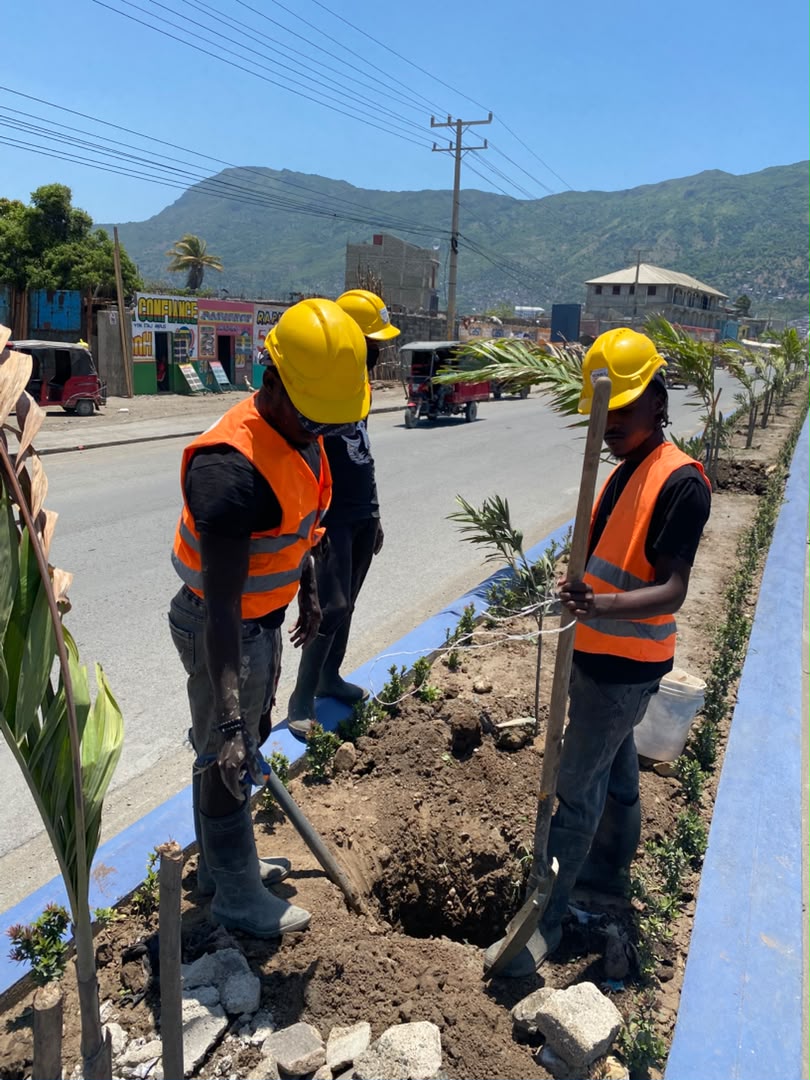
“There are people lifting, digging, planting, cleaning, hauling, watering, painting, planning, coordinating and returning the next day to do it again..” - Blandine Joyeux
Introduction:
There is a version of Haiti that the world has become accustomed to seeing: political instability, poverty, insecurity, corruption, trash-filled streets, deteriorating infrastructure, and people struggling to survive.
Why Haiti’s Diaspora Matters More Than Ever
There is a version of Haiti that the world has become accustomed to seeing: political instability, poverty, insecurity, corruption, trash-filled streets, deteriorating infrastructure, and people struggling to survive.
But that is not the whole Haiti.
There is another Haiti beneath the neglect. It is beautiful. It is creative. It is extraordinarily resilient. It is filled with people who still wake up every morning determined to work, provide for their families, build businesses, educate their children, and somehow create a future in circumstances that would make many people give up.
And that is why Haiti’s diaspora matters more than ever.
Haiti Is Not Poor in Potential
Haitians today are living under enormous economic pressure. Jobs are scarce. Wages often fail to keep pace with the cost of basic necessities. Businesses operate in an environment shaped by insecurity, unreliable infrastructure, political uncertainty, and limited access to capital. Families frequently depend on relatives abroad to help cover food, education, healthcare, housing, and other basic expenses.
The diaspora has consequently become one of Haiti's most important economic lifelines.
But our responsibility cannot end with sending money home.
For generations, Haiti has struggled with political corruption, weak institutions, misuse of public resources, political patronage, and a profound lack of accountability. Whether people live in Haiti or abroad, this history has created something particularly damaging: DISTRUST!
People ask where the money went?
They ask why roads remain broken?
They ask why public spaces deteriorate?
They ask why communities are expected to survive conditions that should have been addressed by functioning institutions?
And members of the diaspora ask another question:
If I contribute, will my money actually accomplish anything?
That distrust may be one of the greatest obstacles Haiti must overcome.
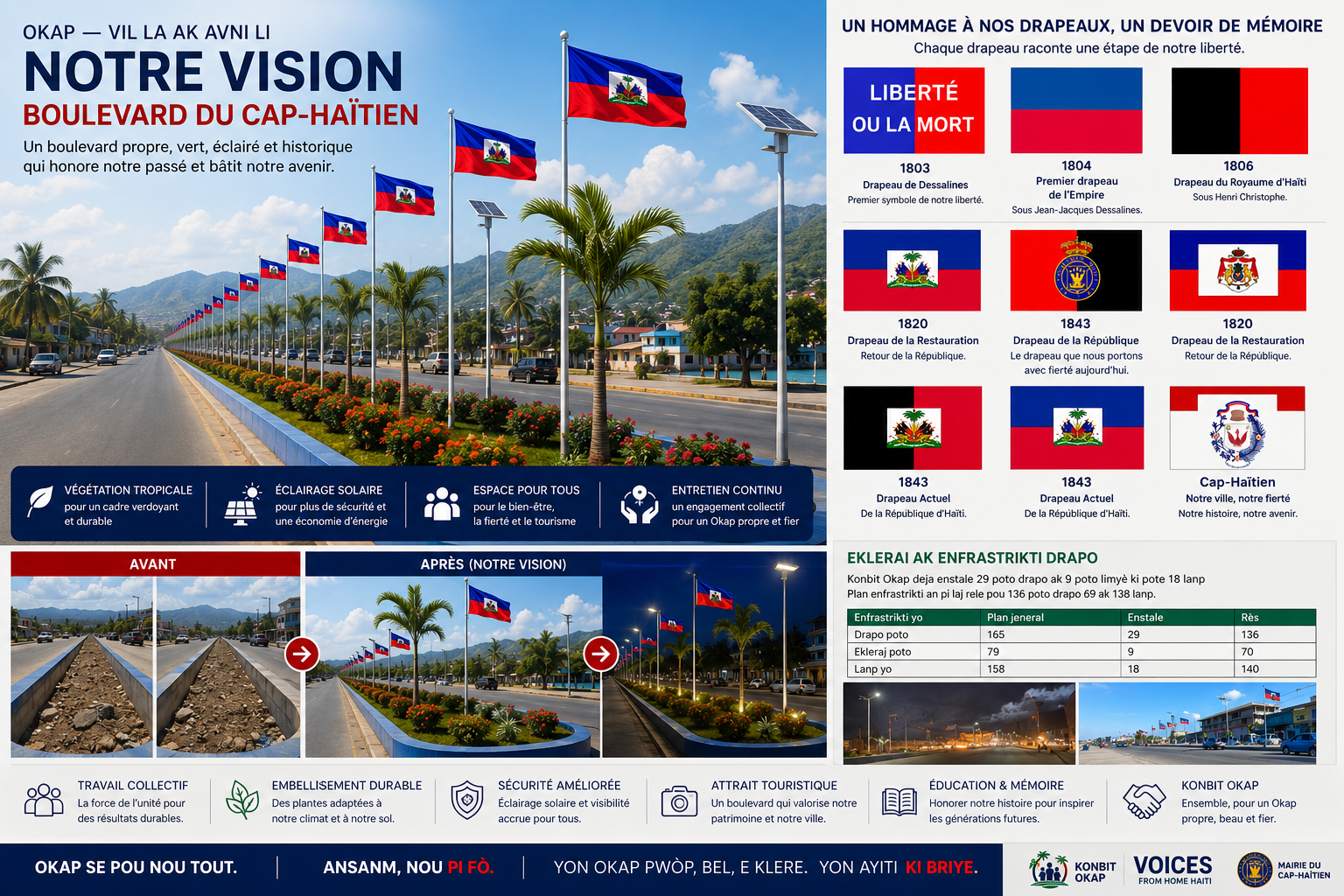
What I Saw on the Okap Boulevard
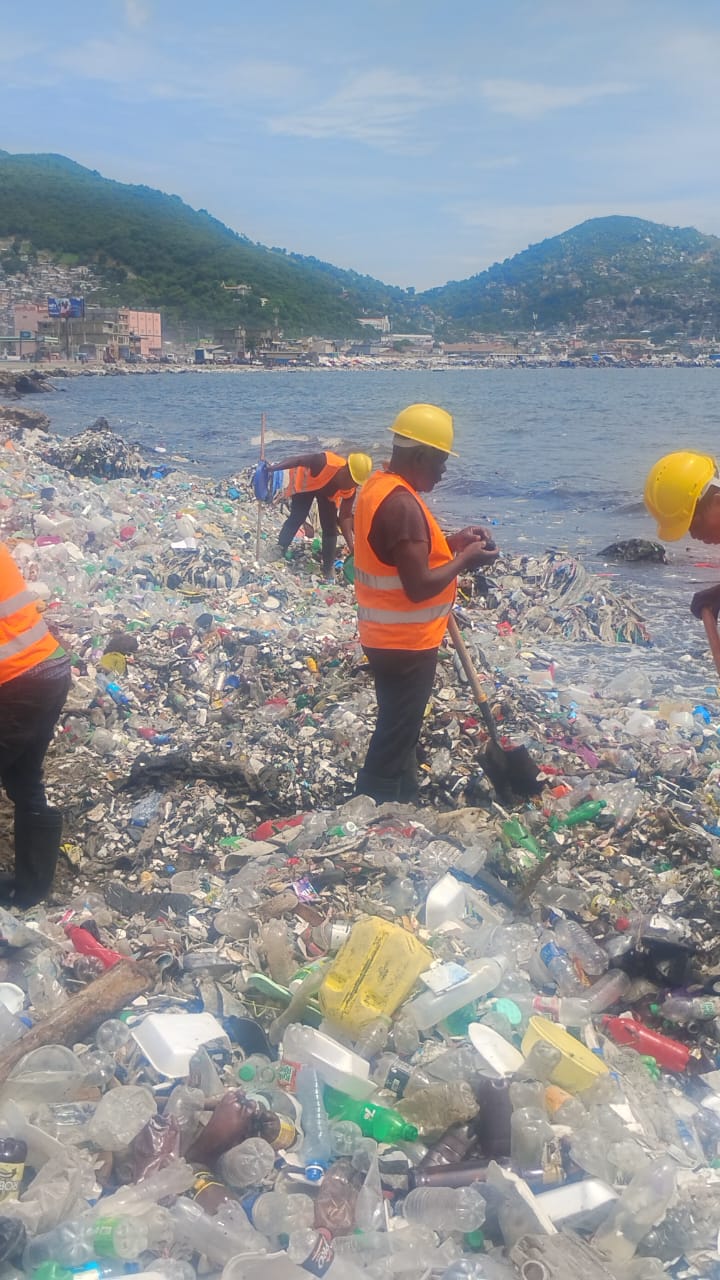
For me, the Okap Boulevard became a physical representation of this problem.
Watching its deterioration was heartbreaking.
This is not simply a median or another stretch of road. The boulevard helps introduce people to Cap-Haïtien. It is part of the first impression visitors receive when entering one of Haiti's most historic and culturally significant cities.
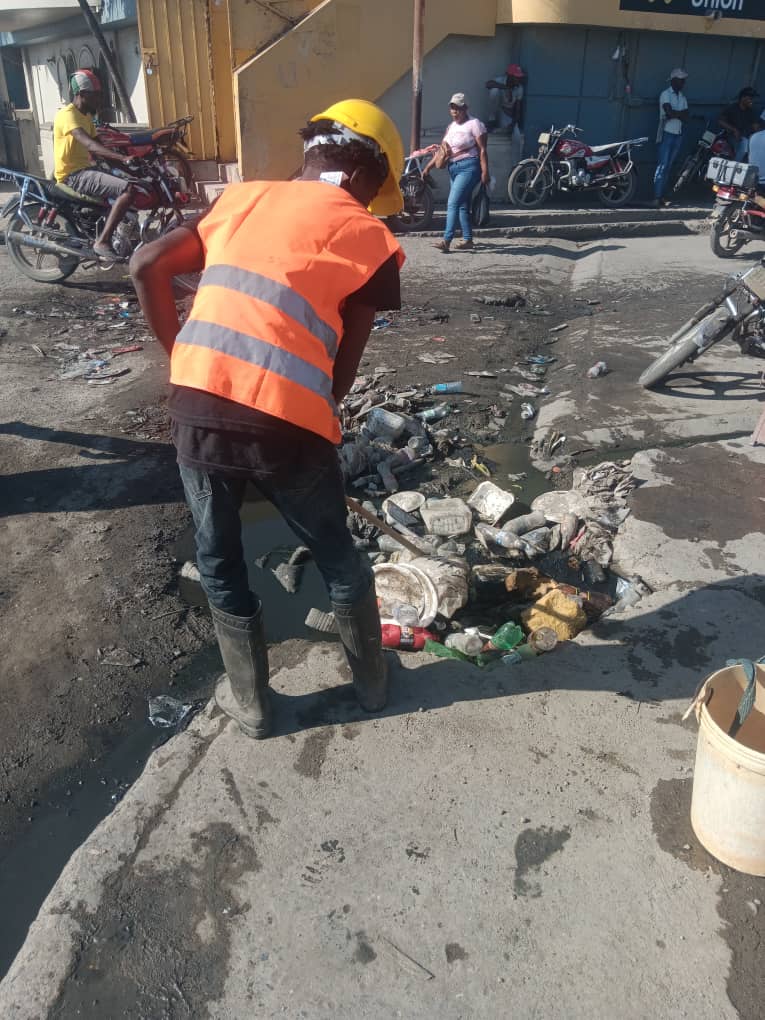
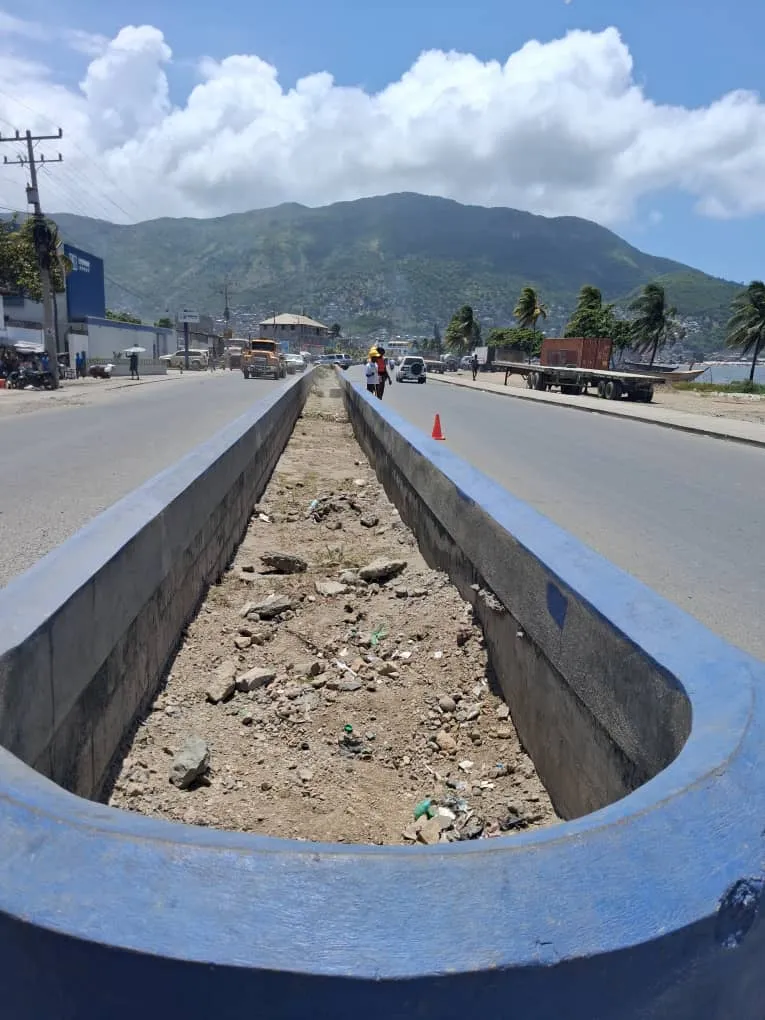
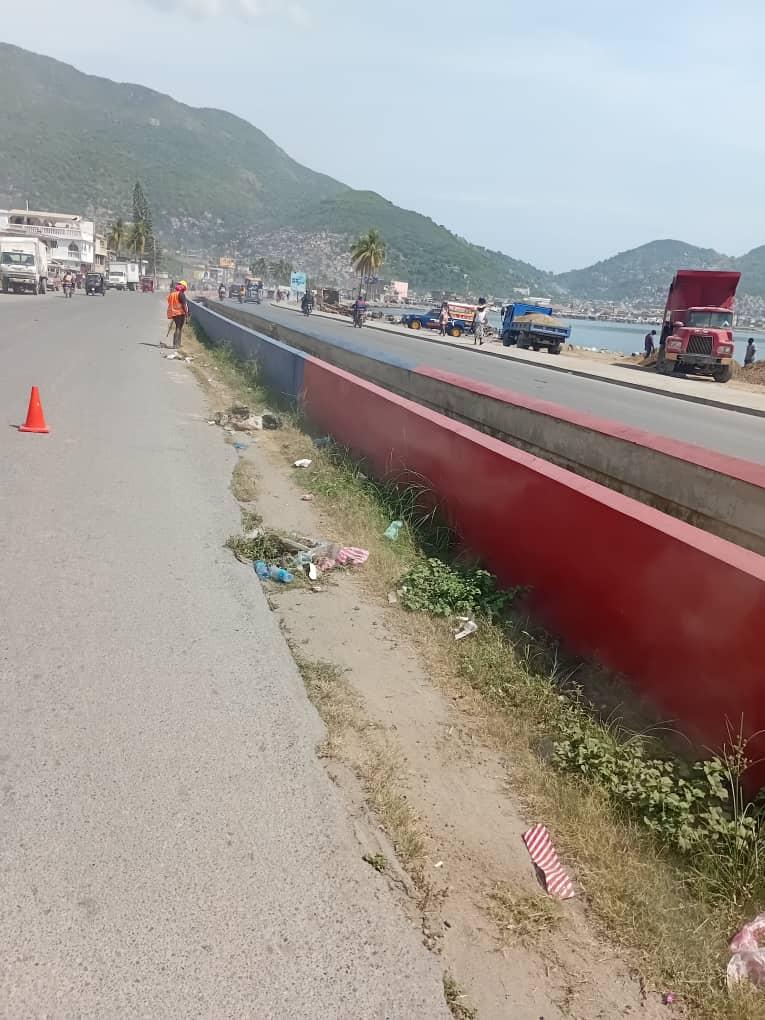
Yet sections of it had been allowed to deteriorate through years of neglect.
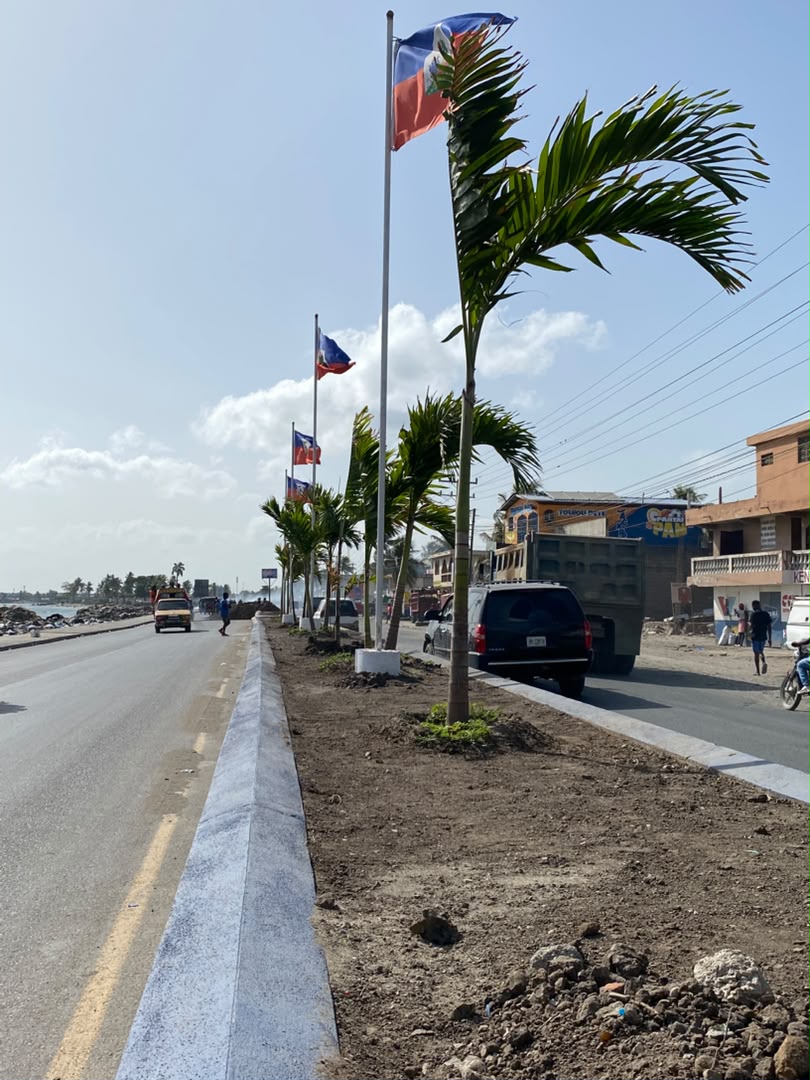
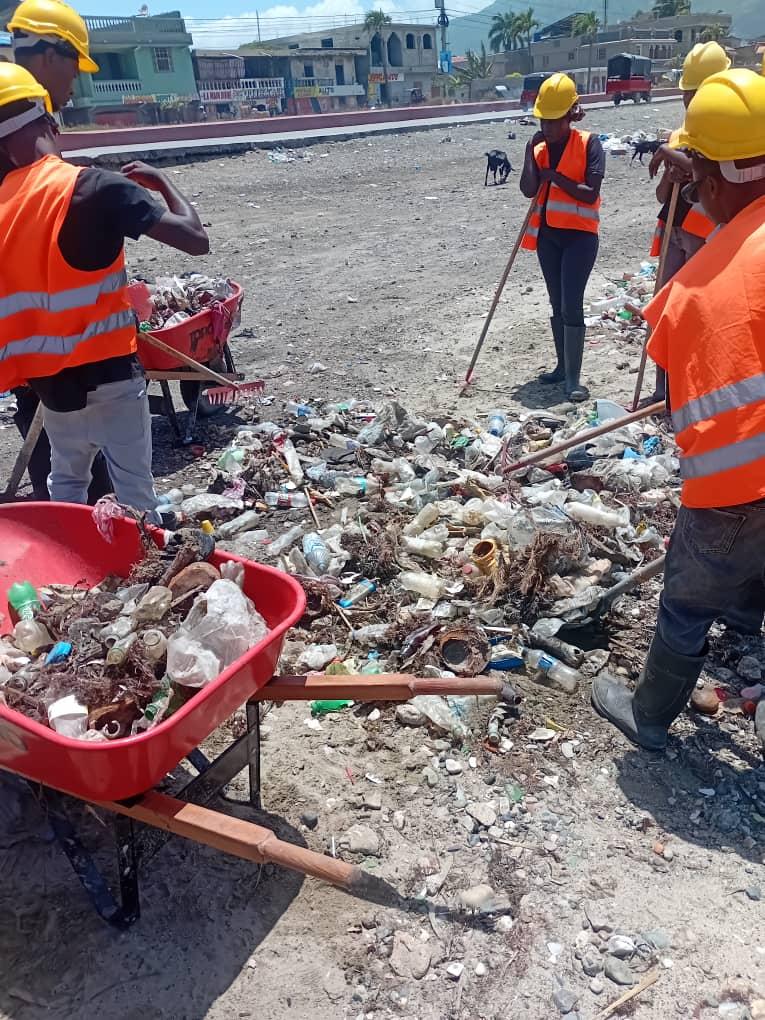
Trash accumulated. Landscaping disappeared. Infrastructure deteriorated. Places that should have communicated pride instead communicated abandonment.
Eventually, we decided that waiting was no longer enough.
How I Found Konbit Okap
This journey did not begin with a formal proposal, a government meeting, or some carefully planned initiative. It began the way so many things seem to begin these days: I was scrolling through TikTok.
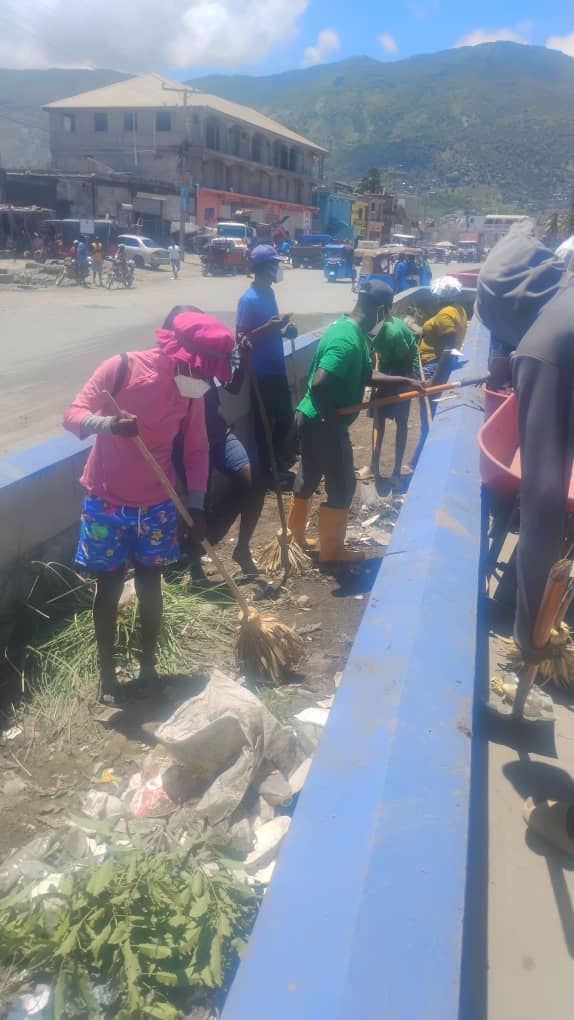
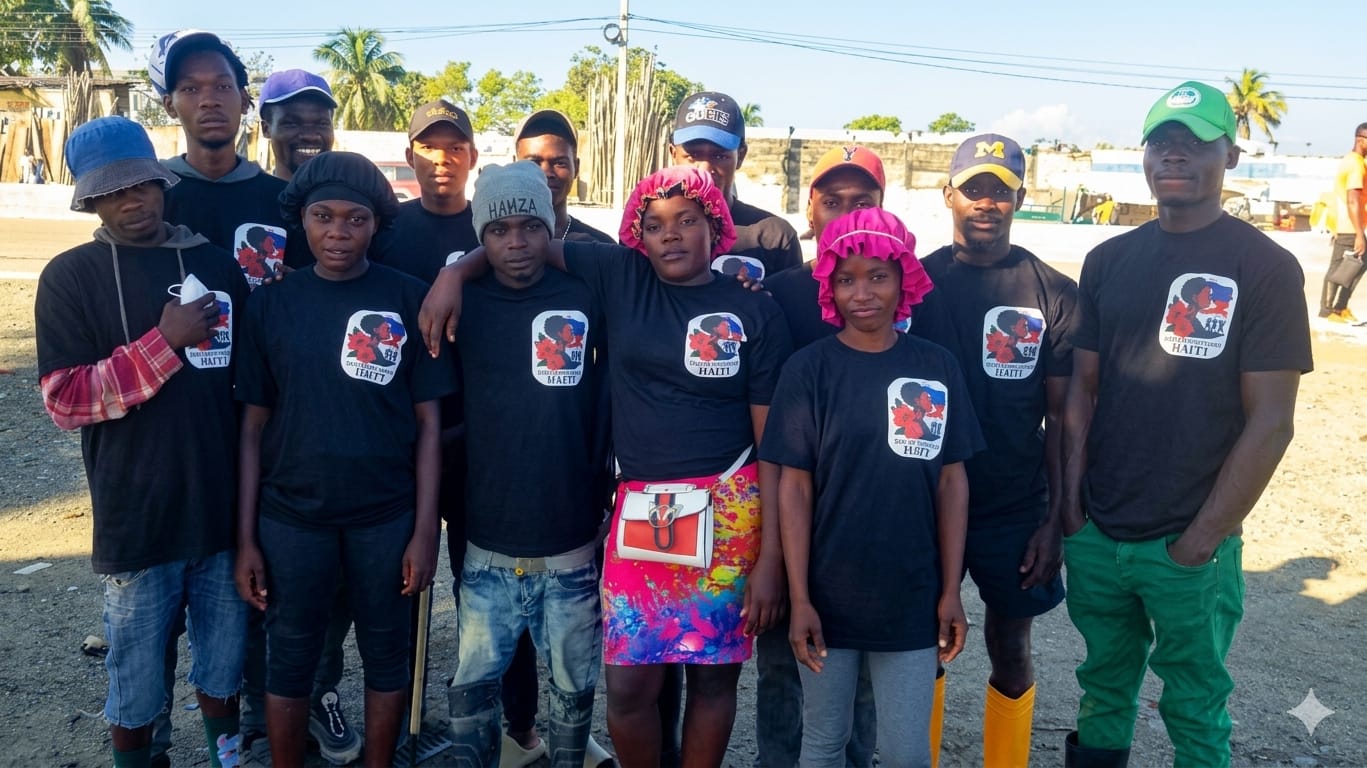
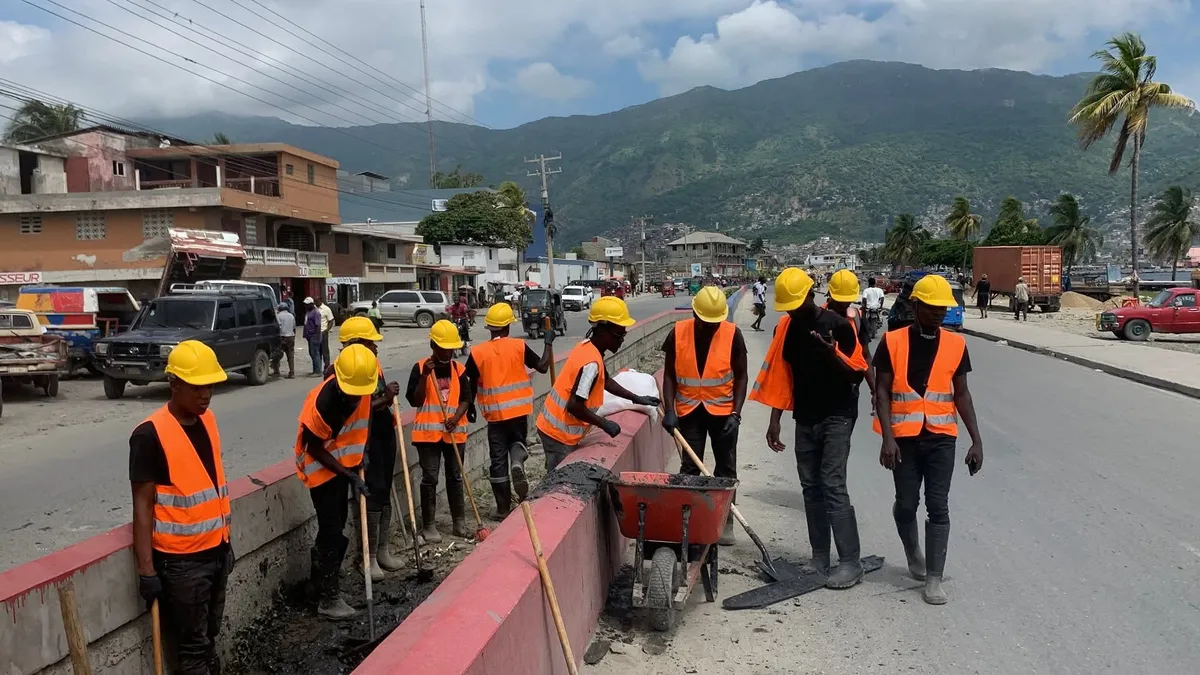
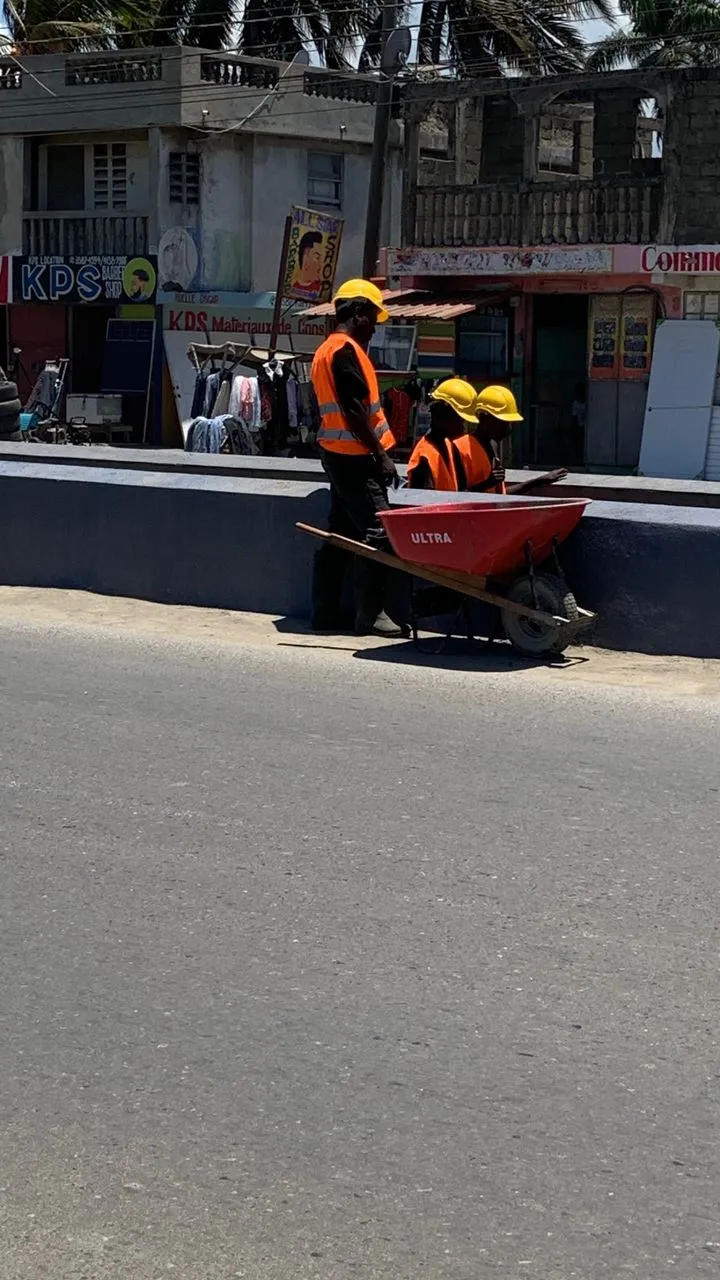
In April, I came across a page called Okap Promo, which was showcasing a group of young people working along the boulevard in Cap-Haïtien. They were cleaning, removing accumulated trash, and trying to restore an area that had clearly suffered from years of neglect. What caught my attention was that they were not simply showing people what was wrong—they were already doing something about it. They were asking for help because they needed materials and resources to keep going.
I brought what I had seen directly to my Voices From Home Haiti community on TikTok and asked them to help. By that point, I had spent a great deal of time immersed in Haitian social media, speaking with Haitians both at home and throughout the diaspora. Journalism will always be at the heart of what I do, but somewhere along the way, I realized that simply documenting what was happening was no longer enough for me. I had also become an activist. This project became an opportunity to see what could happen if the same digital community we had built around conversation, information, and Haiti could be mobilized around tangible action.
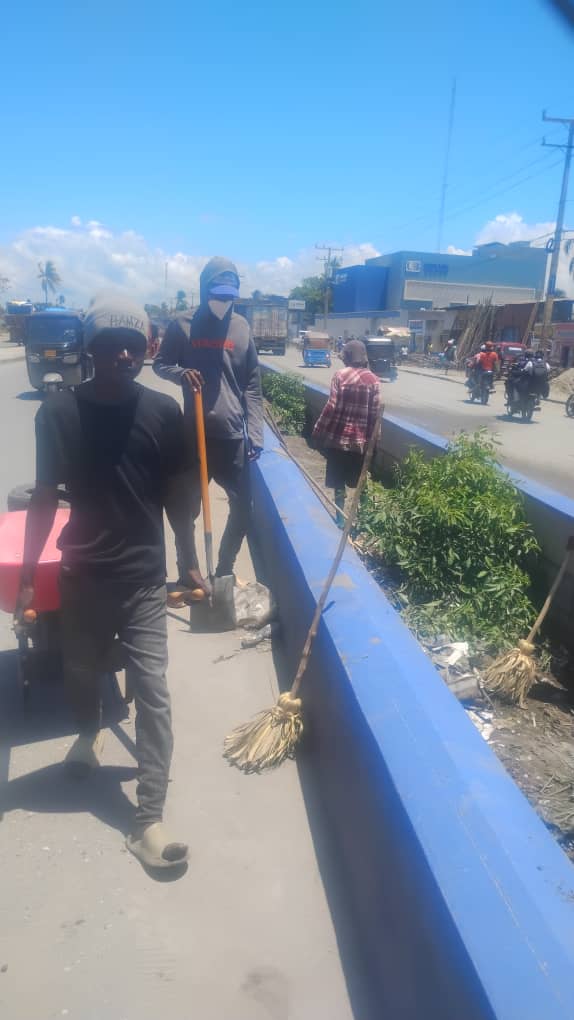
Once I saw how strongly my community responded, I knew the Konbit Okap team needed more than a moment of attention—they needed an organization willing to stand behind the work. That is when I reached out to MACHE, and the reason I felt comfortable bringing this project there was Nerlange Louis.
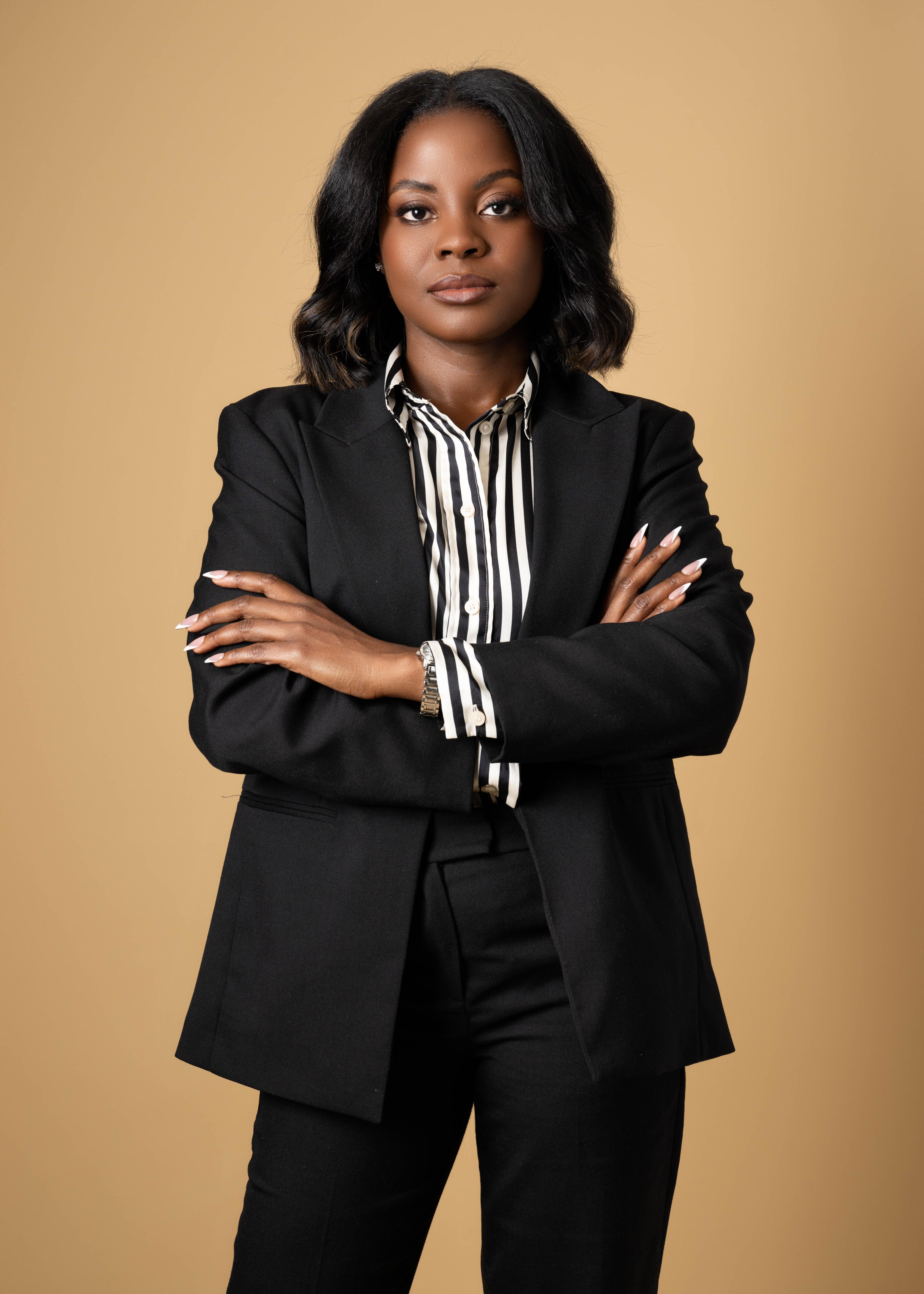
I had interviewed Nerlange twice before, and through those conversations I had developed a genuine understanding of the kind of person and leader she was. I had seen her passion for Haiti, the seriousness with which she approached community work, and her willingness to listen. I trusted that this was the kind of project she would understand. More importantly, I believed that she and I could be a dynamic team: her leadership and organizational experience paired with my media platform, fundraising ability, diaspora reach, and the incredibly engaged Voices From Home Haiti community. I knew that if I was going to bring this project somewhere, I wanted to bring it to someone who would see what I saw in these young people.
At the time, MACHE was still relatively unknown to the broader Haitian social-media audience. Under Nerlange's operational leadership, the organization became a vehicle through which we could give the project more structure and launch a fundraiser to support the work. I subsequently joined MACHE as Director of Strategic Partnerships and Media Relations and began using Voices From Home Haiti to amplify the campaign.
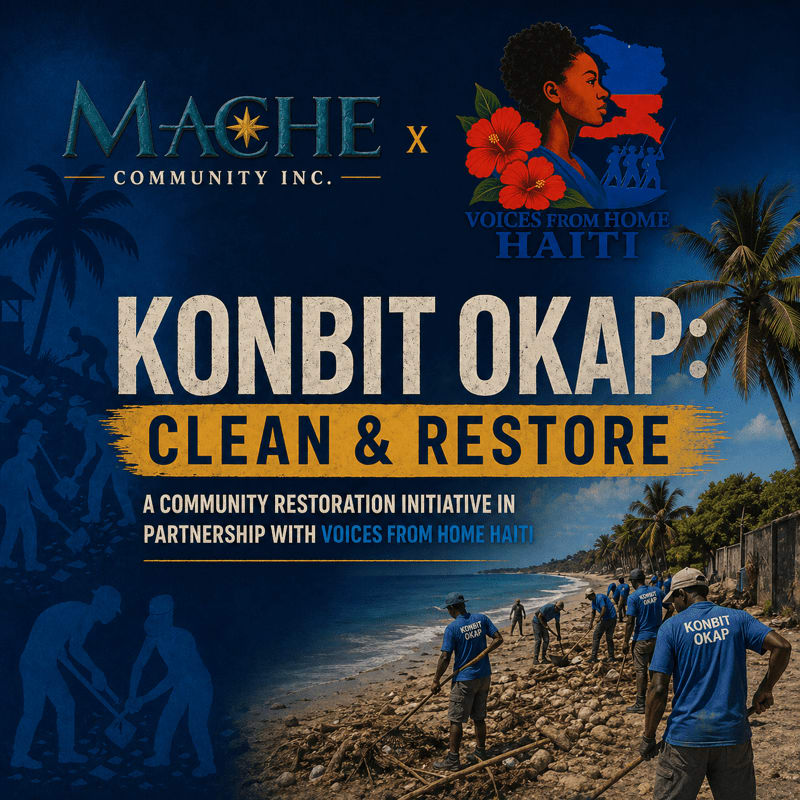
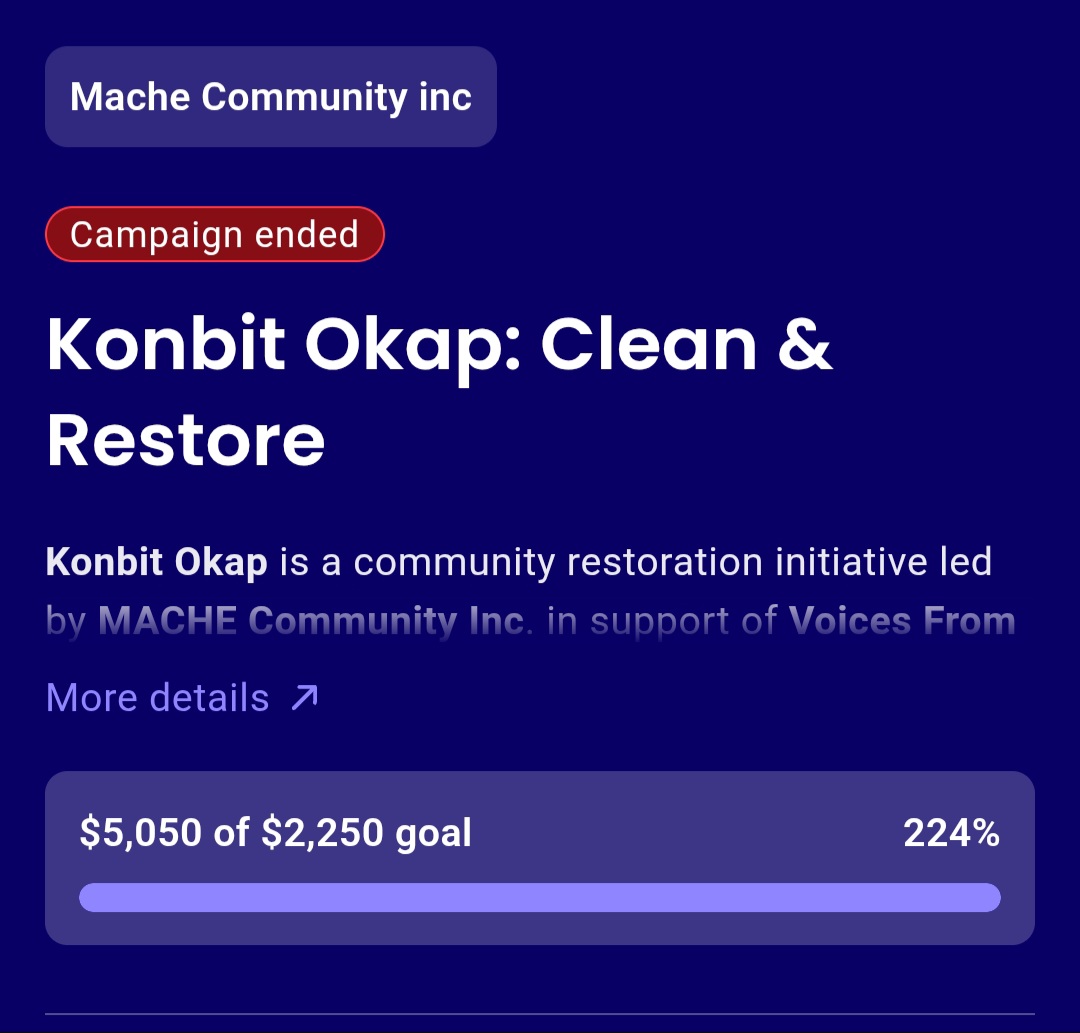
TikTok Live became one of our most powerful tools. Night after night, I showed my audience what was happening on the ground, explained what the team needed, shared their progress, answered questions and asked the diaspora to participate. My community became deeply invested. They were not simply donating to an organization they knew nothing about; they were following the people, the work and the transformation in real time. I, with the support of the Voices From Home Haiti community that i have built over the past year, successfully completed 4 fundraisers that either met or surpassed goal!
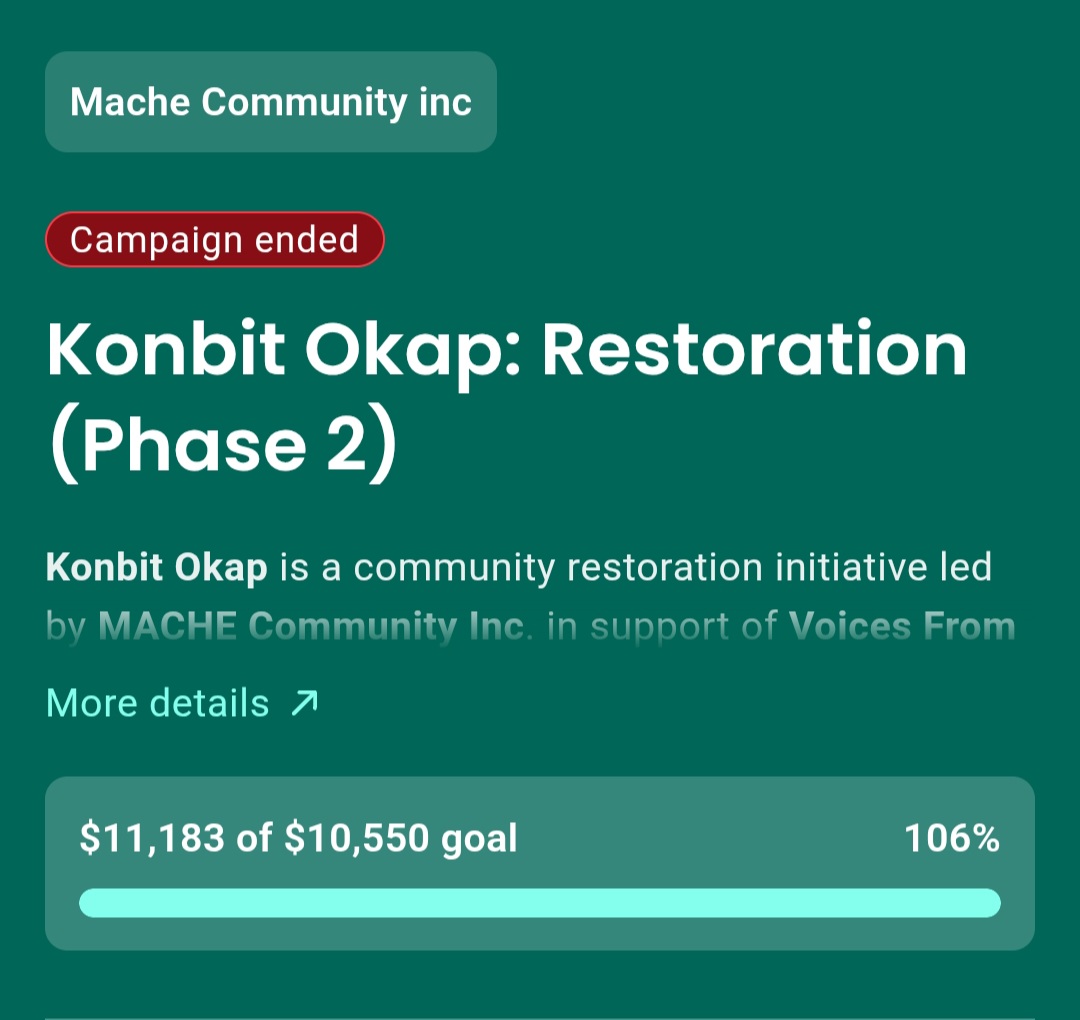
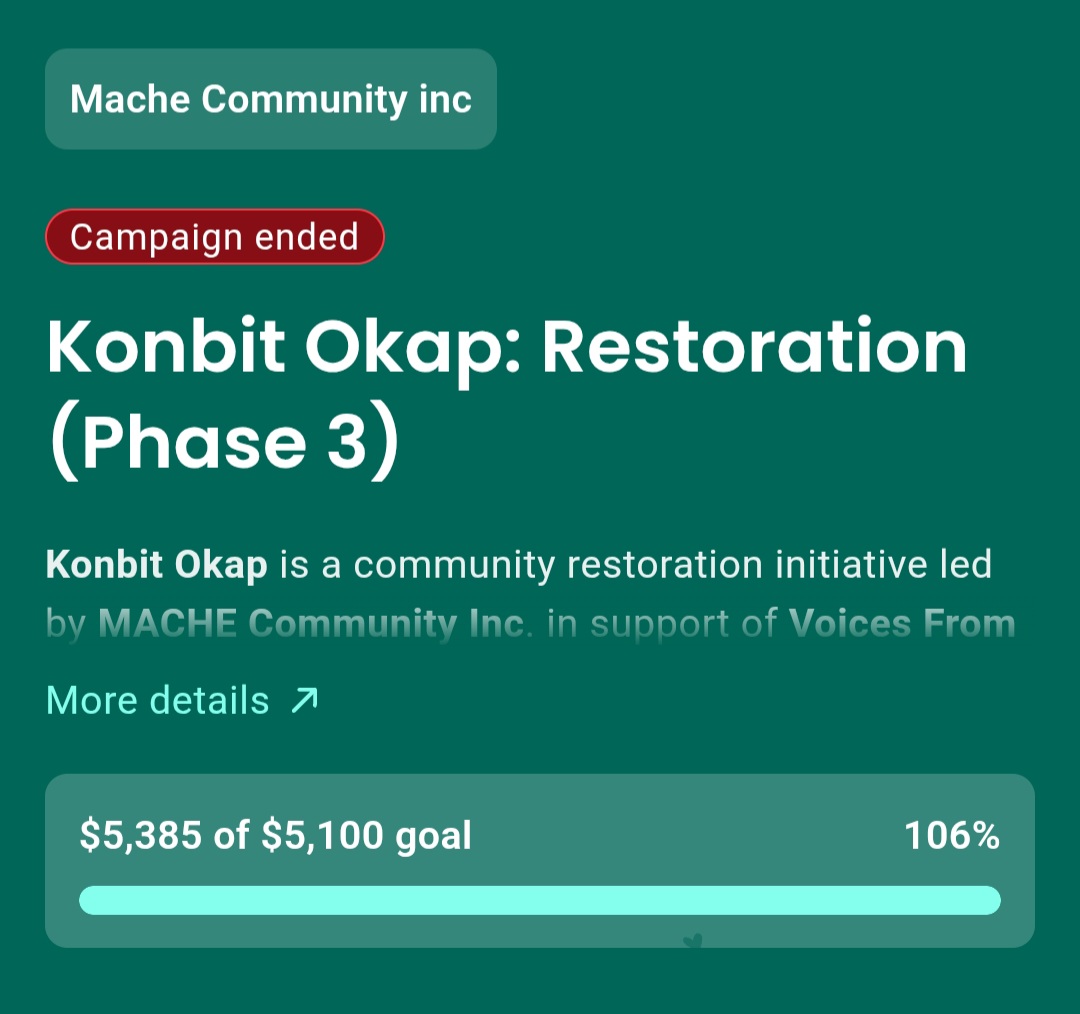
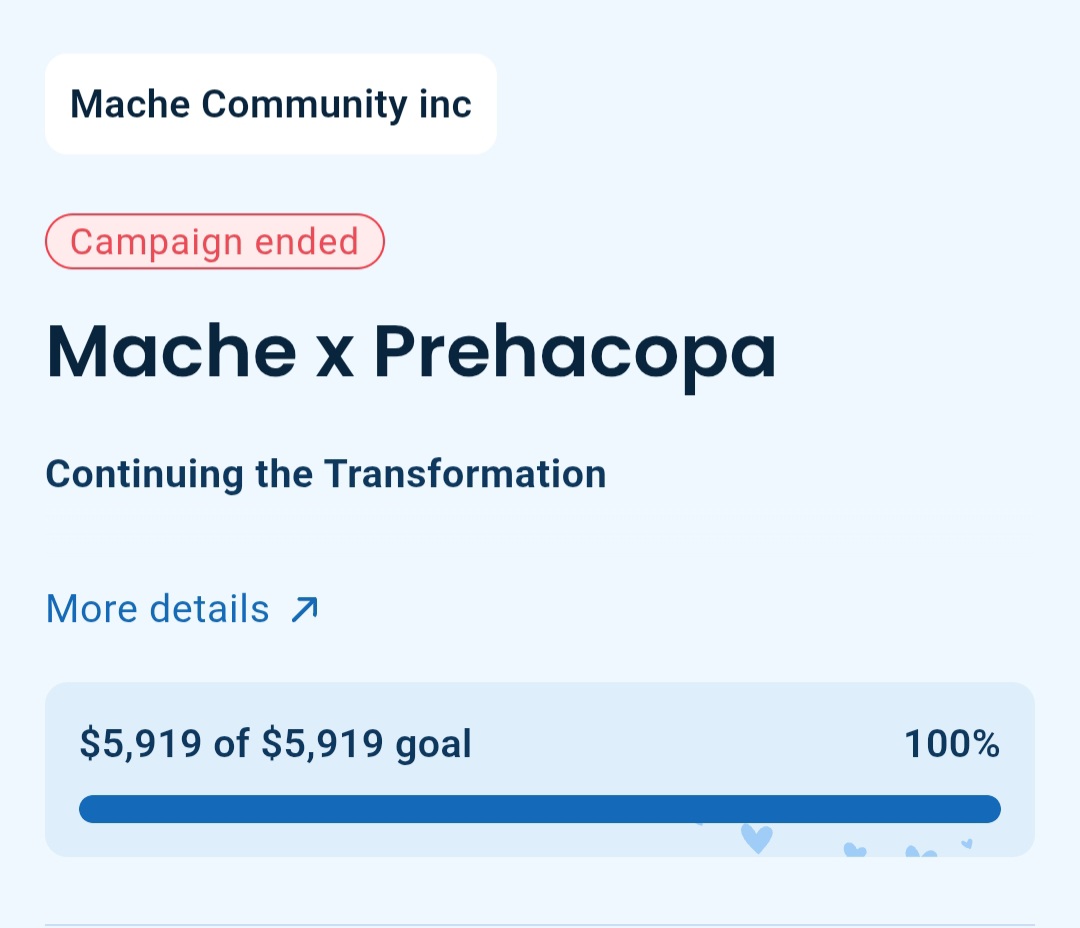
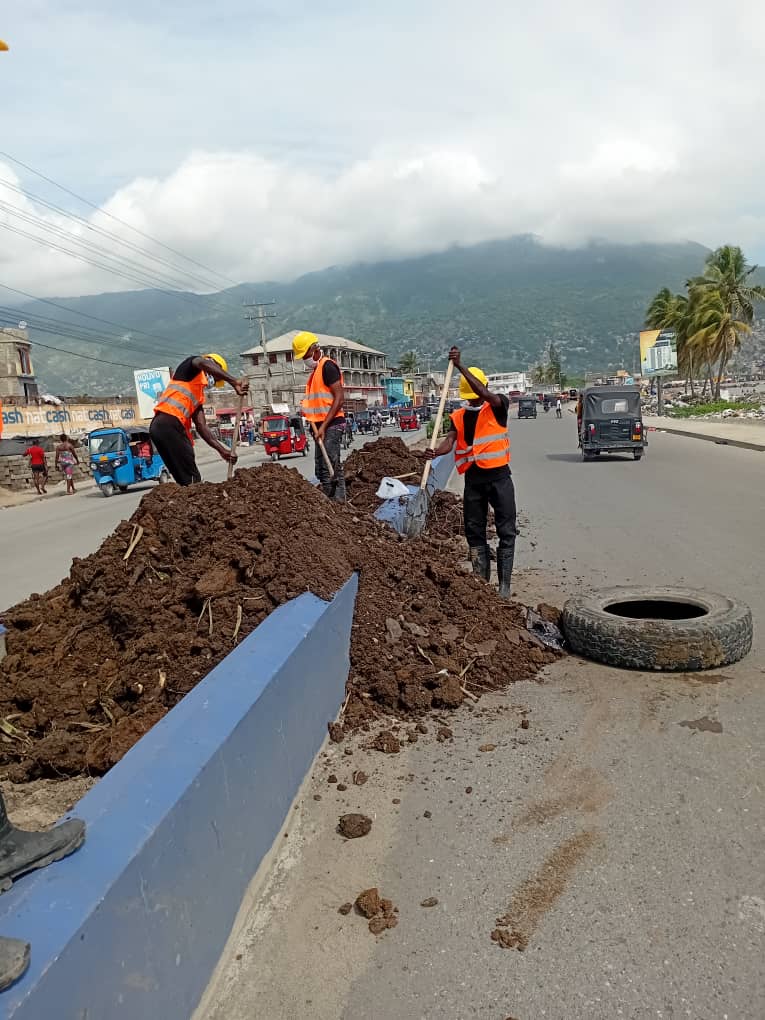
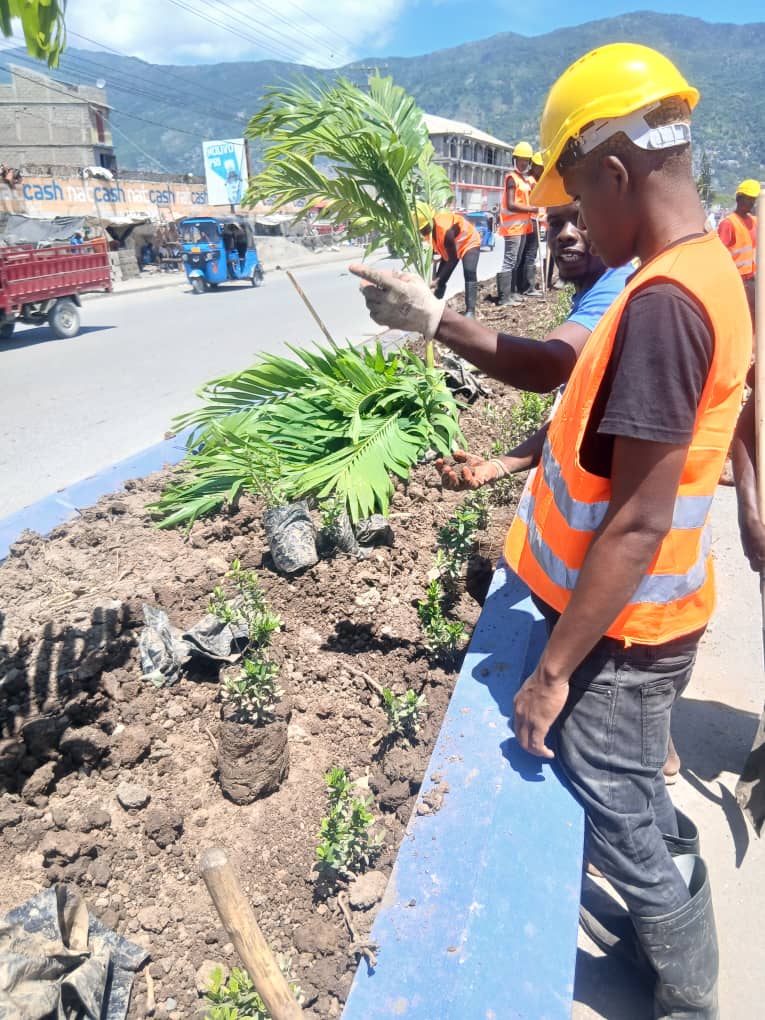
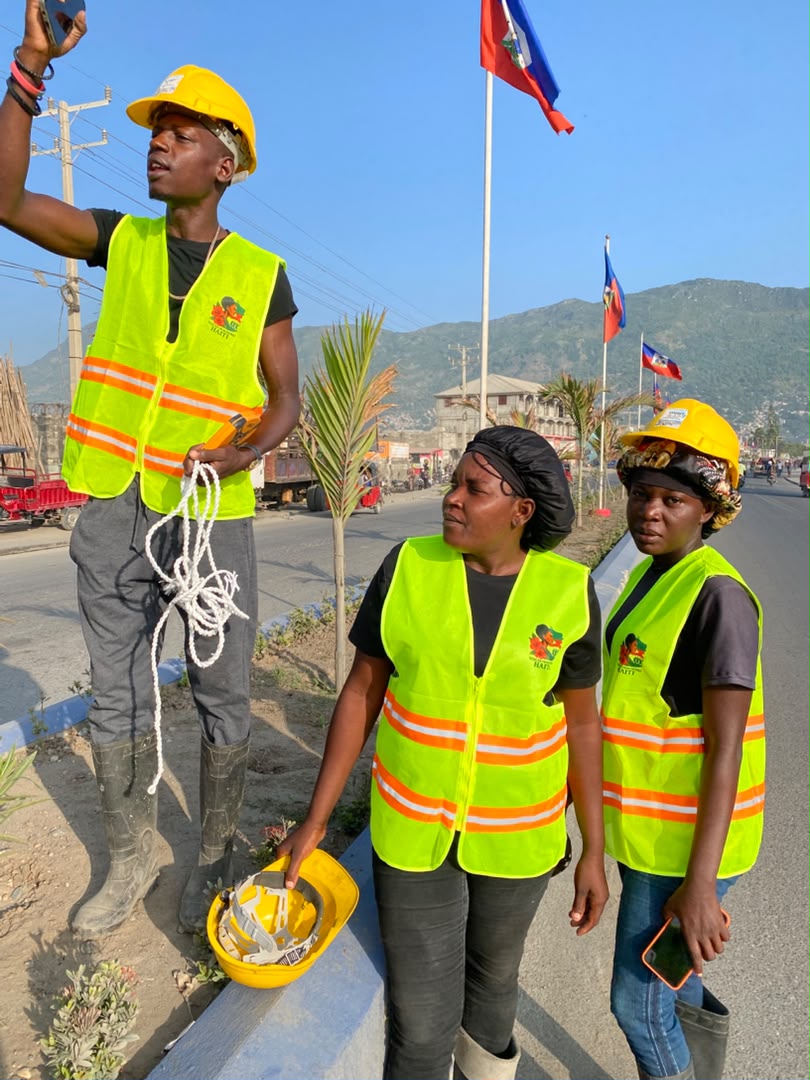
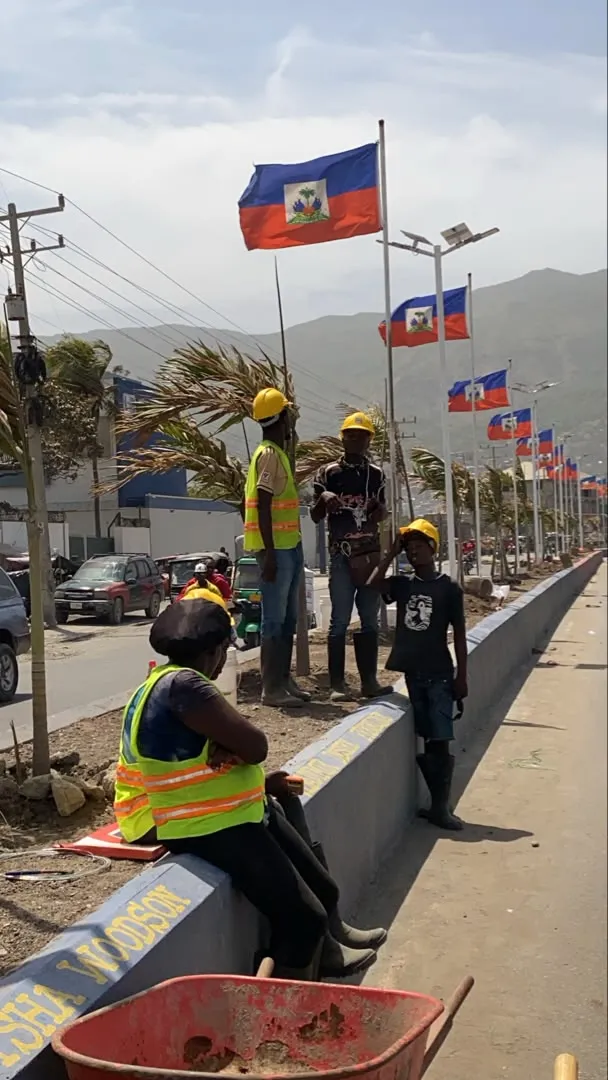
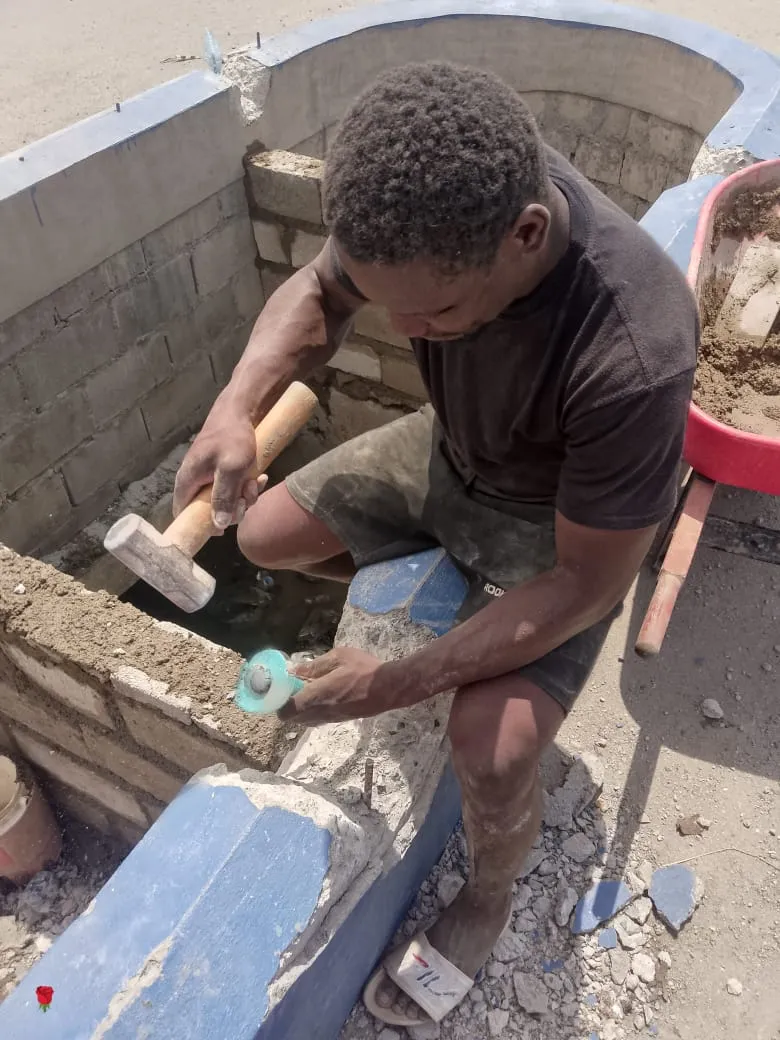
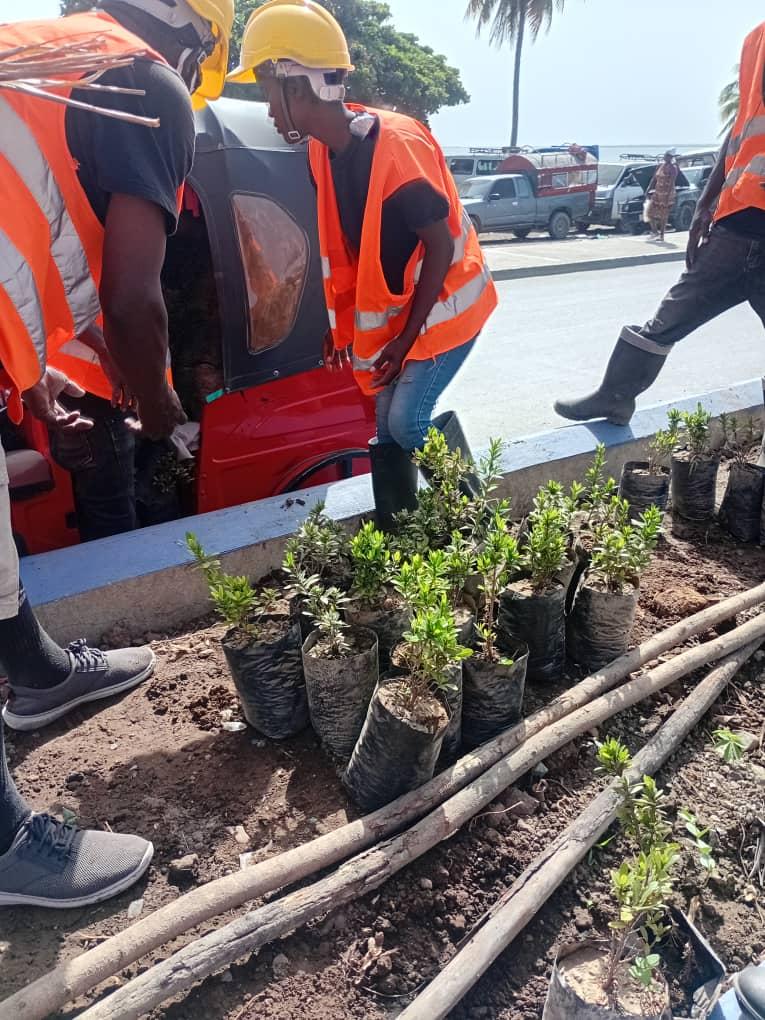
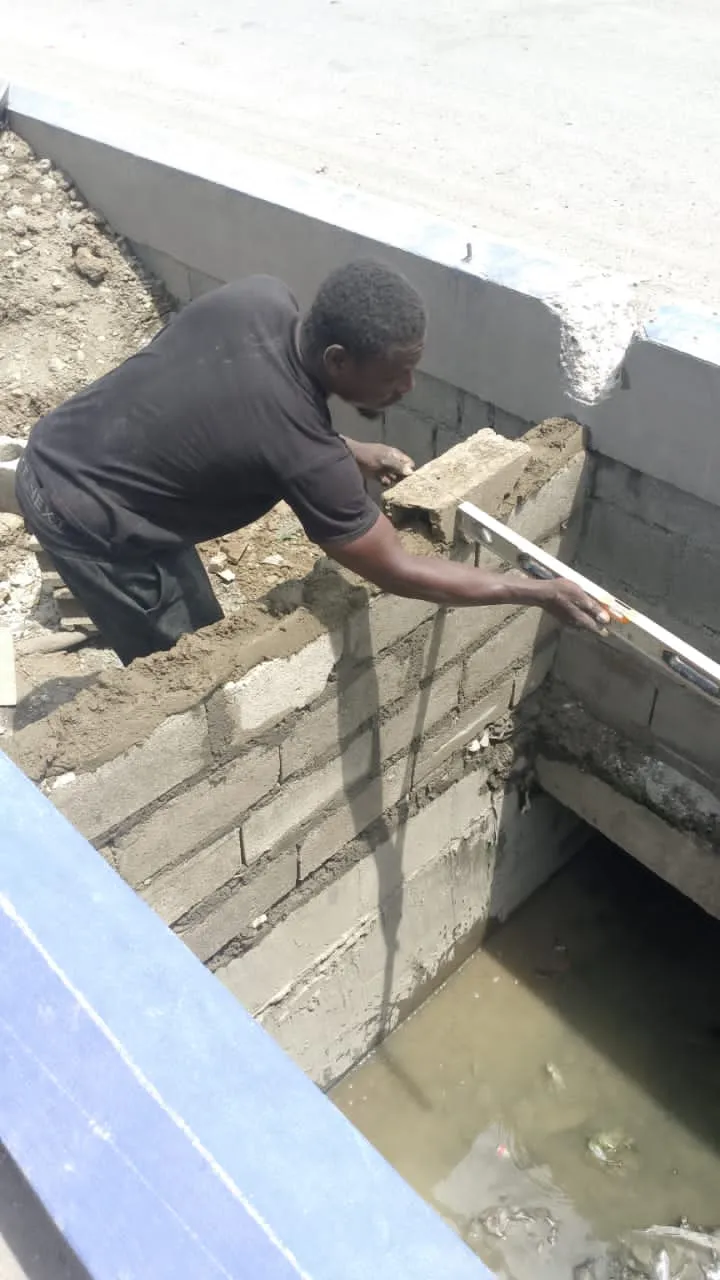
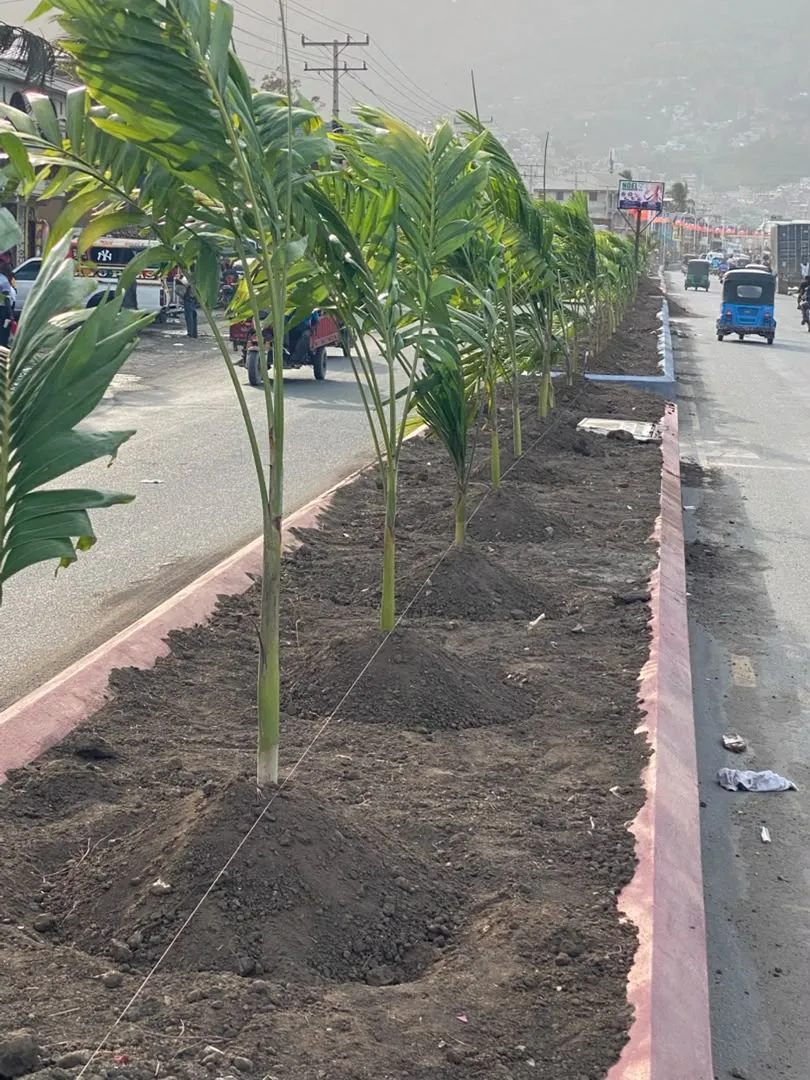
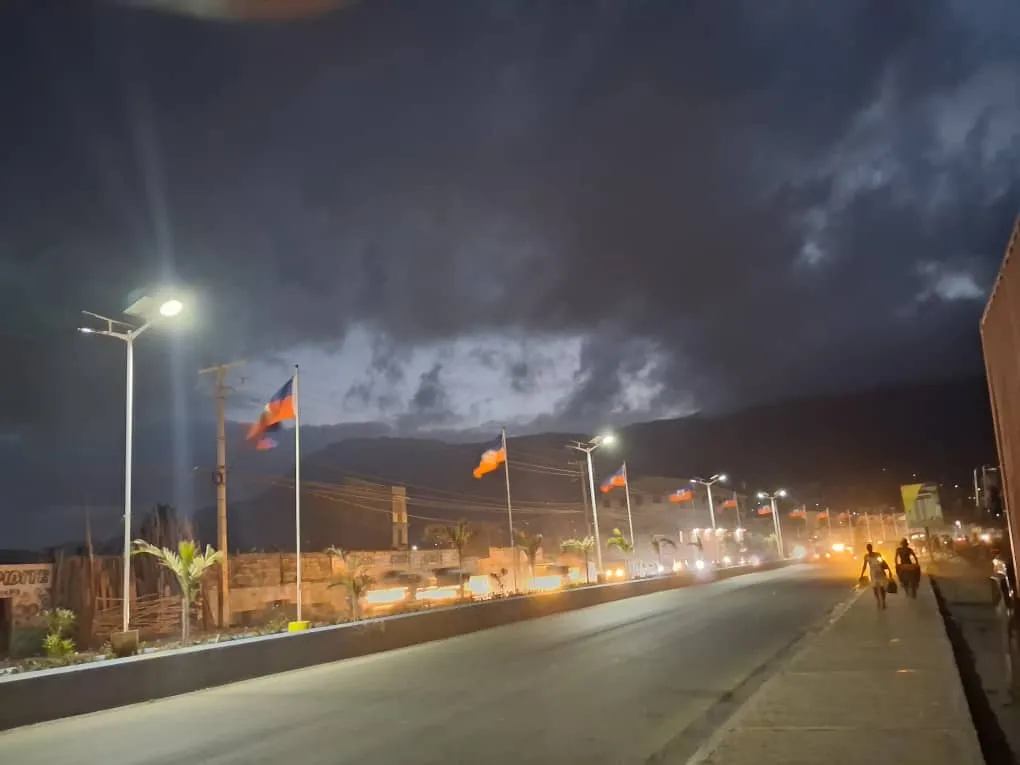
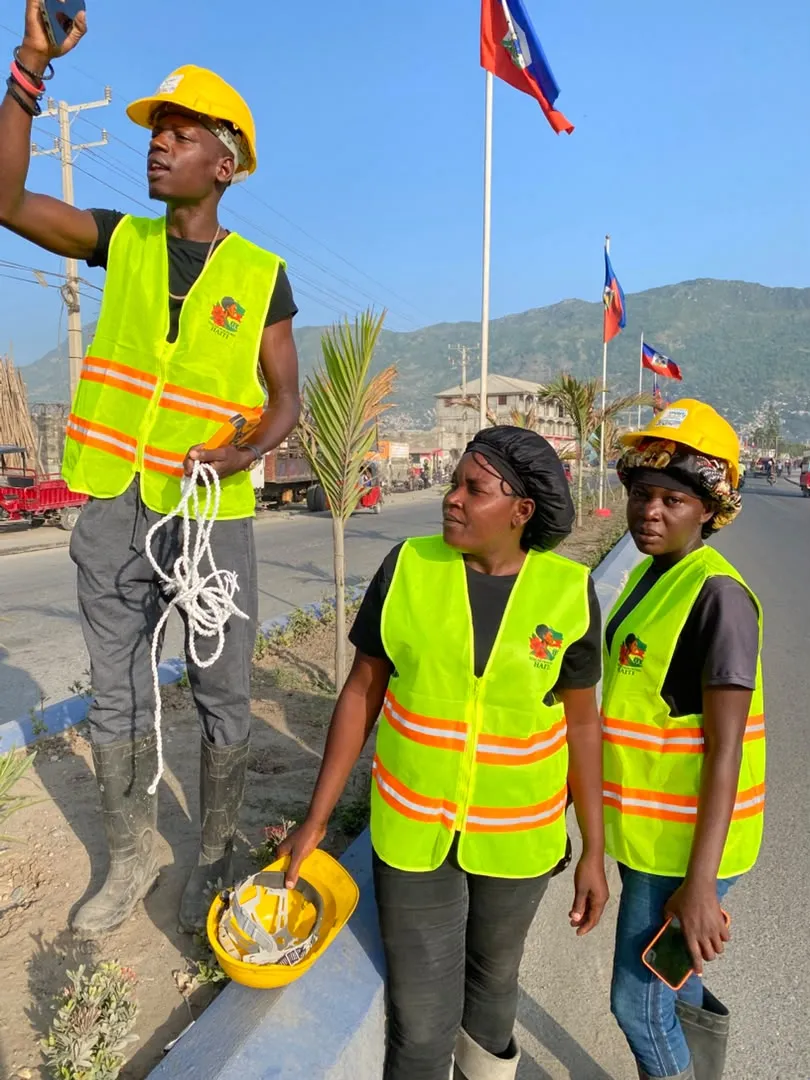
Through that support, what began as a cleanup effort grew into something much larger. We were able to help bring in soil, restore medians, plant flowers, trees and palm trees, and support work involving flagpoles, lighting, beautification and continued cleanup along the boulevard. Behind every beautiful photograph were people lifting, digging, planting, hauling, watering, painting and cleaning. There were workers who needed salaries, materials that had to be purchased, transportation that had to be coordinated, and countless phone calls, messages, fundraising Lives and logistical challenges required to keep everything moving.
For me, one of the most powerful parts of the experience was watching the distance between Haiti and its diaspora suddenly become smaller. Someone thousands of miles away could contribute during a TikTok Live, and that contribution could become soil, flowers, equipment or wages for someone working on the boulevard in Okap. Then, sometimes within days, that same donor could return to social media and see what their contribution helped create.
That visibility created something Haiti desperately needs: trust. People saw the problem. They met the people doing the work. They contributed to the solution. And then they saw the results.
And then something happened that none of us could have manufactured.
The project took social media by storm.
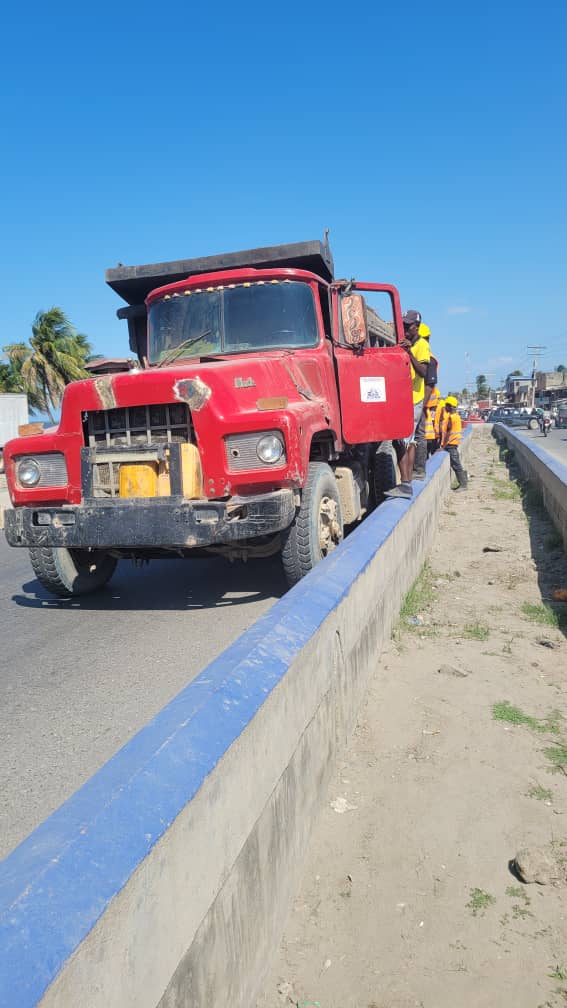
Then Something Unexpected Happened
People started watching.
The videos began spreading consistently across social media.
People shared them. They commented. They donated. They debated. Most importantly, they became inspired.
They saw Haitians transforming Haiti.
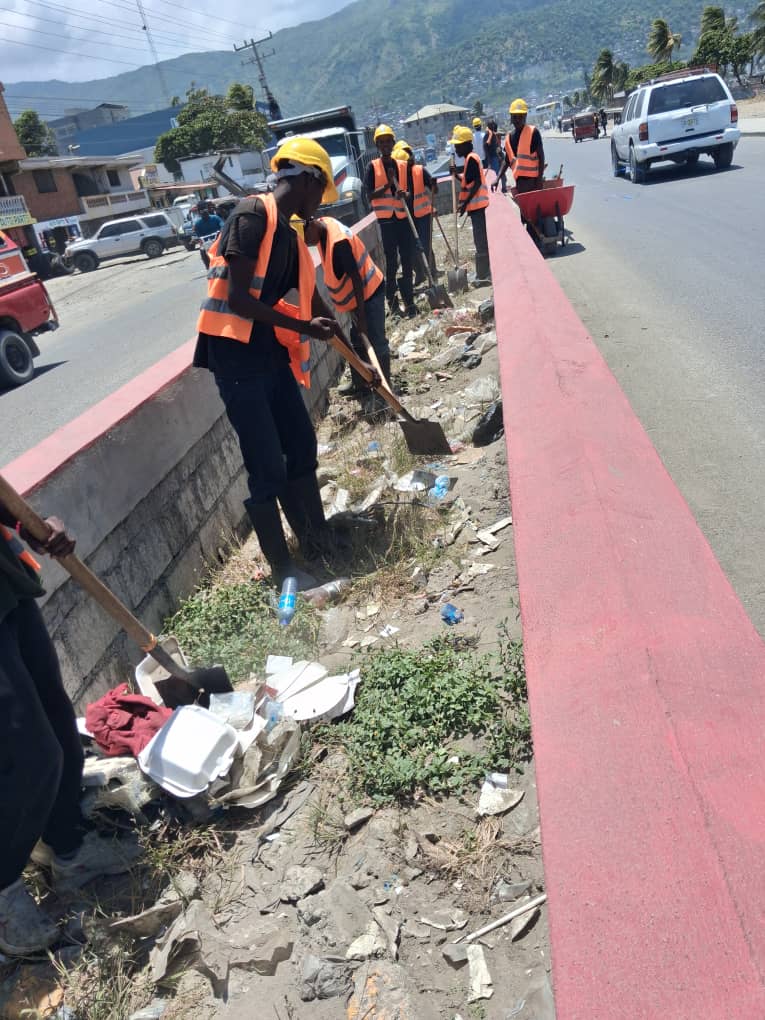
Ordinary Haitians, local workers and members of the diaspora working together to restore something that belonged to all of us.
That distinction matters.
Because every transformation of the boulevard communicates a simple message:
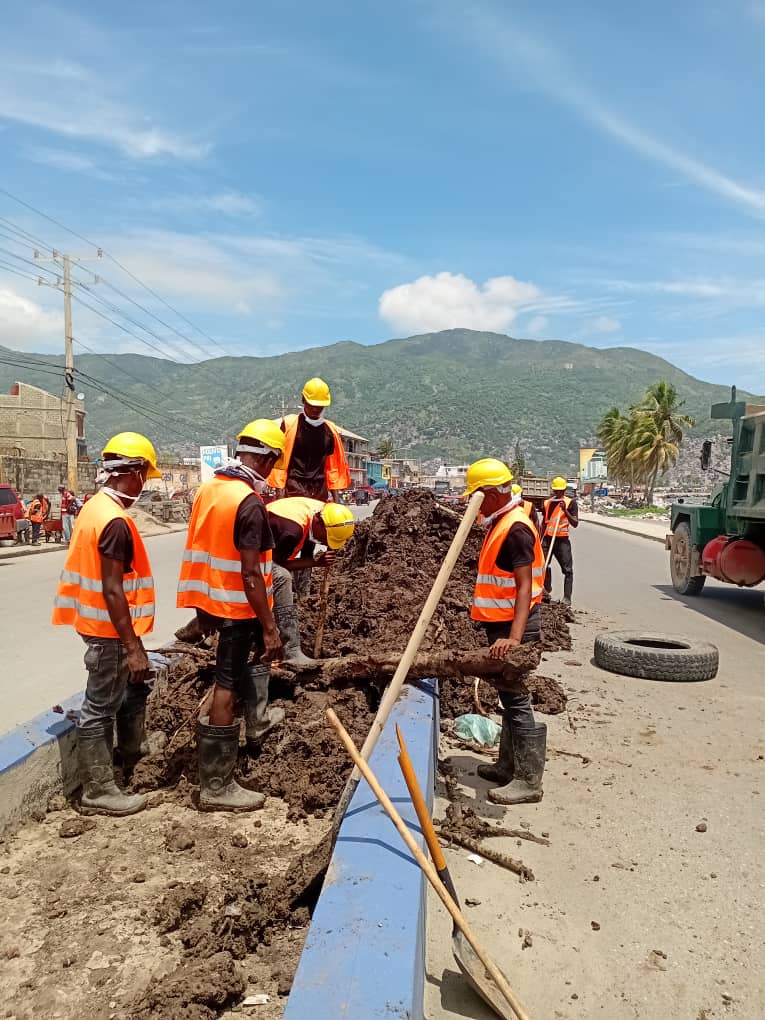
We do not have to accept neglect as permanent.
When people see a place they have passed every day suddenly becoming beautiful, something psychological happens.
They begin imagining what else could change.
If we can transform this median, why not the next one?
If we can restore this boulevard, why not another street?
If twenty people can organize around one project, what could two hundred accomplish?
What could two thousand accomplish?
What could millions of Haitians inside and outside the country accomplish if we rebuilt trust between us?
The Greatest Crisis Is Distrust
For decades, corruption, political patronage, poor governance and the misuse of public resources have damaged Haitians' confidence in institutions. The consequences go far beyond missing money—corruption destroys trust. The diaspora becomes hesitant to invest, business owners become reluctant to expand, citizens stop expecting government services, and young people begin to believe that leaving Haiti is their only path forward. Eventually, neglect becomes normalized, and that may be one of the most dangerous things that can happen to a country.
Through this work, I have also learned to look differently at the way people sometimes describe Haitians as difficult, dishonest, aggressive or untrusting. We rarely stop to consider what years of instability, exploitation, broken promises and neglect can do to people. Neglect creates resentment. Trickery creates suspicion. When disappointment becomes routine, skepticism can become a form of survival. That does not excuse wrongdoing, but it does help us understand the environment that can produce it.
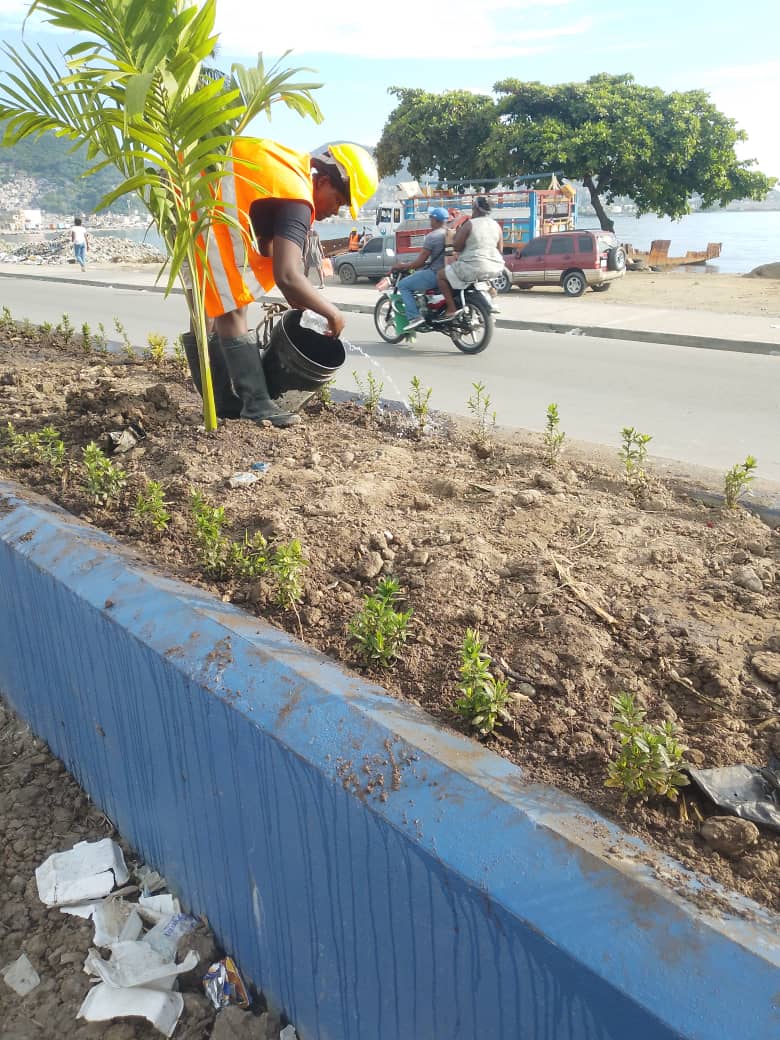
I have also witnessed the opposite. When people realize that you genuinely want to work with them, rather than control them or position yourself above them, something changes. When they are heard, included in decisions, treated with dignity and able to see where resources are going, they become invested in the outcome. They take pride in the work and become protective of what they are building. Most importantly, they begin to believe again.
This Is Where the Diaspora Comes In
The Haitian diaspora possesses enormous resources—not simply money.
We have engineers, developers, doctors, teachers, architects, journalists, entrepreneurs, artists, investors, tradespeople, technology professionals and organizers. We have generations of knowledge, resources, professional networks and experience spread across the world. Imagine what becomes possible when we intentionally reconnect all of that talent with the people already doing the work on the ground in Haiti.
And millions of people who still carry Haiti somewhere inside them, regardless of where they were born or where they currently live.
Imagine what happens when those resources are connected directly with credible people and community organizations on the ground.
The future of diaspora involvement should not simply be charity.
It should be partnership.
It should mean funding projects where expenses can be documented.
It should mean investing in Haitian businesses.
It should mean transferring knowledge and technology.
It should mean creating employment.
It should mean supporting infrastructure.
It should mean giving communities the tools to determine what they need and then helping them accomplish it.
And above all, it should mean accountability.
Diaspora participation cannot become another system where a handful of people control resources while everyone else waits for decisions.
We cannot reproduce the very structures we criticize.
Do Not Give Up on Haiti
There are legitimate reasons to be angry, to distrust institutions, and to question where money goes and who ultimately benefits. But our anger at politicians cannot become an abandonment of the country. The boulevard does not belong to a politician. Cap-Haïtien does not belong to a mayor, and Haiti does not belong to a government. It belongs to its people. Governments change, administrations end, and political movements come and go, but the land remains, the communities remain, the children remain, and so does our responsibility to leave them something better.
We Are Building Proof
That is what the restoration of the Okap Boulevard represents to me. It is not merely about flowers; it is proof. Proof that people will work when they believe in what they are building, that the diaspora will contribute when they can see tangible results, and that social media can do more than document Haiti’s problems—it can mobilize people around solutions. It is proof that Haitians at home and abroad can still work together and, perhaps most importantly, that beauty can return to places we have been conditioned to believe are beyond repair.
Every flower planted, every tree added, and every median restored may seem small compared with the enormous challenges facing Haiti. But movements rarely begin with governments. They begin when ordinary people look at something everyone else has learned to accept and decide:
No. It does not have to stay this way.
That is why Haiti's diaspora matters more than ever.
Not because we are coming to save Haiti.
Haiti does not need another group of people trying to save it.
We need to stand beside the people who are already trying to rebuild it.
And if enough of us do that—one boulevard, one neighborhood, one business, one school, one community at a time—we may discover that Haiti was never beyond repair.
It was waiting for enough of us to believe it was worth rebuilding.
Ayiti se pou nou tout.
FOLLOW US


COMPANY
LEGAL
Copyright 2026. Voices From Home. All Rights Reserved.