

Become part of the voices from home community
for powerful haitian insights and stories!


Cap-Haïtien’s Street Merchants Speak About Development, Sanitation, and Their Right to Earn a Living
New Roads, but Where Will the Vendors Sell? Cap-Haïtien’s Street Merchants Speak About Development, Sanitation, and Their Right to Earn a Living
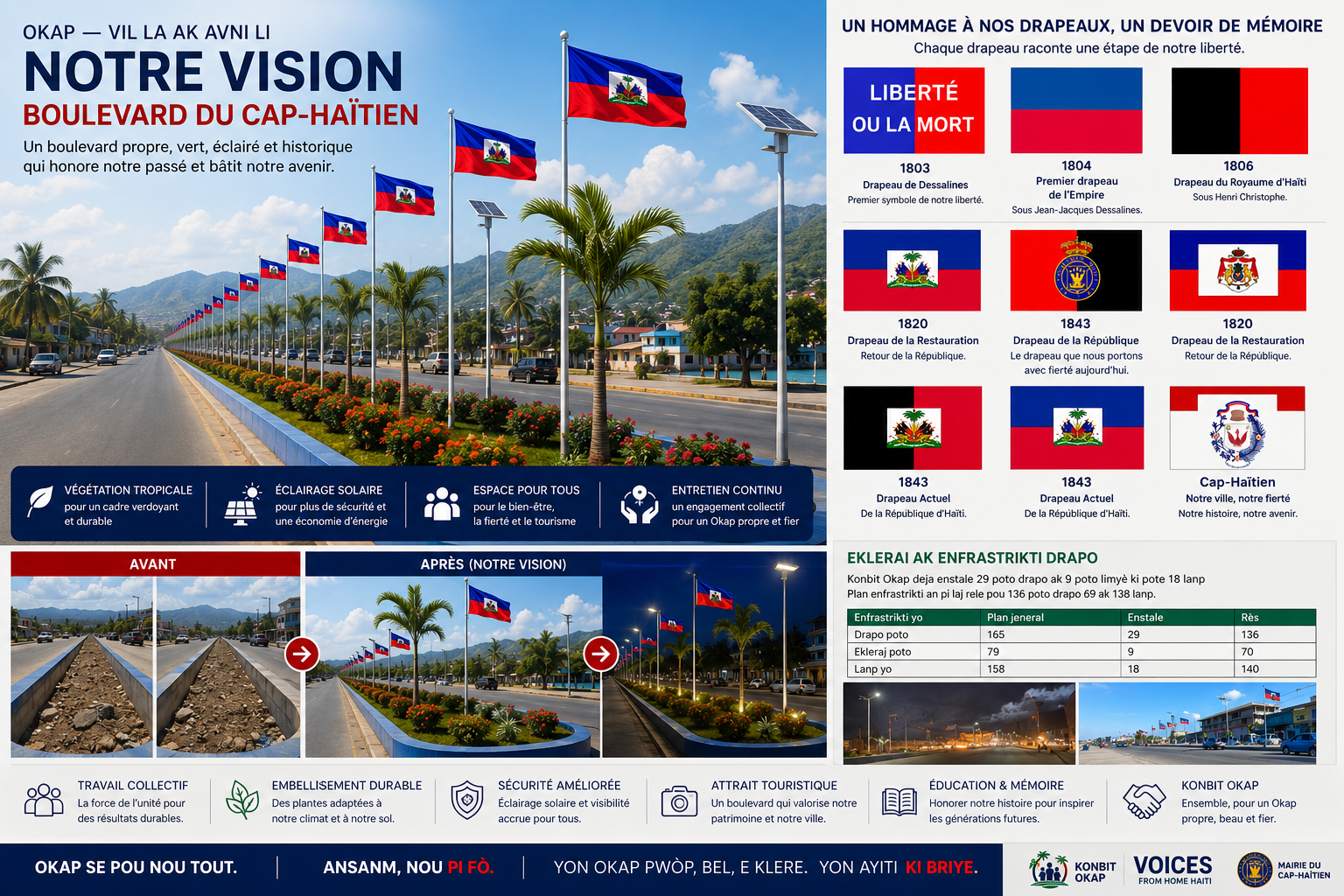
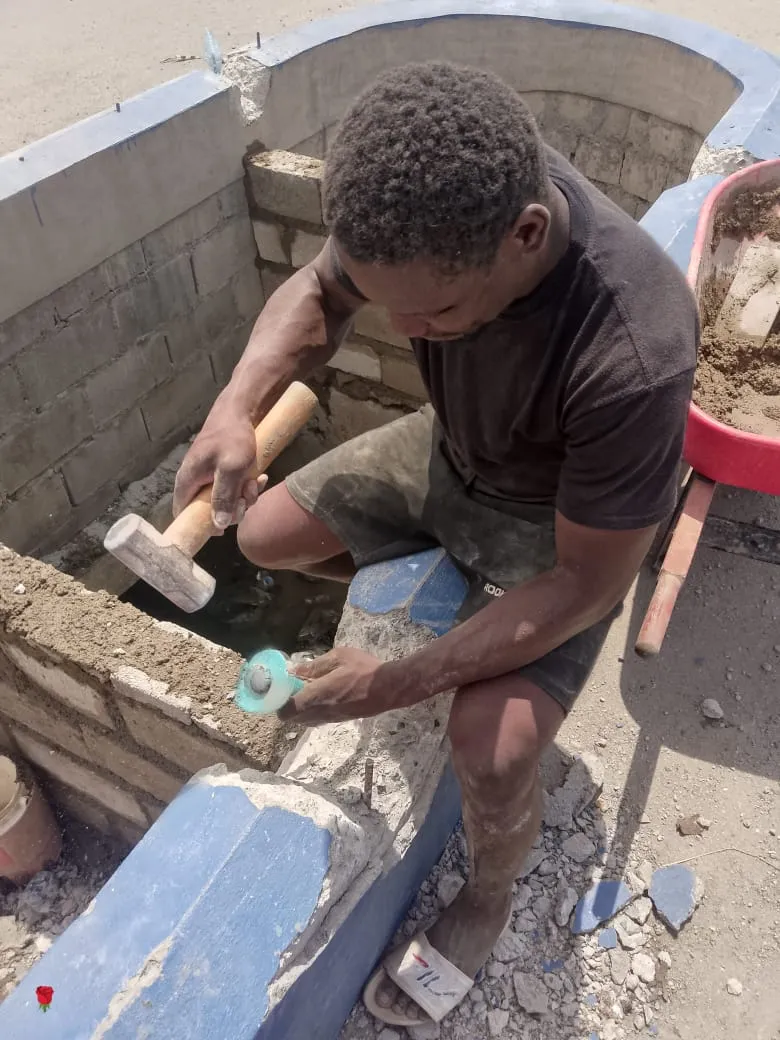
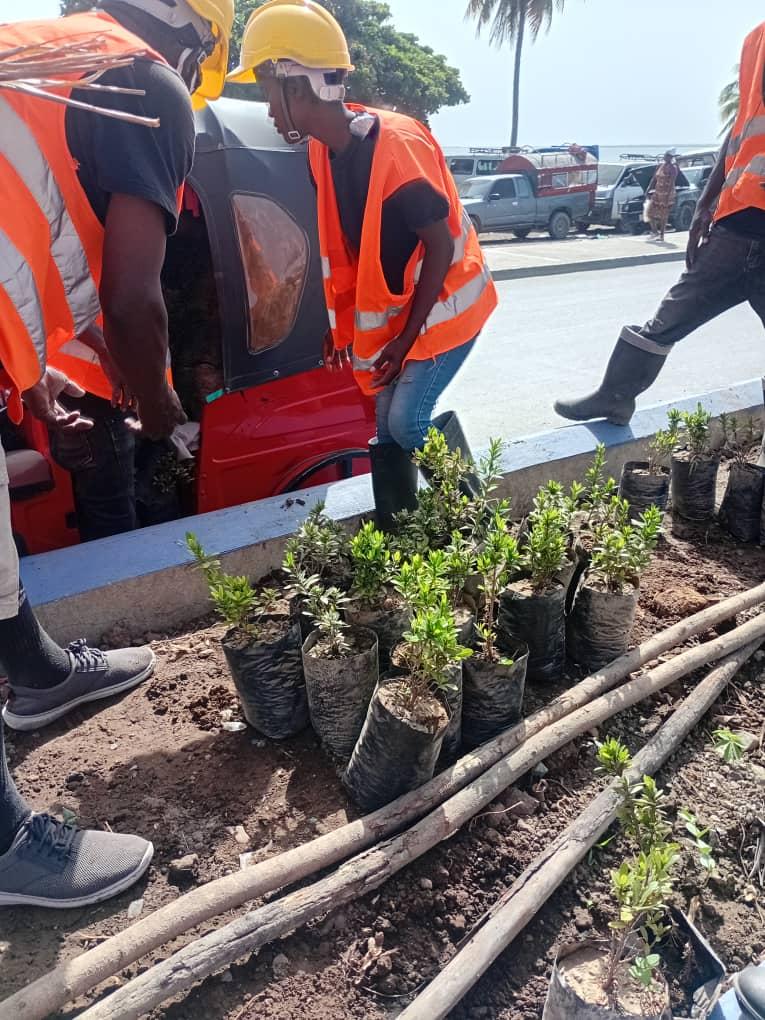
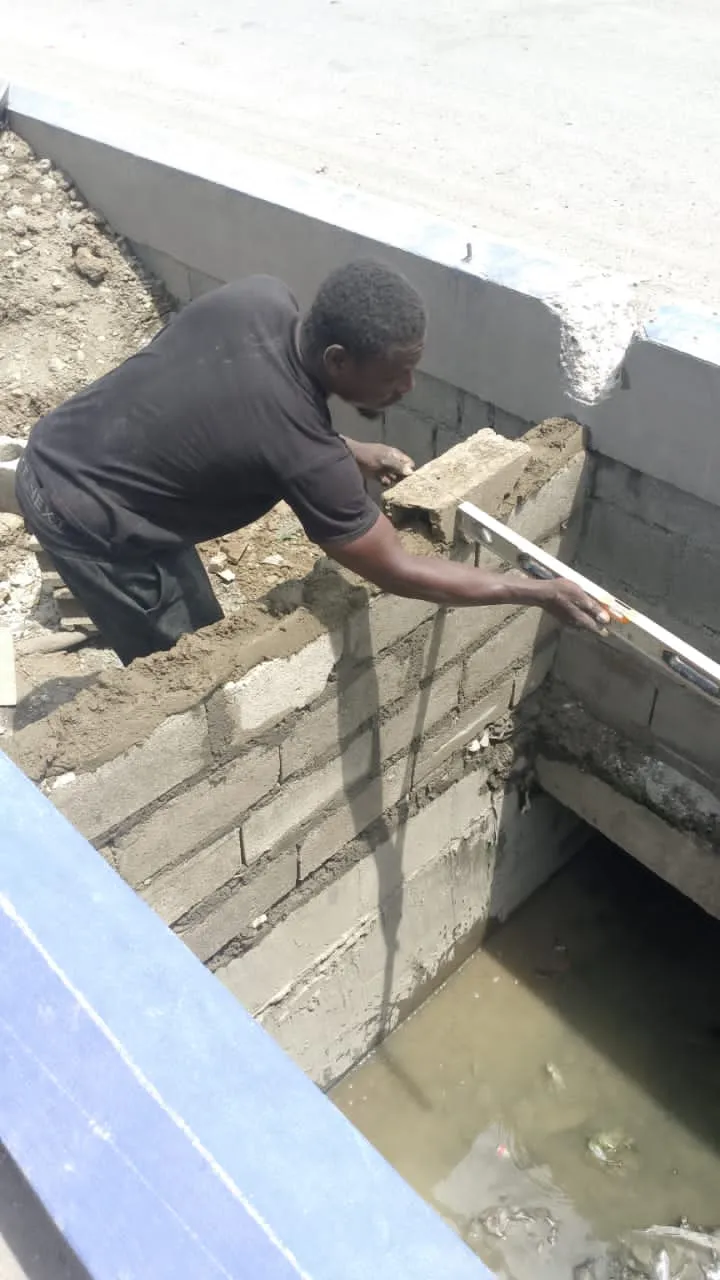
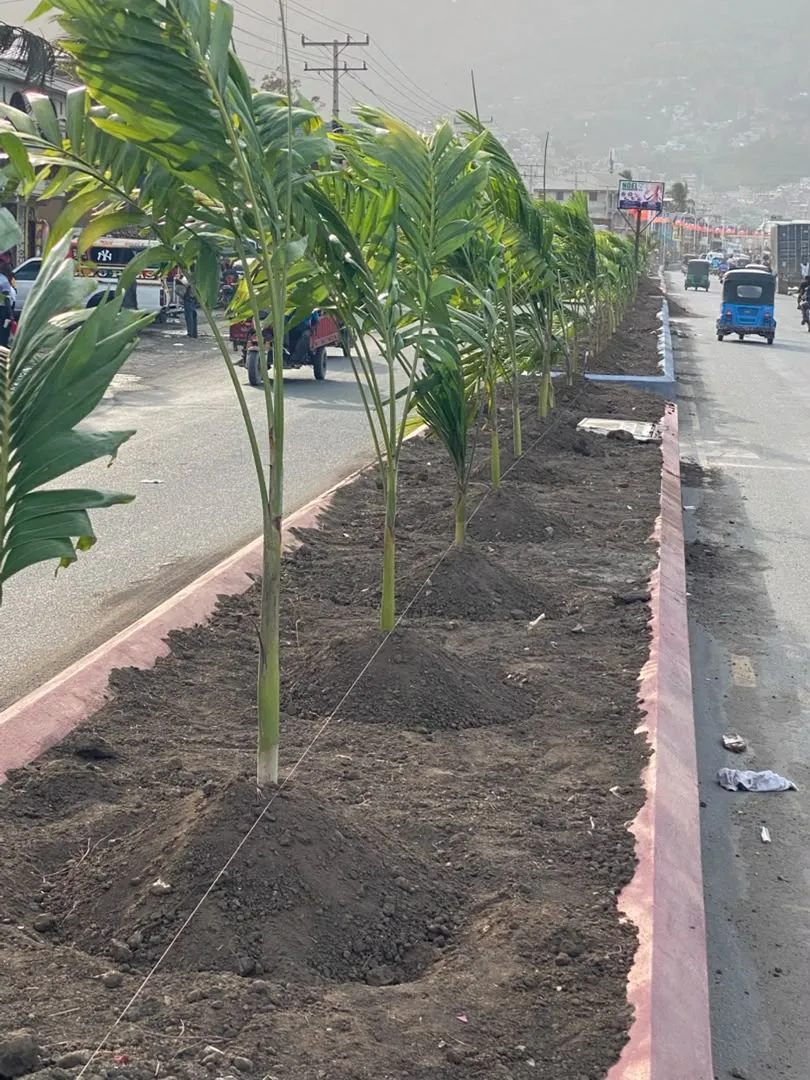
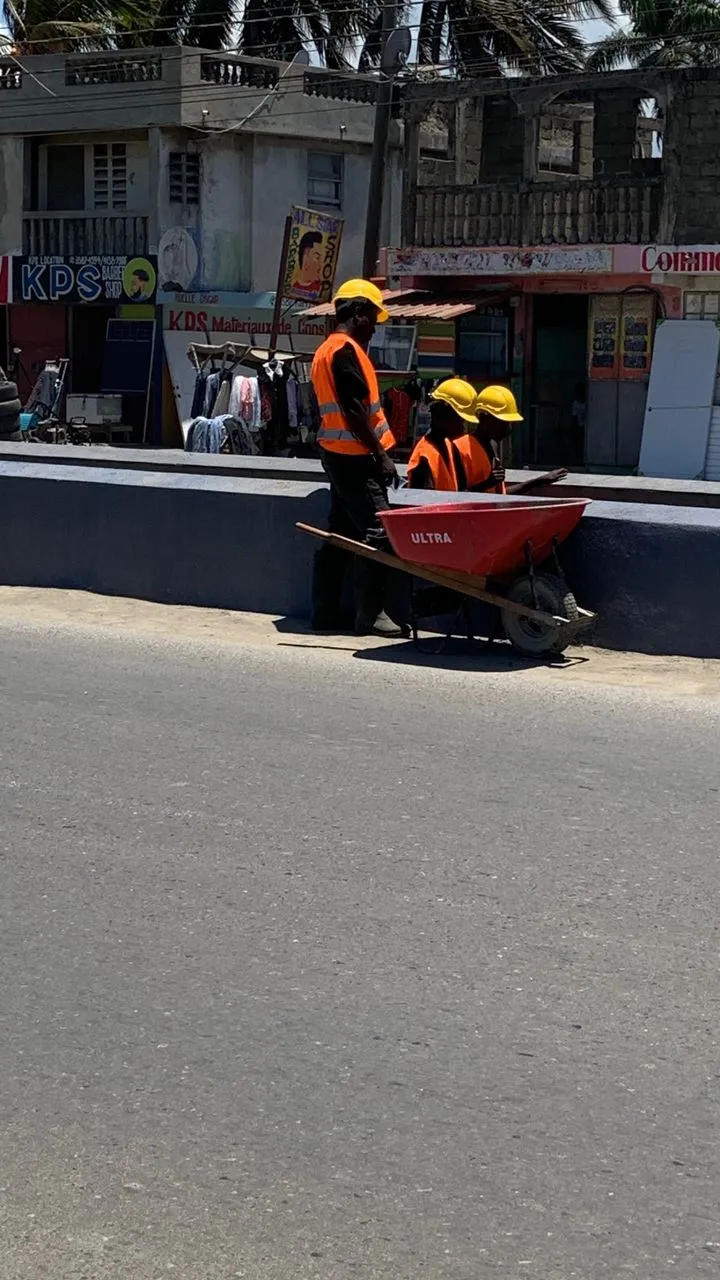
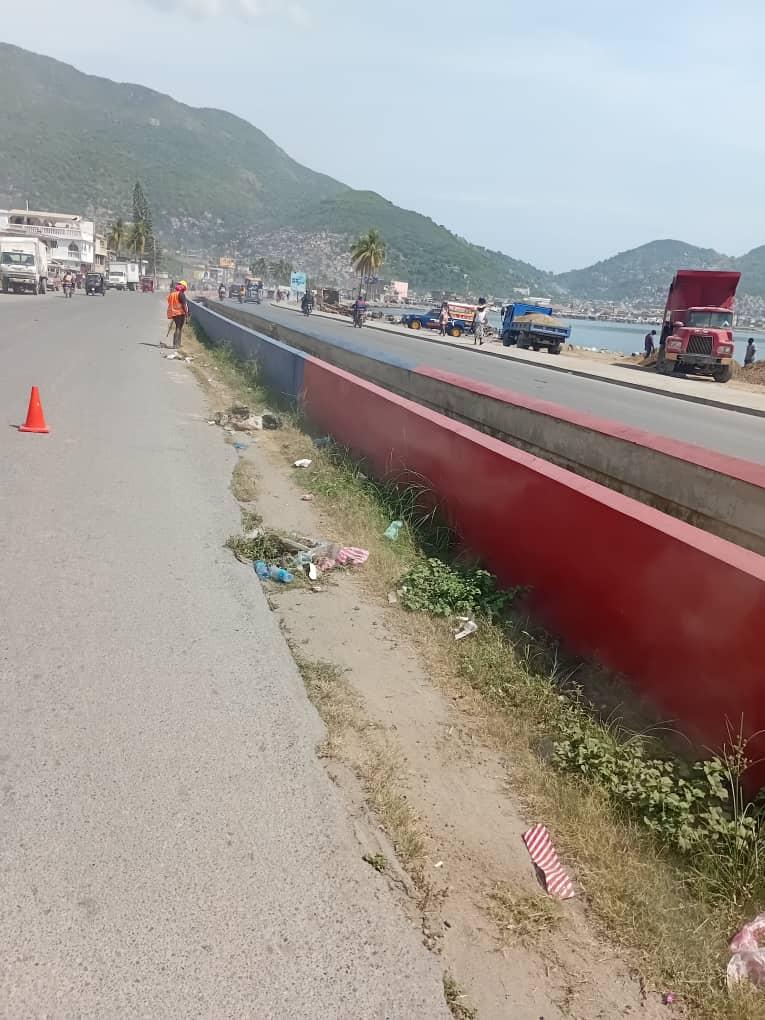
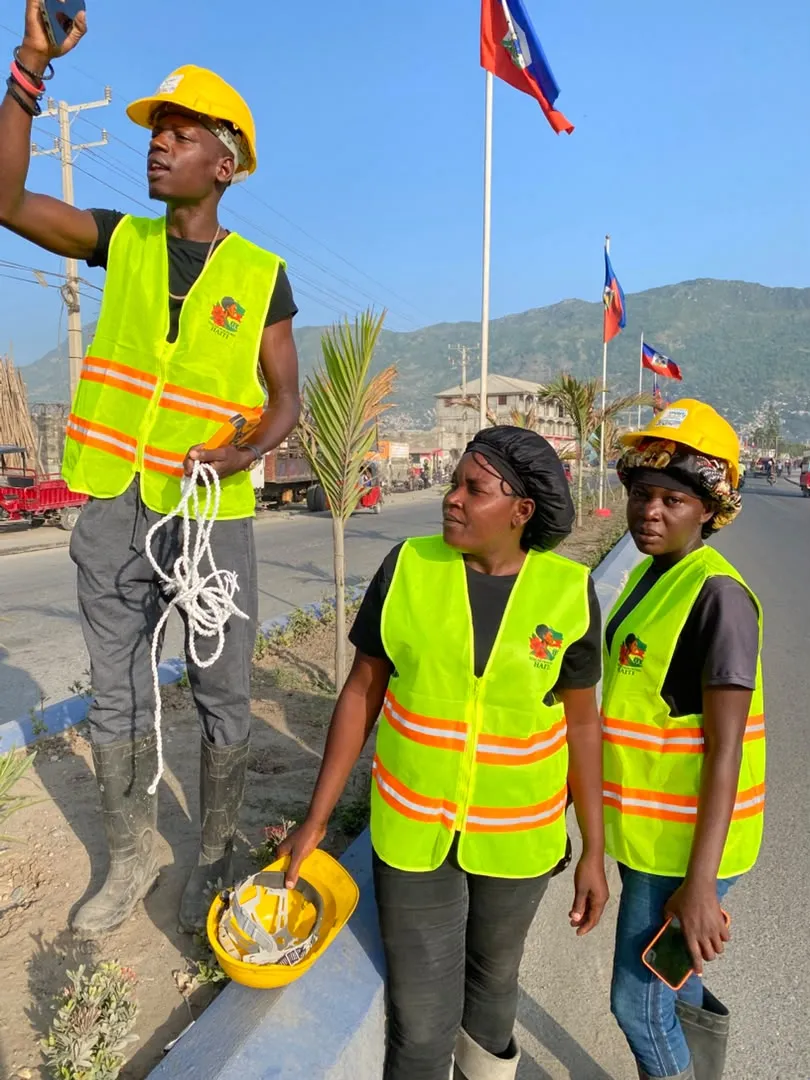
Across Cap-Haïtien—commonly known as Okap—road repairs, sanitation projects, and efforts to reorganize public spaces are beginning to transform the city. Many residents and street vendors recognize that this work is necessary. They want better roads, a cleaner city, less mud, and safer conditions for pedestrians and drivers.
But behind the improved roads is a question authorities cannot ignore: Where will the street vendors sit, sell their goods, and earn enough to support their children?
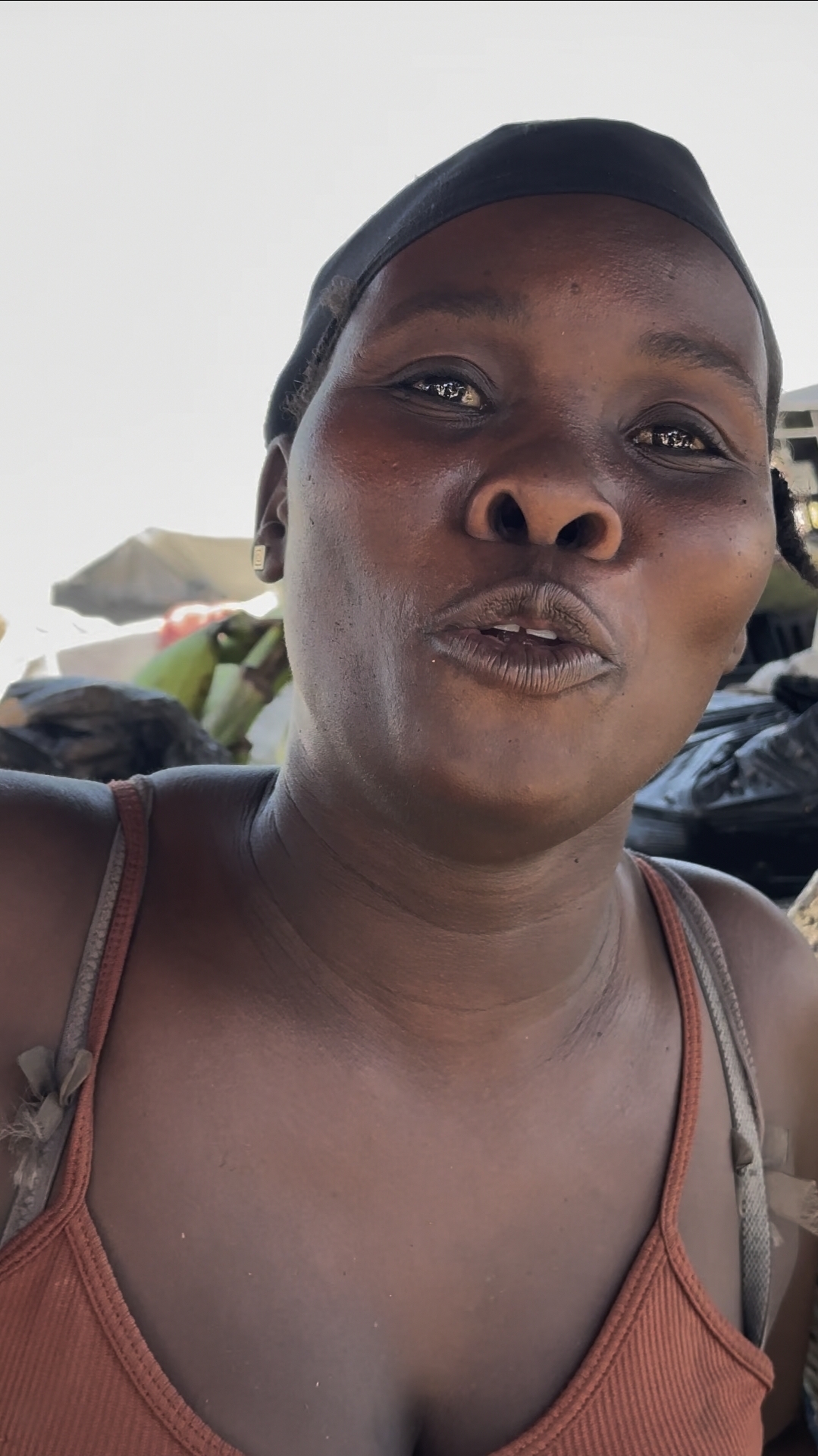
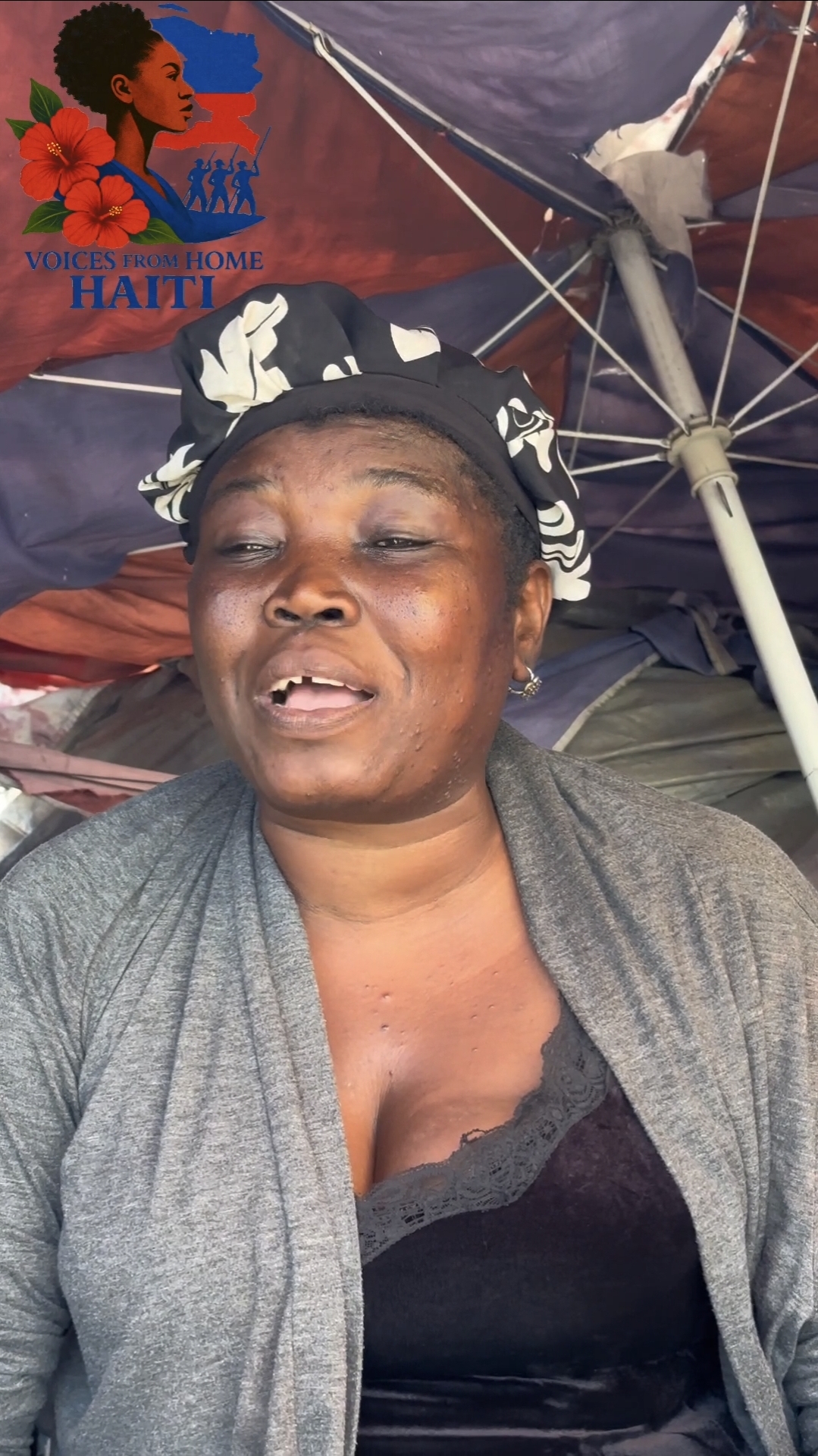
During an interview with Voices From Home Haiti, a vendor in Cap-Haïtien shared her feelings about the projects underway. She said she appreciates the improvements but fears that vendors may lose their only means of survival.
“They are doing beautiful work. I am very happy with the work. But they must find a place where we can sit and earn a living for our children.”
Her words summarize the difficult tension between the need to modernize Cap-Haïtien and the economic reality of the thousands of people who depend on informal commerce.
The vendors are not against development
The vendor who spoke with us did not reject the new roads. On the contrary, she repeatedly said that the work was beautiful and that she was pleased to see the changes.
For years, many vendors have been forced to sit among mud, dust, garbage, and contaminated water. When vehicles pass, muddy water can splash onto them and their merchandise. When it rains, their working conditions become even more difficult. Road repairs can therefore bring meaningful improvements to public life.
However, appreciation for the work does not mean vendors are free from concern.
The vendor’s message was clear: if authorities tell merchants they can no longer sell in a particular area, they must direct them to another location that is accessible, clean, safe, and visible to customers.
“If they tell us we cannot sit here, we would like them to tell us where we should go. We need a place where we can sit, sell, and rest.”
This is not a request to continue blocking roads or sidewalks. It is a request for development to proceed with planning and consideration for the city’s most economically vulnerable residents.
“This is how we change our lives”
For many people in Haiti, a small table, basket, or collection of goods placed along the road represents their entire business. They do not have commercial storefronts, business bank accounts, fixed salaries, insurance, or social assistance to protect them if they cannot sell for a day.
When authorities remove a vendor without providing an alternative space, they are not simply removing a table from the street. They may also be taking food away from a family, eliminating a child’s school fees, and destroying a household’s only source of income.
The vendor explained that this work allows her to support her children. She is not asking for charity. She is asking for an opportunity to work.
“We need a job opportunity, a little freedom, and a place where we can sit. We need to earn a living for our children.”
This reflects one of the harshest realities of Haiti’s economy: many people do not sell on the streets because it is their dream. They do it because formal employment is scarce, wages are low, social protections are nearly nonexistent, and their families must eat every day.
For many vendors, the street is their office, their storefront, and their only entry point into the economy.
A new phase in Cap-Haïtien’s transformation
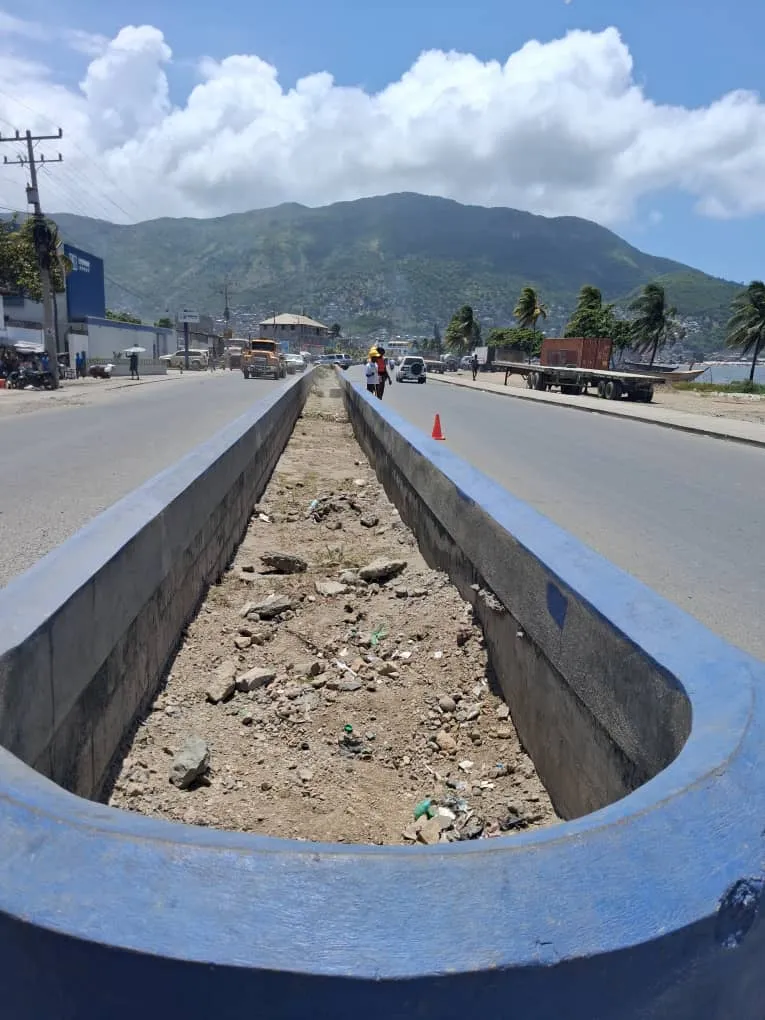
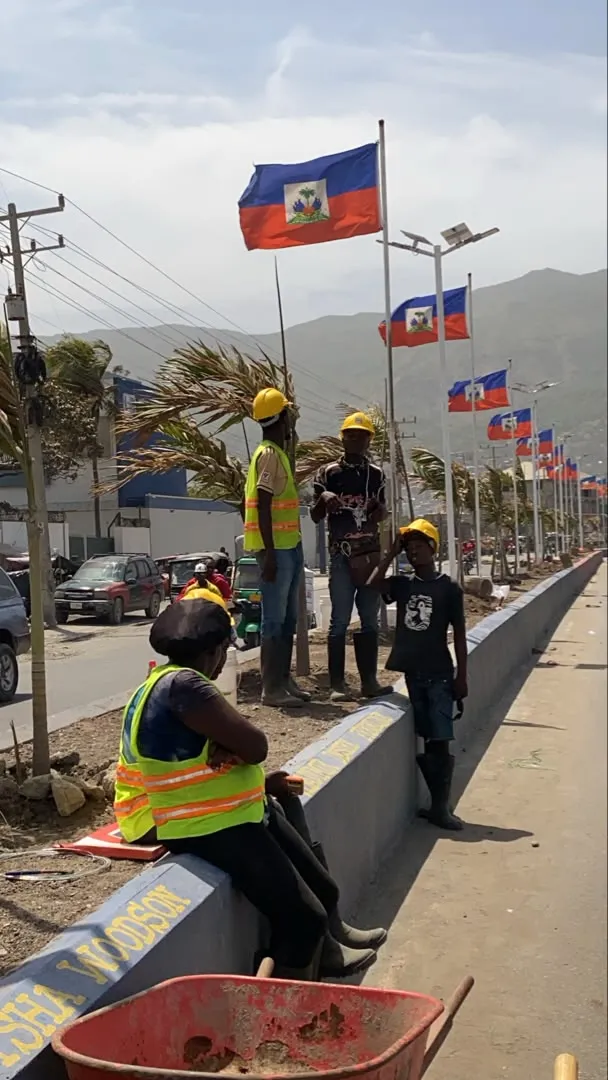
In May 2026, a project was launched to rehabilitate a 2.4-kilometer section of National Route 3 between the SOS Intersection and the Cap-Haïtien International Airport Intersection. The project calls for a four-lane road, roundabouts, drainage improvements, sidewalks, and new road signs. It is supported by the Ministry of Public Works, the Central Implementation Unit, and the World Bank. IciHaiti
During the same period, work resumed on the section connecting Rue 5 to the airport road. Authorities say the goal is to improve traffic, support economic and tourism activity, and modernize the city’s infrastructure. IciHaiti
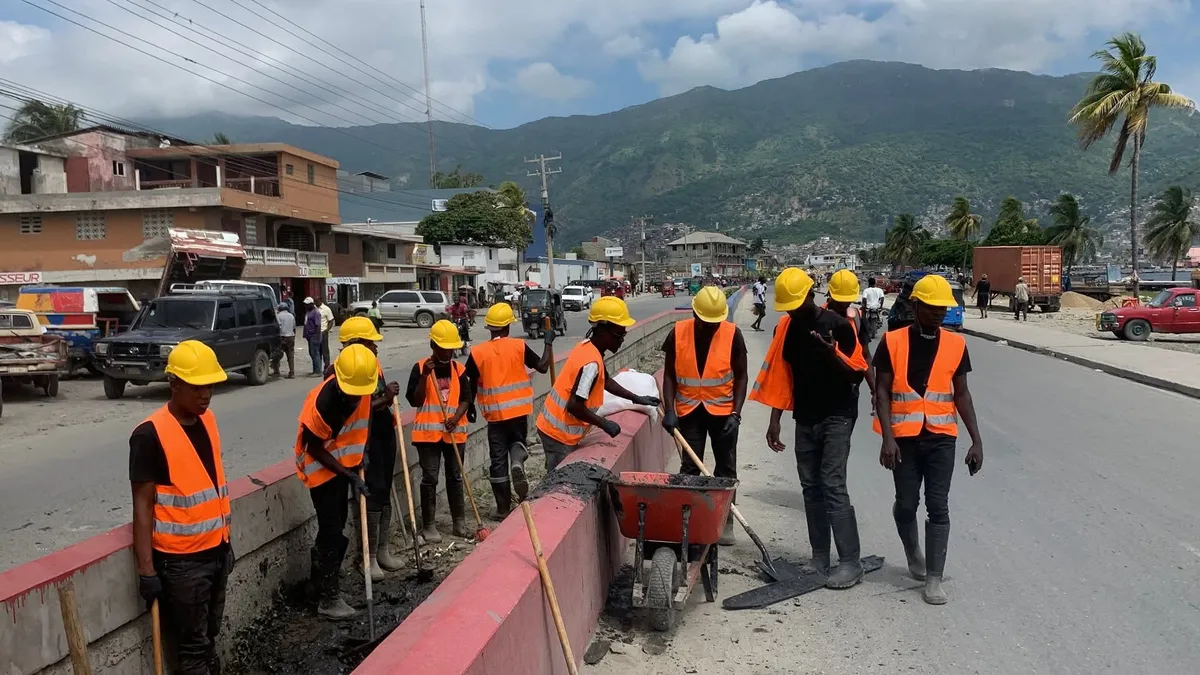
Mayor Michel Saint-Croix and the municipal commission also announced measures to improve sanitation and traffic flow in the city center. These measures are part of a broader campaign to clean, reorganize, and reclaim public spaces. Le Nouvelliste
These projects are important. Cap-Haïtien needs reliable roads, drainage systems, sidewalks, public spaces, lighting, landscaping, security, and a functioning waste-management system. A historic and tourism-oriented city cannot develop without strong infrastructure.
But infrastructure should not serve only vehicles, tourists, and investors. It must also improve the lives of the people who already live and work in the city.
Sidewalks for pedestrians, markets for vendors—but the markets must work
In June 2026, the Cap-Haïtien municipal administration, working with police and municipal security officers, conducted operations to remove tables, tents, and other installations occupying sidewalks, streets, and public spaces.
The municipal commission presented its guiding principle to the public: “Sidewalks for pedestrians, markets for vendors, and streets for vehicles.”
According to the authorities, the operation was intended to reduce congestion, improve the movement of pedestrians and vehicles, and strengthen public safety. However, the operation triggered protests and strong reactions from vendors. IciHaiti
The principle of “markets for vendors” may sound fair on paper. But it can only work when the markets are available, secure, accessible, sanitary, and located where customers can actually find the merchants.
The vendor explained that if merchants are moved too far away or hidden behind other structures, customers will not see them.
“If we sit in the back, will people buy from us? We need a place where people can see us and purchase from us.”
Not every available space can become a functioning market. A successful marketplace requires customer traffic, transportation, water, toilets, waste management, drainage, security, and protection from the sun and rain. It also needs a fair system that does not charge small vendors more than they can reasonably earn.
Without those conditions, relocating merchants may simply transfer poverty from a visible street to another location where the public no longer sees it.
The harsh and unsanitary reality facing Cap-Haïtien’s vendors
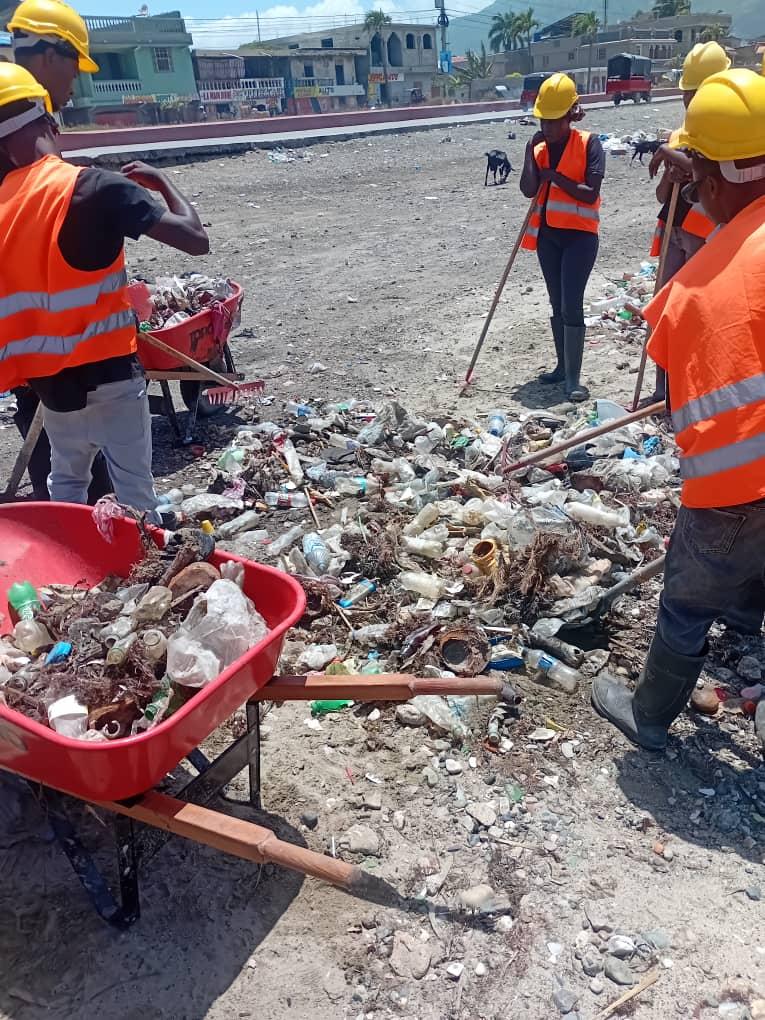
Before the latest improvements, many vendors worked under conditions that were far from dignified. They sat near piles of garbage, stagnant water, mud, and blocked drainage canals. Food products could be exposed to dust, bacteria, vehicle emissions, and contaminated water.
A Haiti Climat report described unsanitary conditions in Cap-Haïtien as a chronic problem, characterized by garbage accumulating in the streets, stagnant water, and poorly managed infrastructure. The article cited an estimate that the city generated approximately 221 tons of waste per day, or more than 80,000 tons per year, based on earlier waste-management data. Haiti Climat
The report warned that garbage and contaminated water can threaten public health, obstruct streets, worsen flooding, and expose residents to disease.
Vendors experience this reality every day. They spend hours outside under the sun, rain, and vehicle exhaust. They do not always have access to clean water or toilets. Some sell food near garbage because no other space is available. Others must protect their merchandise when passing vehicles splash mud and water onto them.
The vendor we interviewed described those conditions:
“Before, we were sitting in the mud. When vehicles passed, mud and water would splash onto us. The work is beautiful for us, but now we need somewhere we can sell.”
Her words show that vendors do not want to return to unsanitary conditions. They also want a clean Cap-Haïtien. But they do not want the city’s cleanup efforts to be used as a way to erase them from the economy.
Cleanliness should not mean destroying people’s livelihoods
In July 2025, an eviction operation targeted hundreds of merchants at the Nan Pon market in Shada 1. The municipal administration said its objective was to clear the coastline, improve traffic, and make the area cleaner and more attractive.
However, some vendors reported being taken by surprise. Several did not have sufficient time to collect their merchandise, while others said their tables and possessions were damaged.
One merchant said: “This is our office, our only activity. It is what allows us to meet our daily needs.” Vant Bèf Info
That statement closely resembles the message shared by the vendor we recently interviewed. The concern is the same: people do not oppose a clean city, but they cannot accept development that eliminates their only means of survival.
A city does not become developed simply because its streets are empty. It develops when public spaces are organized, the economy functions, and working people have both opportunities and protection.
The solution is organization, not abandonment
The municipal administration and other officials are right to say sidewalks must remain open to pedestrians and streets must allow vehicles to circulate. Vendors are also right to say they need visible and accessible places to sell.
These positions do not have to be in conflict.
Authorities can work with vendors to:
Identify and prepare designated commercial areas before relocating merchants.
Create sanitary, well-lit markets with drainage, water, toilets, waste containers, and shelter.
Provide vendors with designated and registered spaces to prevent disorder.
Consult merchants before making major changes.
Establish transition periods so vendors can relocate their merchandise without suffering losses.
Provide small loans and grants to help merchants improve their businesses.
Organize regular waste collection inside the markets.
Ensure new vending locations remain close to transportation and customer traffic.
Create training and employment opportunities for vendors who want to transition out of informal commerce.
Protect women, older people, and parents who depend on small-scale commerce to care for their children.
That is the difference between an eviction operation and an economic-development plan.
Beautiful roads must create opportunities for everyone
Cap-Haïtien’s new roads could transform the city’s future. They could improve traffic, support tourism, attract investment, and make the city more beautiful. The efforts of Mayor Michel Saint-Croix, the municipal commission, the Ministry of Public Works, and other officials deserve recognition where they produce tangible results.
But the success of these projects should not be measured only by the number of roads repaired or tables removed from sidewalks. It must also be measured by the number of people who can continue working with dignity after the transformation.
Street merchants are part of Cap-Haïtien’s economy. They are mothers, fathers, and heads of households. They sell goods to pay school fees, purchase food, cover rent, and care for their children. They should not be treated as though they are the city’s problem.
The vendor is not asking for the projects to stop. She is not asking for the streets to remain dirty. She is asking authorities to remember the people who depend on small-scale commerce to survive.
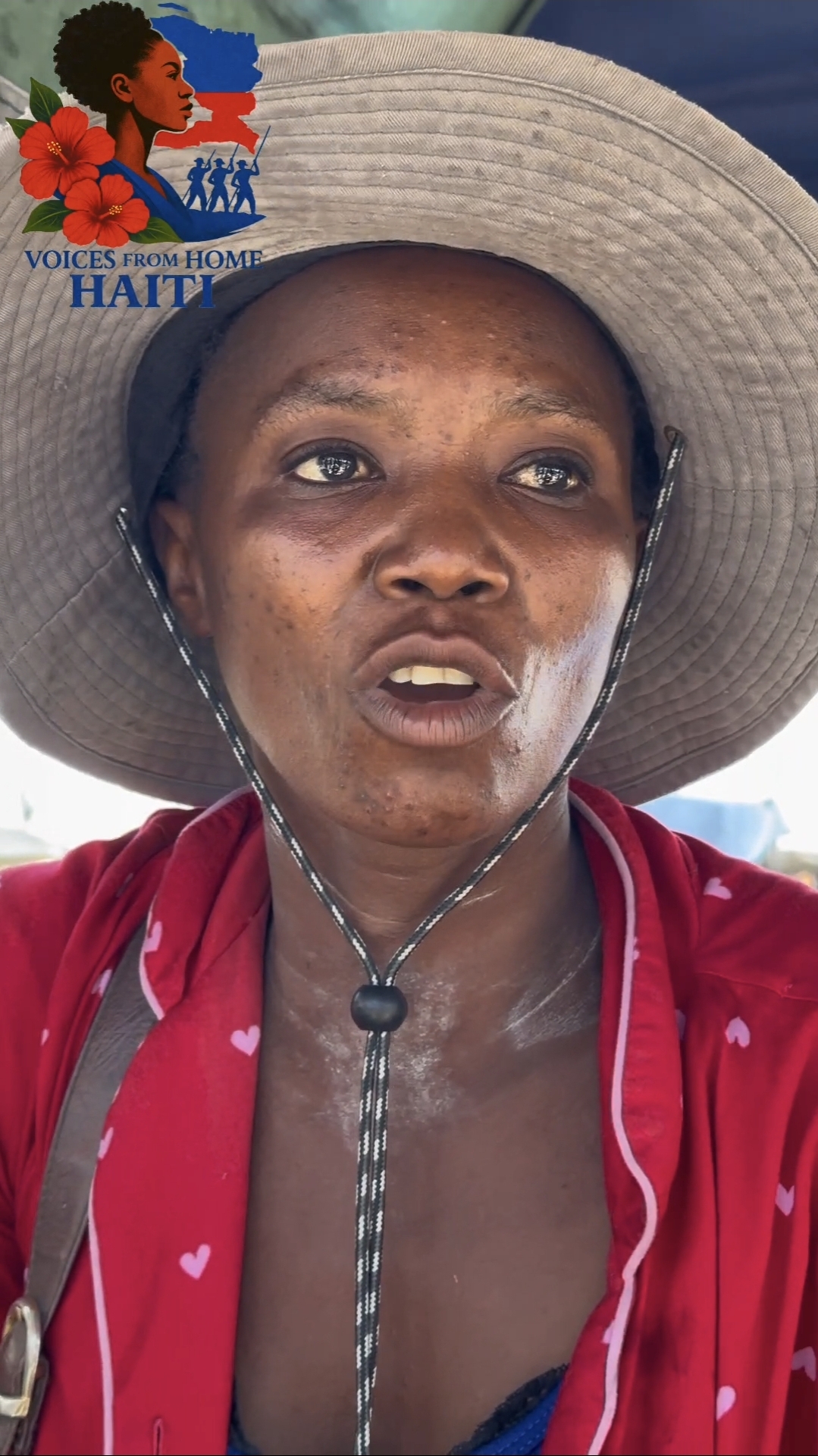
“The work they are doing is beautiful. We are happy. But we ask them to give us a designated place where we can sit, sell, and earn a living for our children.”
It is a simple, fair, and achievable request.
Cap-Haïtien needs cleanliness. Cap-Haïtien needs order. Cap-Haïtien needs new roads. But Cap-Haïtien also needs its street merchants.
True development does not push people out. It makes room for them.

FOLLOW US


COMPANY
LEGAL
Copyright 2026. Voices From Home. All Rights Reserved.