
Become part of the voices from home community
for powerful haitian insights and stories!

Reimagining the Okap Boulevard: Transforming Cap-Haïtien
Reimagining the Okap Boulevard: The People Building a New Vision for Cap-Haïtien
By Blandine Joyeux | Voices From Home Haiti
There is a difference between cleaning a place and transforming it.
Cleaning addresses what is wrong today. Transformation asks what that place could become tomorrow.
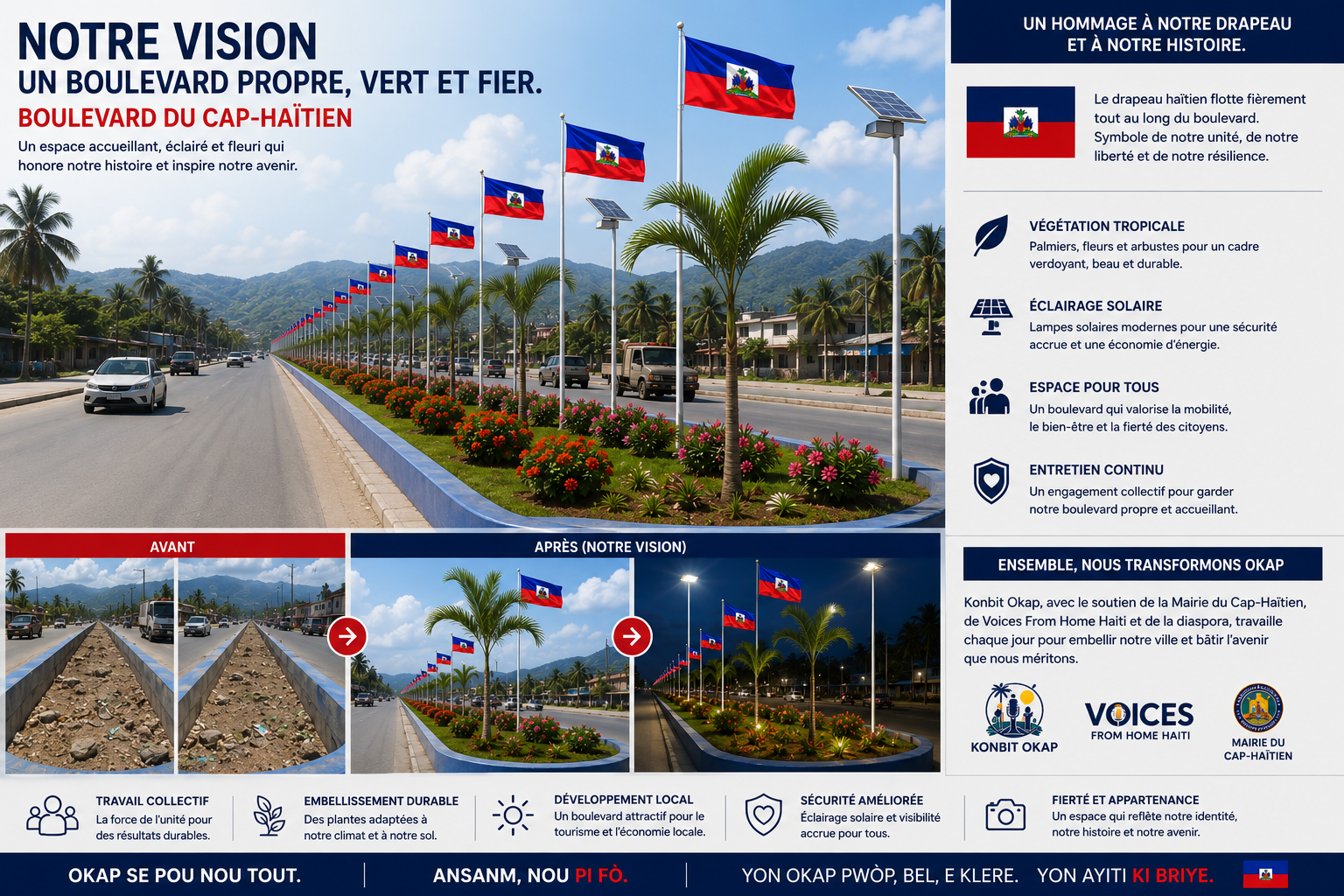
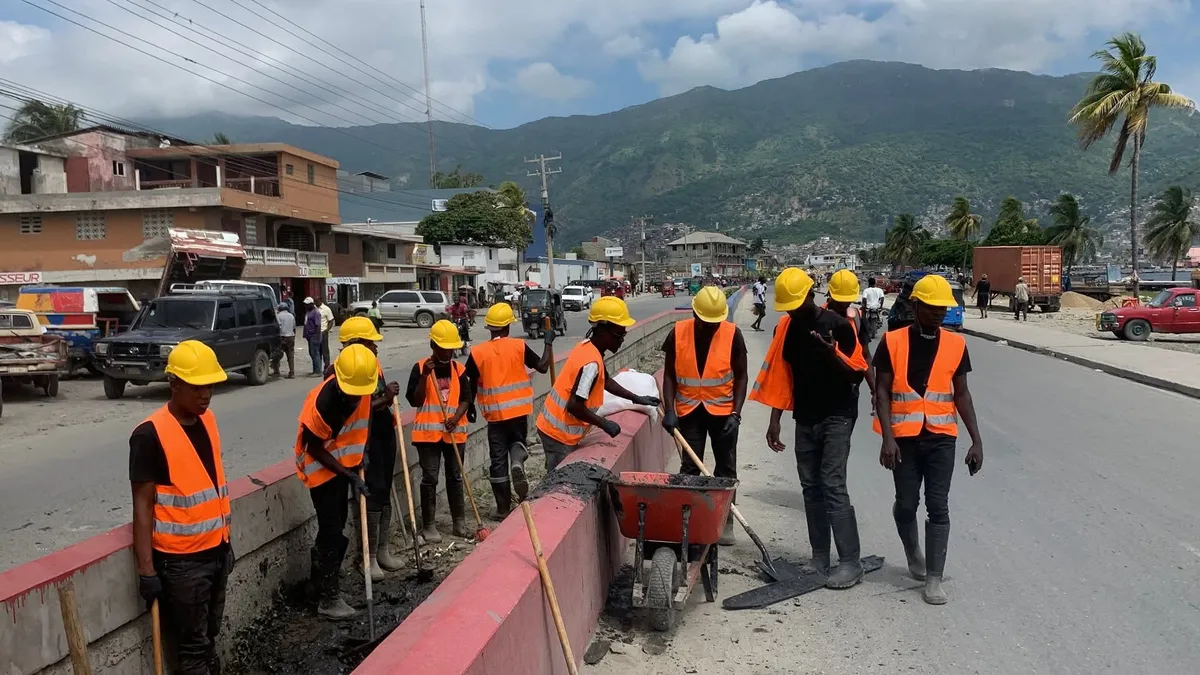
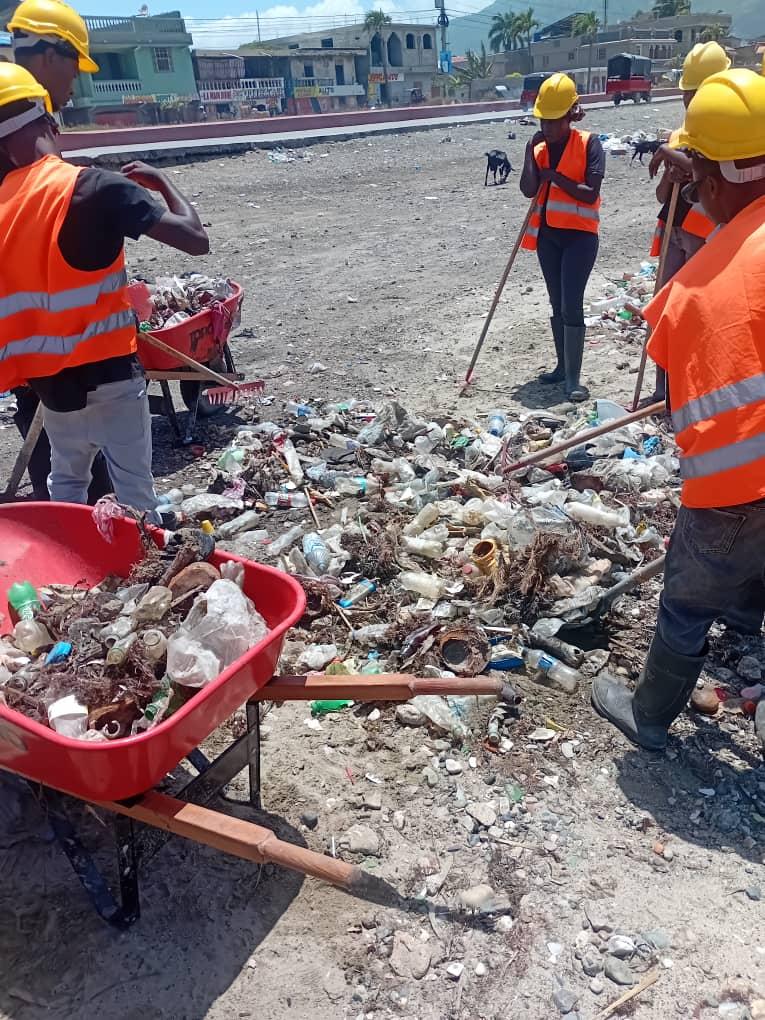
That is increasingly the vision behind Konbit Okap and the work taking place along the boulevard and litoral of Cap-Haïtien. What began with local residents refusing to accept trash, deteriorated medians and years of neglect is developing into a much larger idea: creating a boulevard that reflects the history, beauty and potential of the city itself.
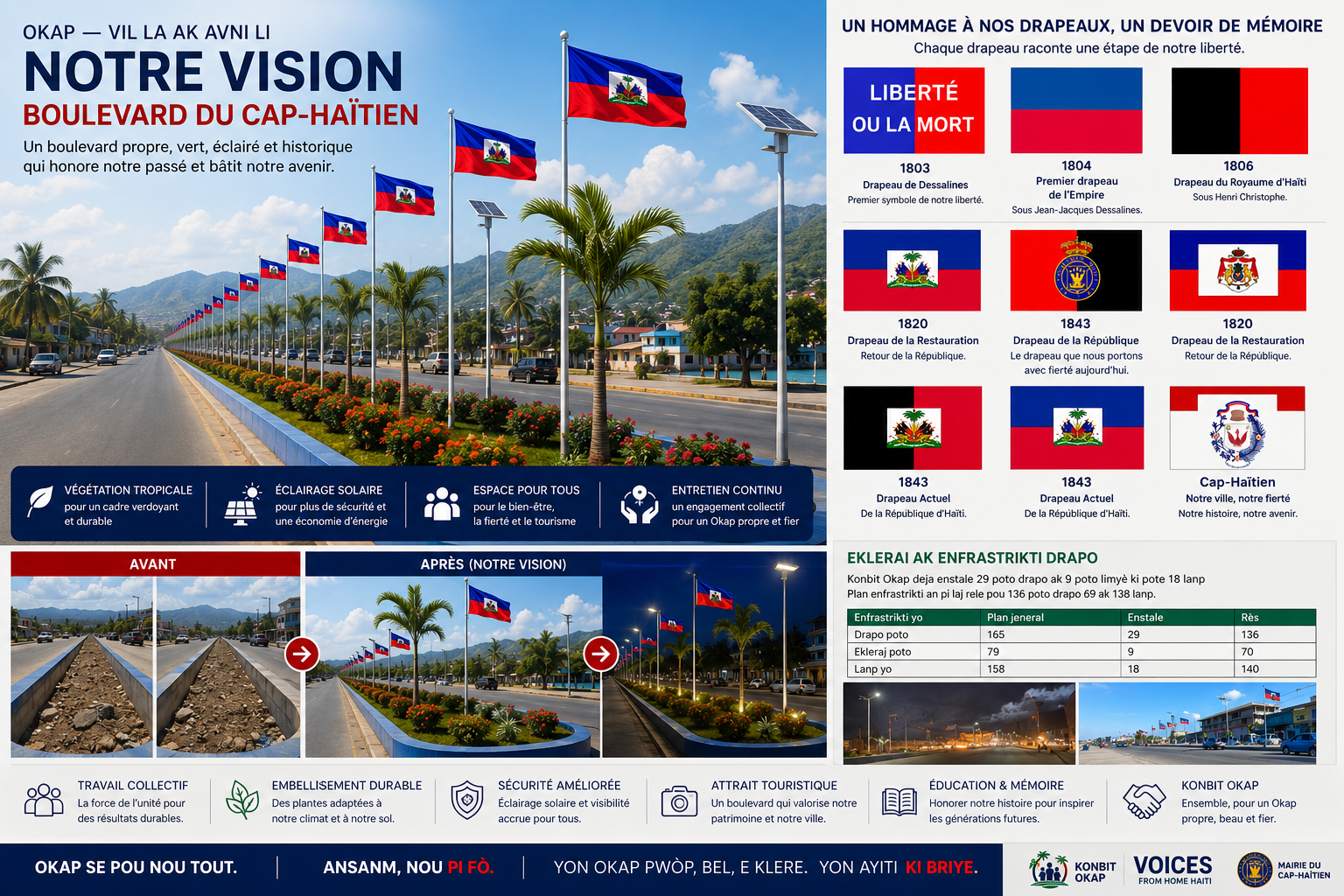
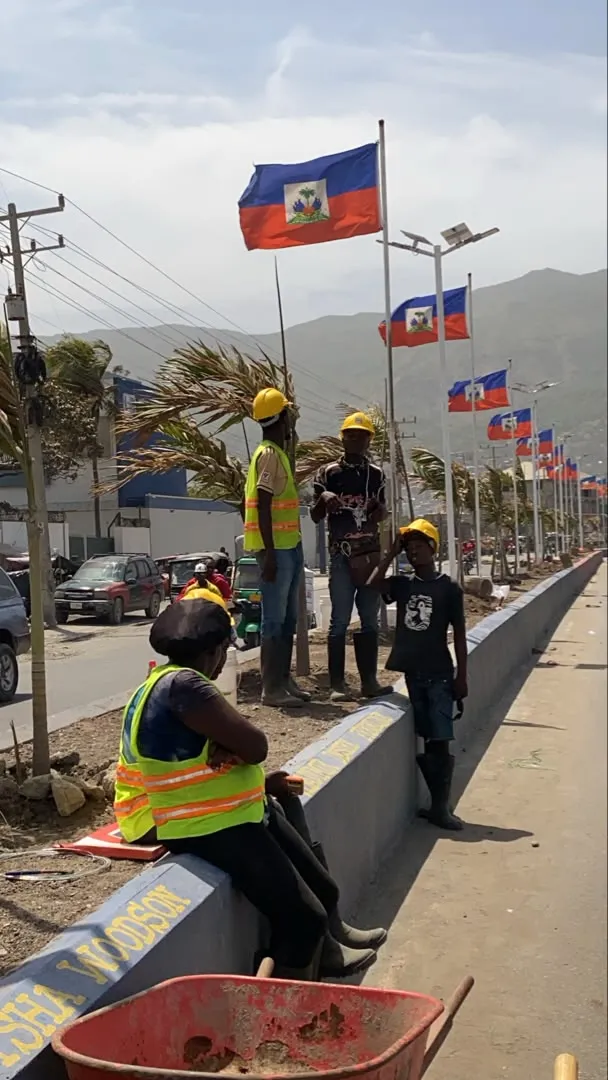
The vision is ambitious. We imagine a boulevard lined with healthy palm trees and flowering medians, illuminated at night, maintained consistently and transformed into a welcoming gateway to Cap-Haïtien. Along the route, Haitian flags representing different periods of our history would turn the boulevard into a living historical tribute—connecting beautification with education, memory and national pride.
But none of that vision means anything without the people willing to build it.
Eugene Jn Gardy M.: Development Begins With Believing Change Is Possible
Eugene Jn Gardy is an agronomist and journalist who is part of the effort. For him, improving the litoral is connected to a much bigger dream for Haiti.
He describes himself as someone who values respect, wisdom and collaboration, particularly with people who demonstrate a genuine commitment to the work.
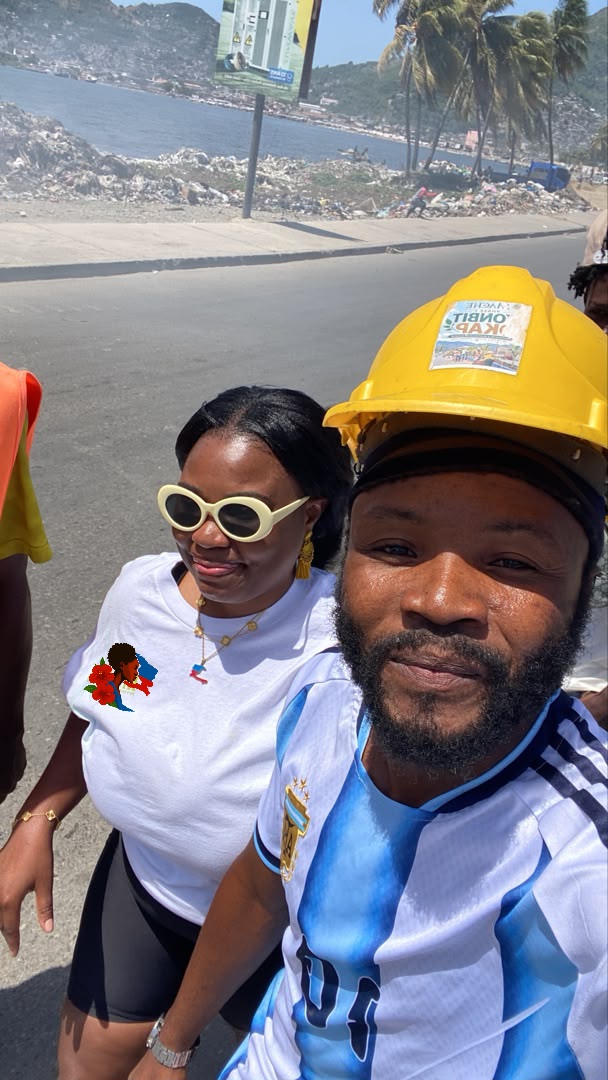
“Rèv pam se poum wè Ayiti prèske nan menm nivo ak lòt peyi yo, espesyalman Okap. Mw ta renmen wè yon vil Okap pi pwòp, pi klere, e sitou bò litoral la ki se yon espas trè agreyab kote nou kapab kreye anpil bèl bagay.”
His vision goes beyond landscaping. Eugene wants to see a cleaner and brighter Cap-Haïtien, with the litoral developed into an attractive public space capable of demonstrating what the city can become when its potential is taken seriously.
And at the center of that vision is collaboration.
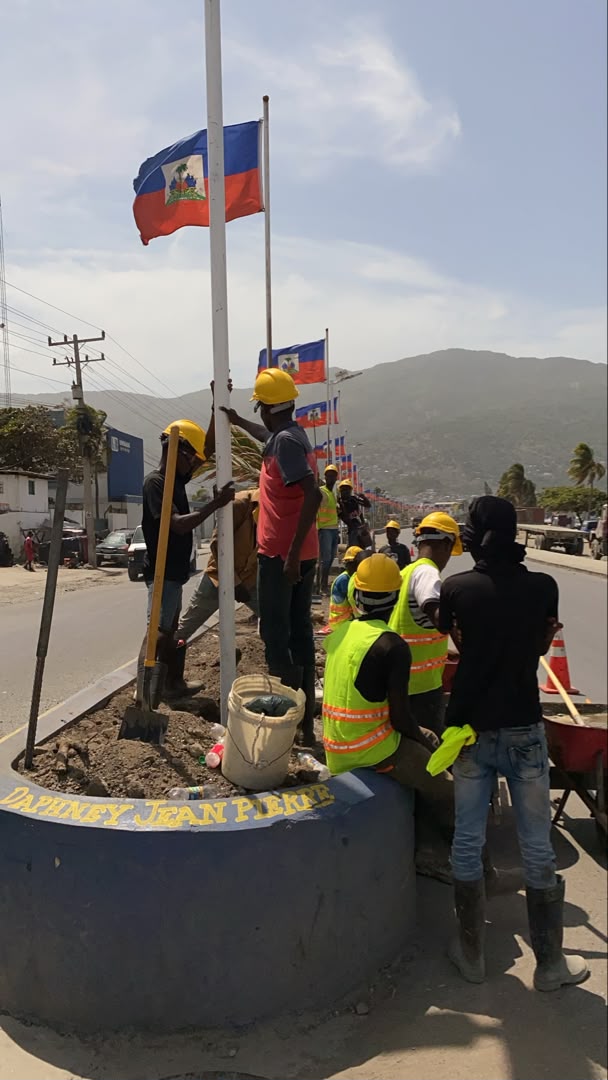
“Mw kwè nan devlopman ak chanjman e mw konnen ansanm nou pi fò. Men nan men nap genyen yon lòt peyi, yon lòt Ayiti kap briye tankou lòt peyi yo.”
That idea "ansanm nou pi fò" is precisely what Konbit Okap is supposed to represent.
No single person can transform a city. The work requires agronomists, laborers, artists, organizers, donors, government officials, diaspora supporters and ordinary citizens who decide that improving their environment is worth their participation.
Alland Joseph: An Artist Who Wants to Change the Litoral
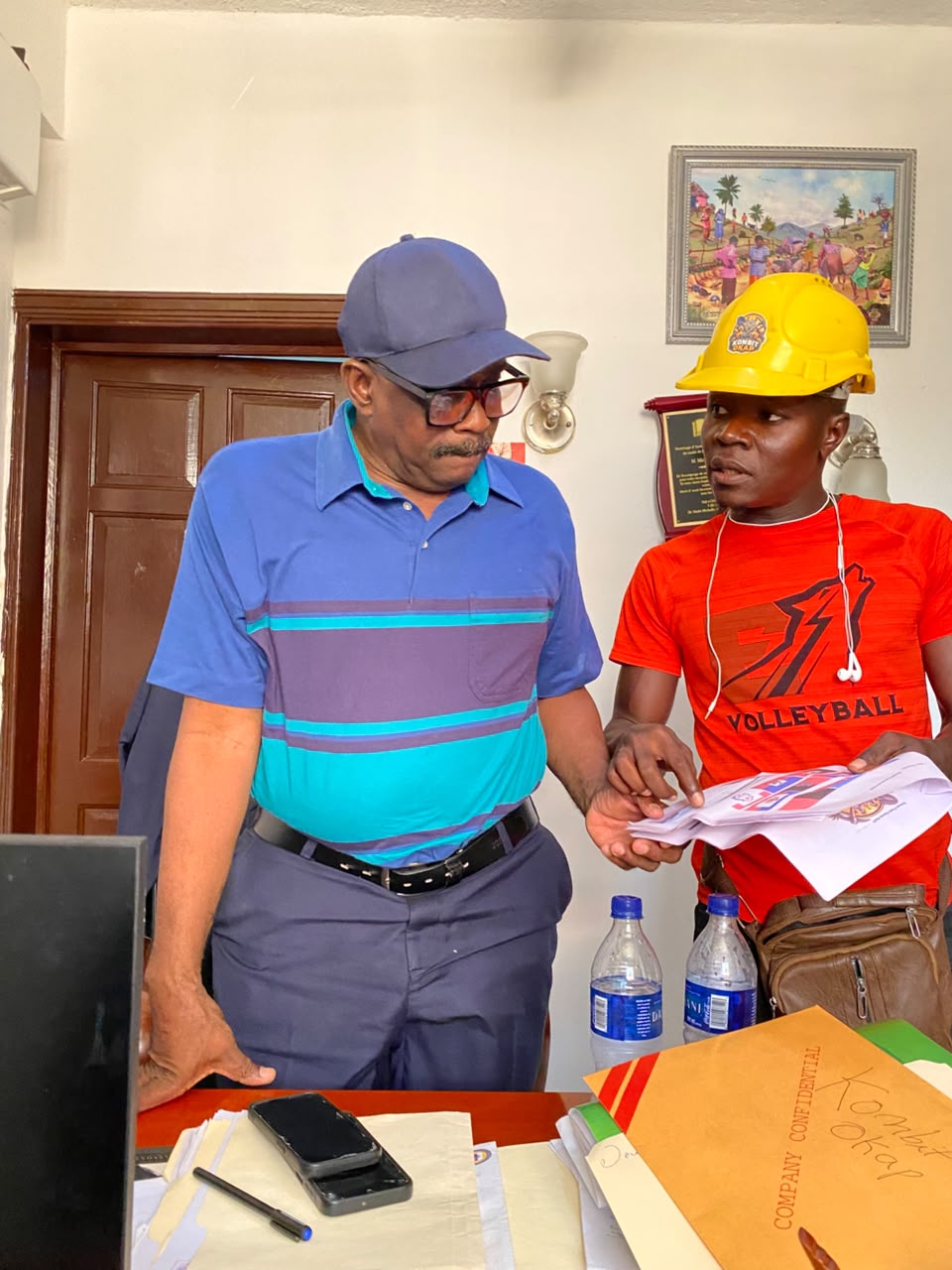
For Alland Joseph, the connection to Cap-Haïtien is deeply personal. He was born at Hôpital Justinien, lives in the Fort Saint-Michel area and is an artist and painter.
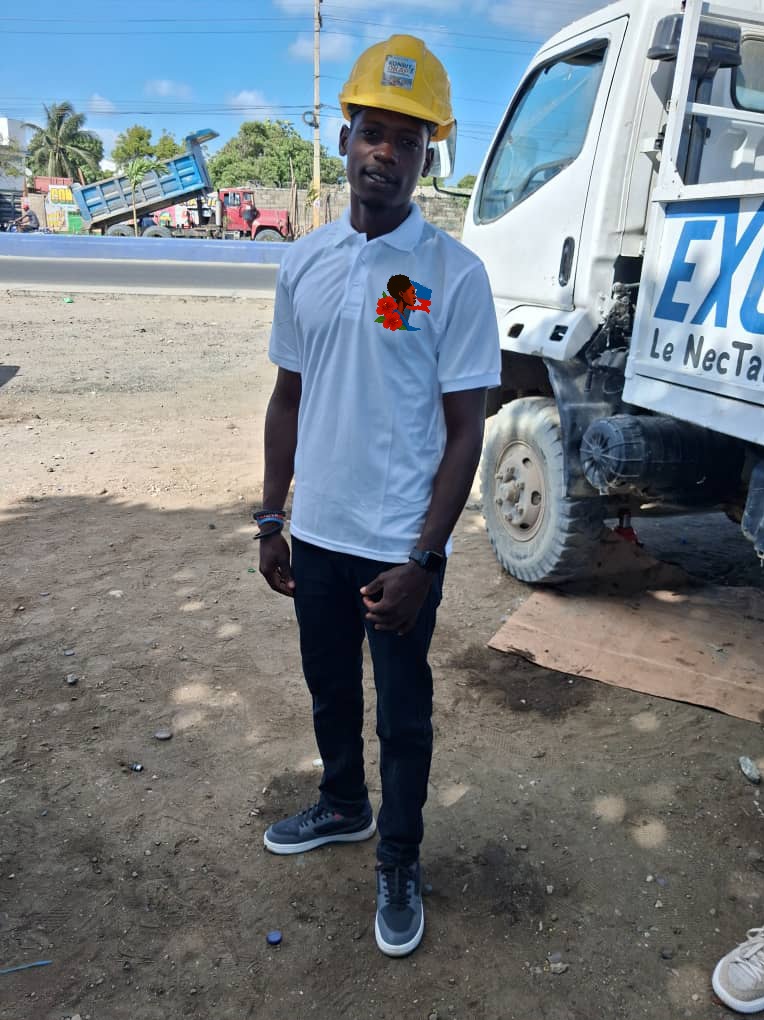
But his contribution to Konbit Okap is not limited to art.
Alland says the condition of the litoral itself motivated him to volunteer.
“Mwen se yon atis pent. Mwen te ofri tèt mwen nan Konbit Okap parapò ak jan litoral la te ye. Mwen gen yon vizyon, yon objektif, yon detèminasyon pou chanje litoral la. Mwen vle pote yon chanjman ak tèt kole ak sa ki vle chanjman.”
That last idea is important: tèt kole ak sa ki vle chanjman—joining together with people who genuinely want change.
Because ultimately, that is what this project requires.
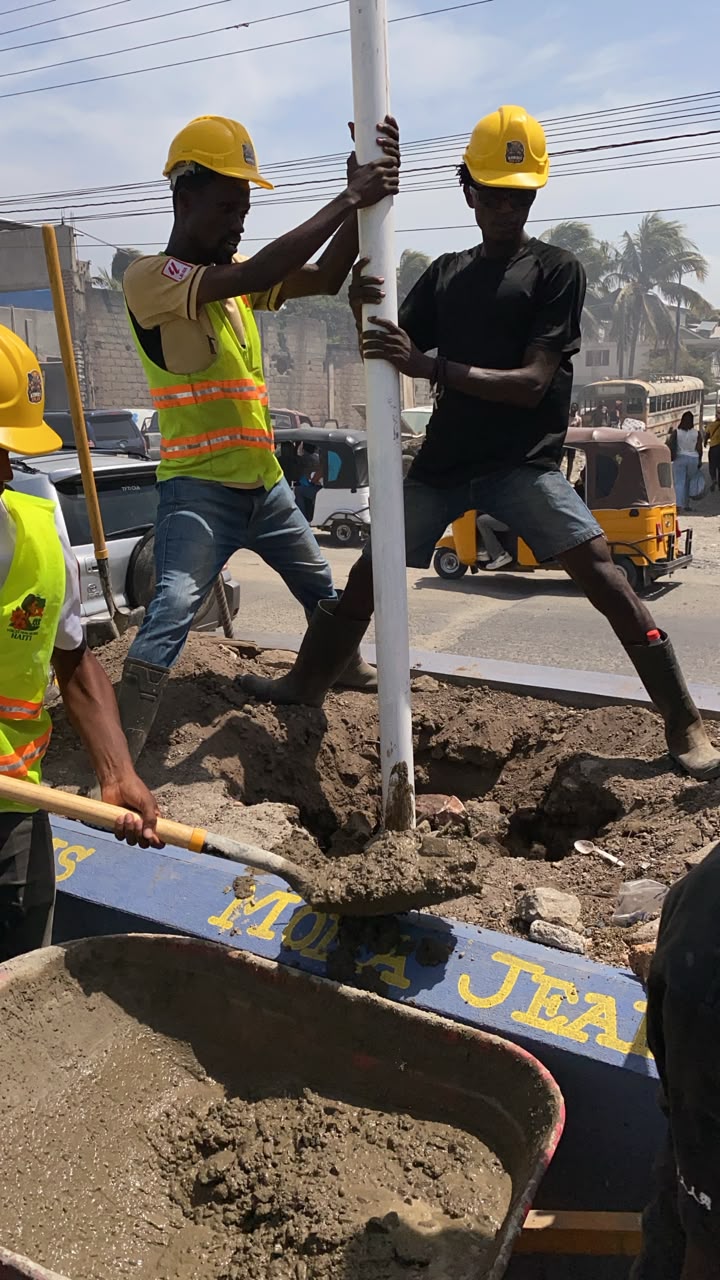
The boulevard cannot be transformed by people who simply talk about what is wrong with Cap-Haïtien. It requires people prepared to participate in making something right.
A Growing Partnership With the Mayor's Office
The work is also demonstrating what can happen when community action receives meaningful institutional support.
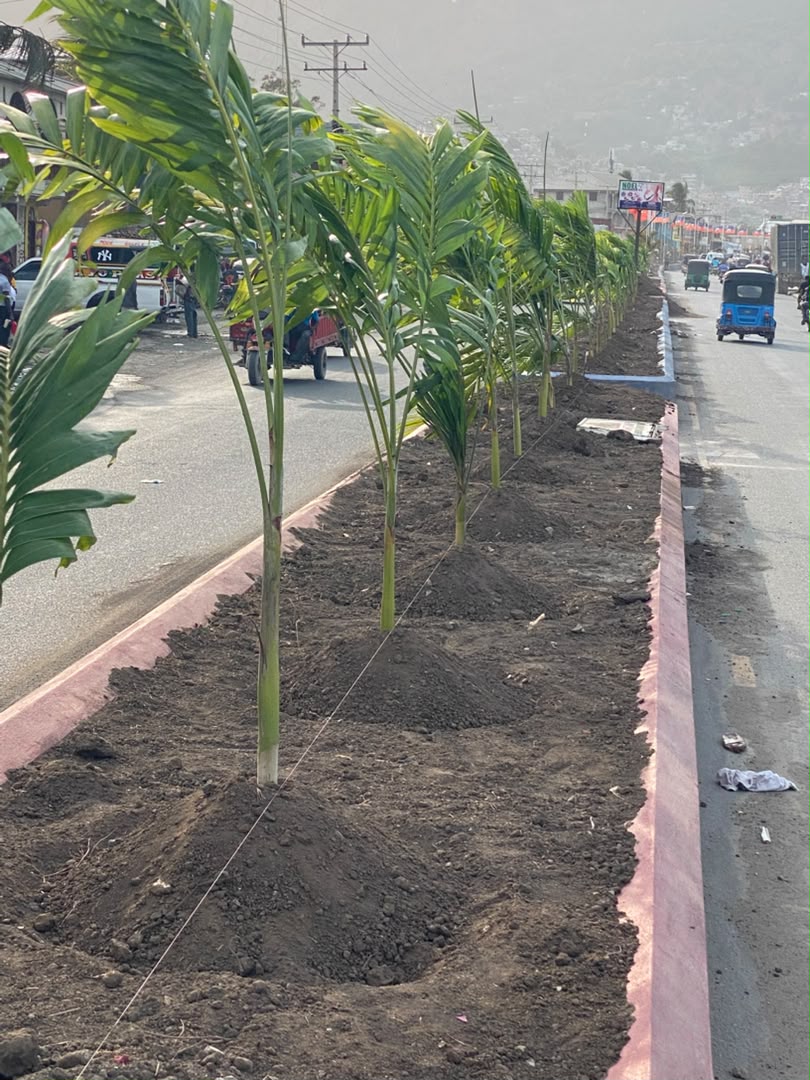
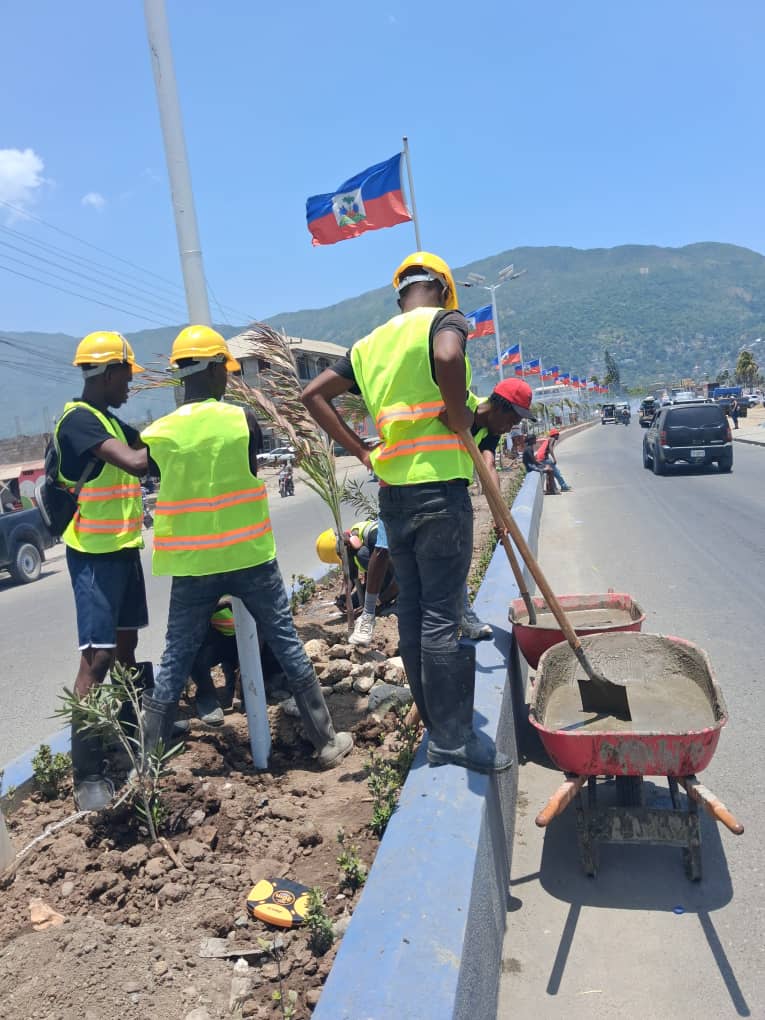
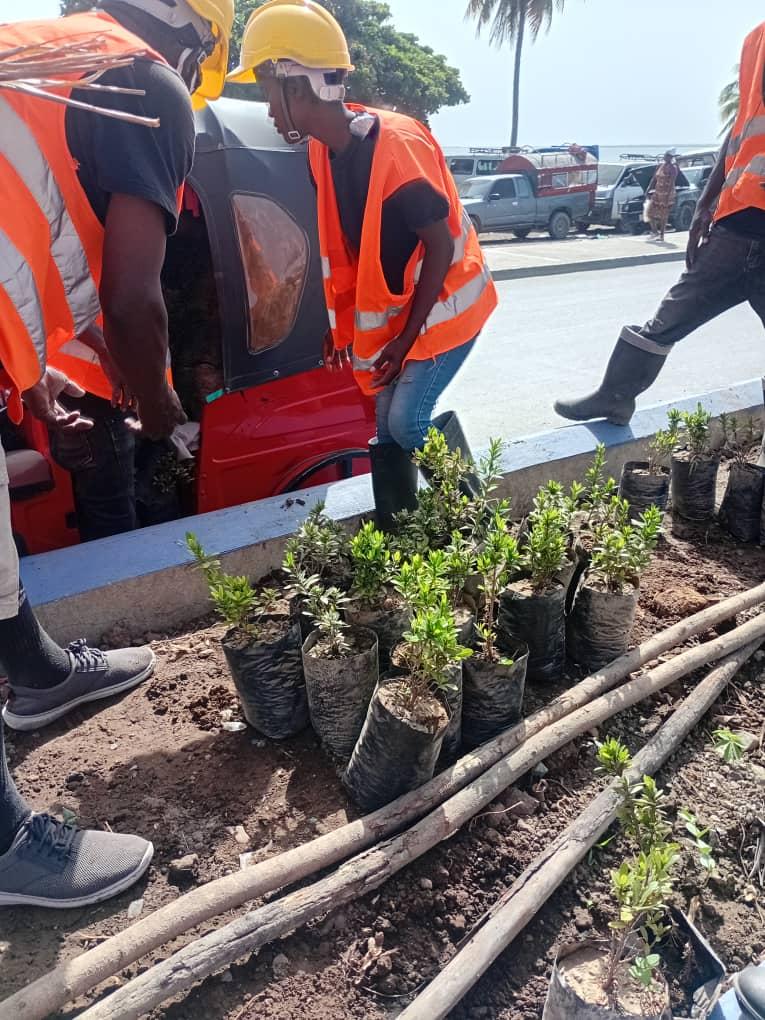
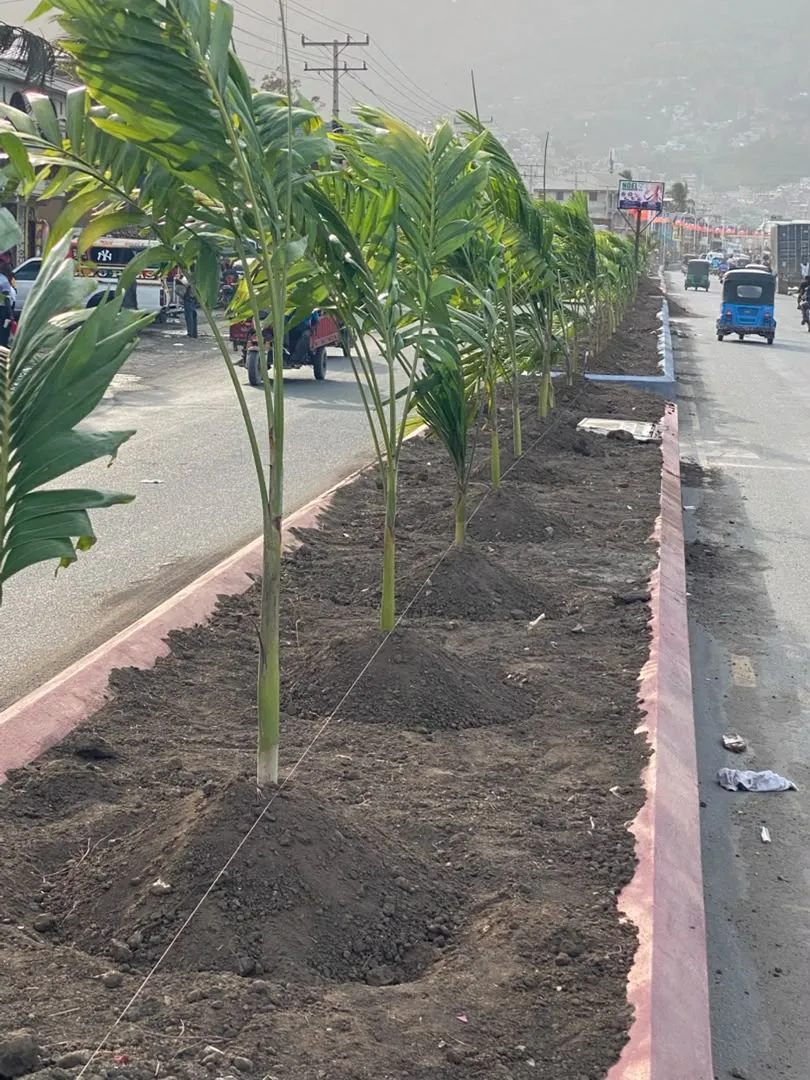
The Mayor's Office has now contributed 130 palm trees and 11 truckloads of soil to support the boulevard restoration.
That contribution matters.
Soil is necessary to rehabilitate medians that have been depleted or neglected, while the palm trees can help establish the visual identity we are working toward: a tropical, green and welcoming boulevard worthy of one of Haiti's most historic cities.
It also represents something larger than the materials themselves.
Community organizations should not have to replace government, and government should not have to work without the participation of its communities. The strongest model is partnership: public institutions contributing resources, local teams providing knowledge and labor, and the diaspora helping mobilize additional funding, visibility and expertise.
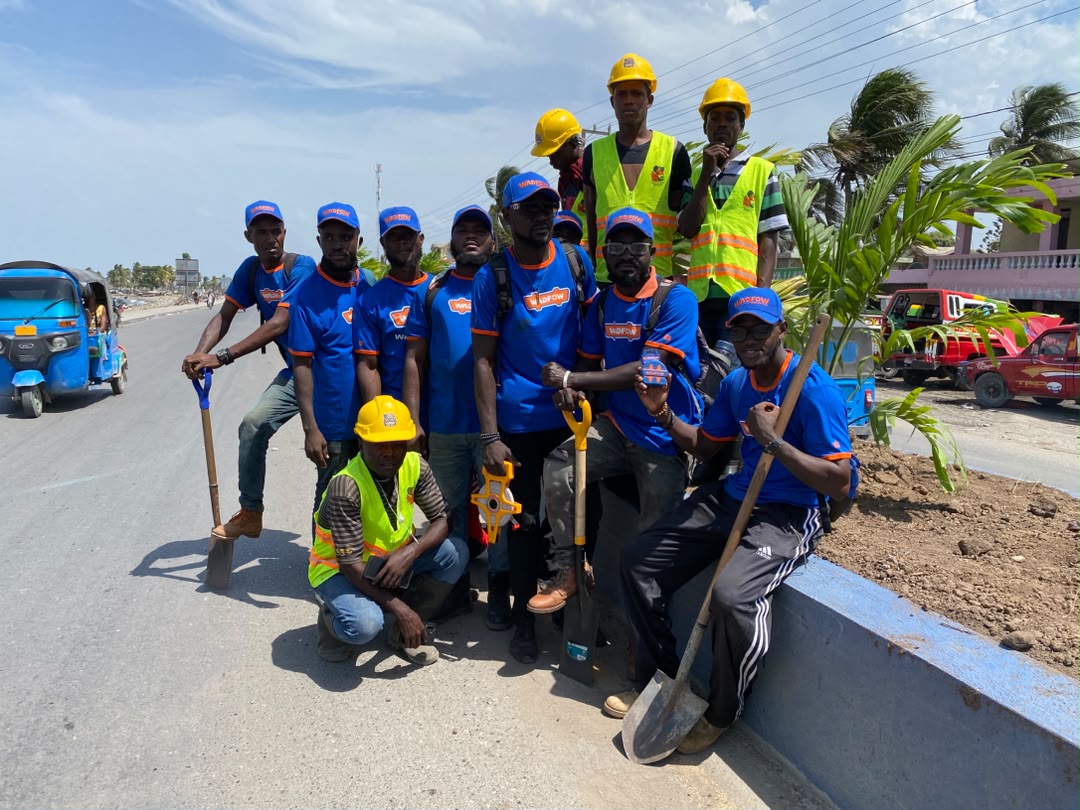
That is the model we want to continue building.
What We Want the Okap Boulevard to Become
When we look at the boulevard today, we do not only see its current condition.
We see what it can become.
Imagine entering Cap-Haïtien along a boulevard where the medians are filled with red ixoras, pink laurier rose and rows of palms creating a recognizable tropical landscape.
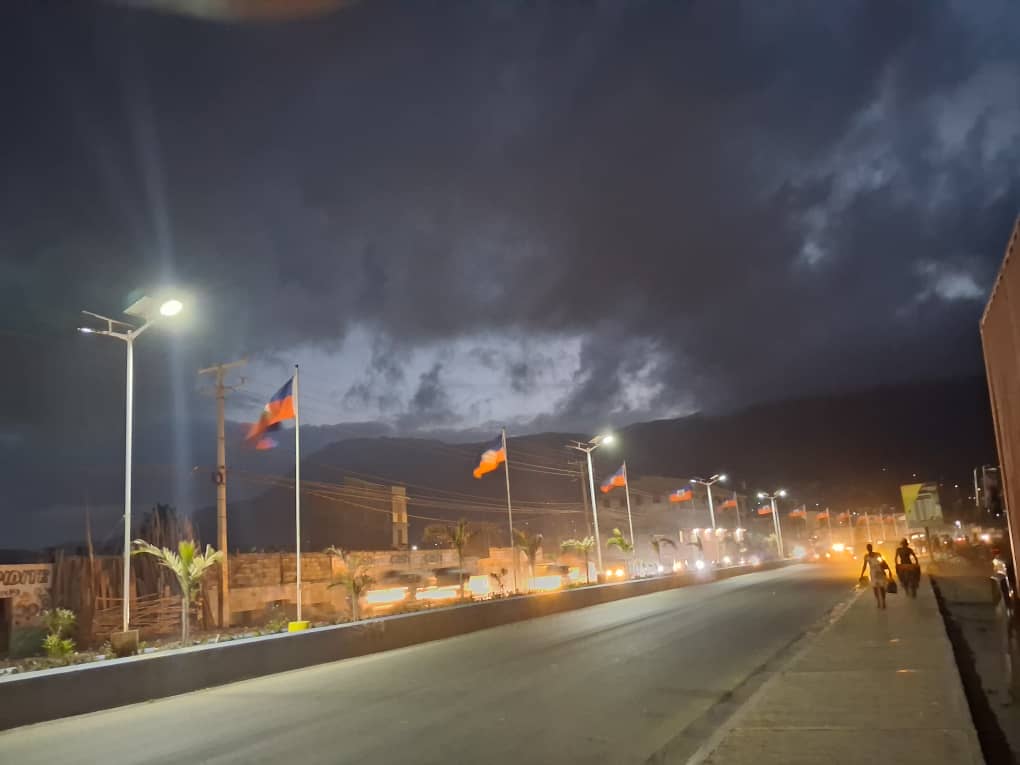
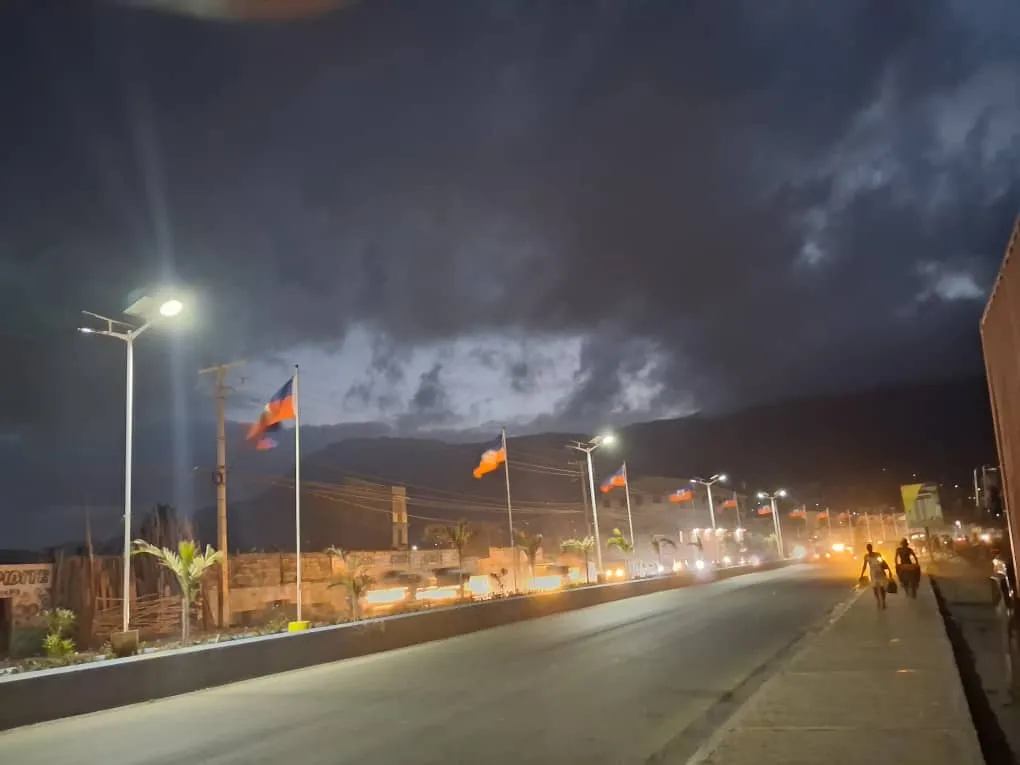
Imagine the boulevard illuminated at night instead of disappearing into darkness.
Imagine traveling along the route and encountering Haitian flags in historical sequence, beginning with the flag associated with Dessalines and continuing through the evolution of Haiti's national symbols. Each installation could eventually include information allowing residents, students and visitors to understand the history represented by the flag in front of them.
The boulevard would no longer simply move people through Cap-Haïtien.
It would tell a story about Haiti.
It could become a place where landscaping, history, tourism and civic pride exist together—an entrance that immediately tells visitors they have arrived somewhere important.
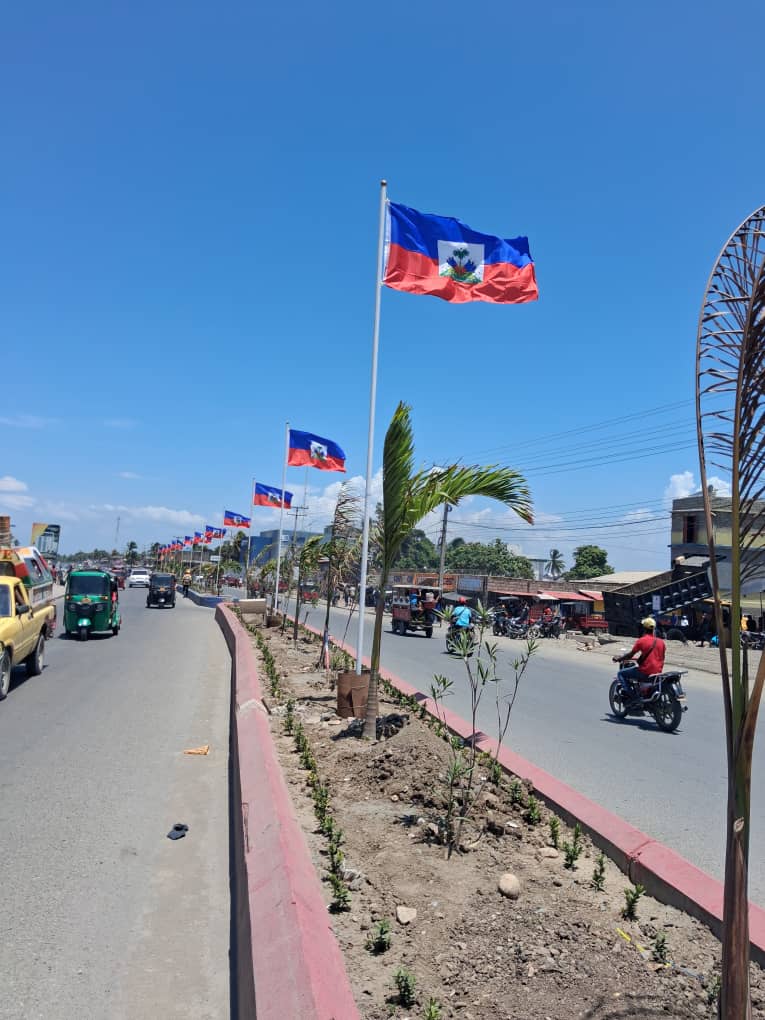
And this is not simply an imagined rendering anymore. Parts of that future are already visible.
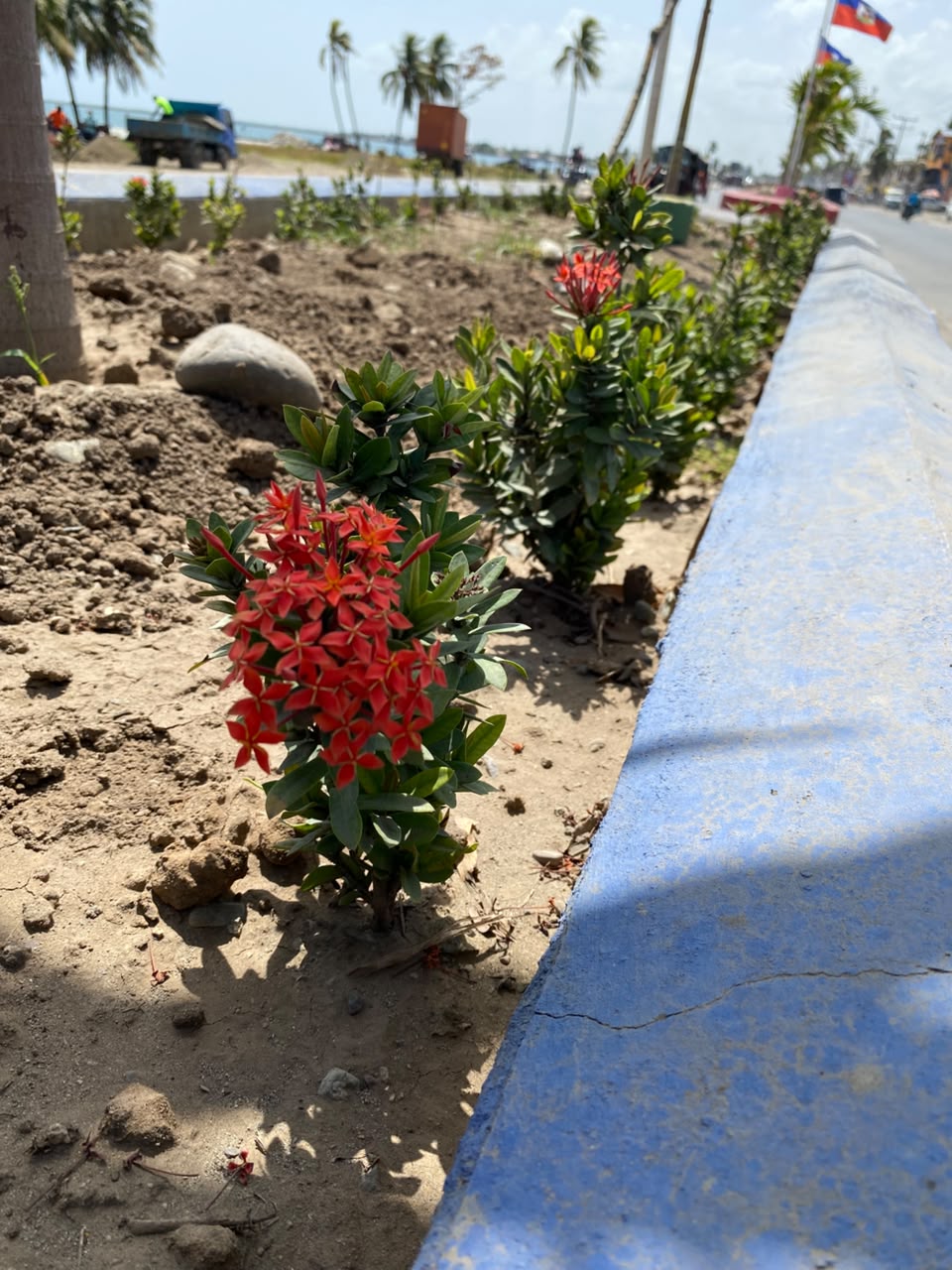
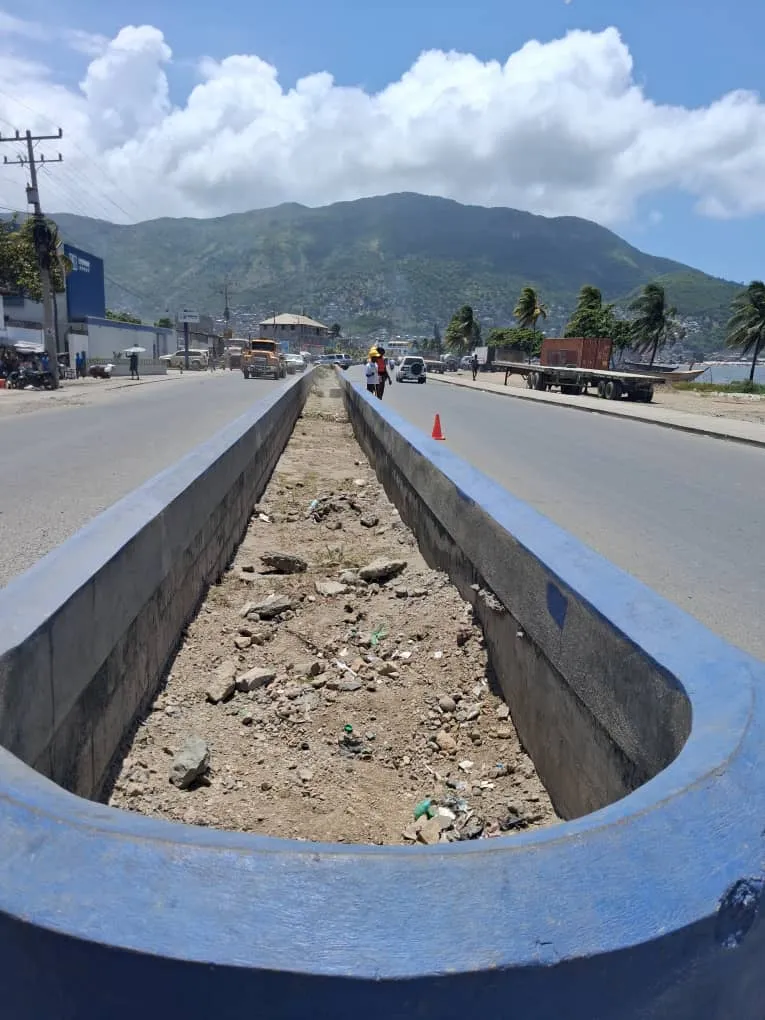
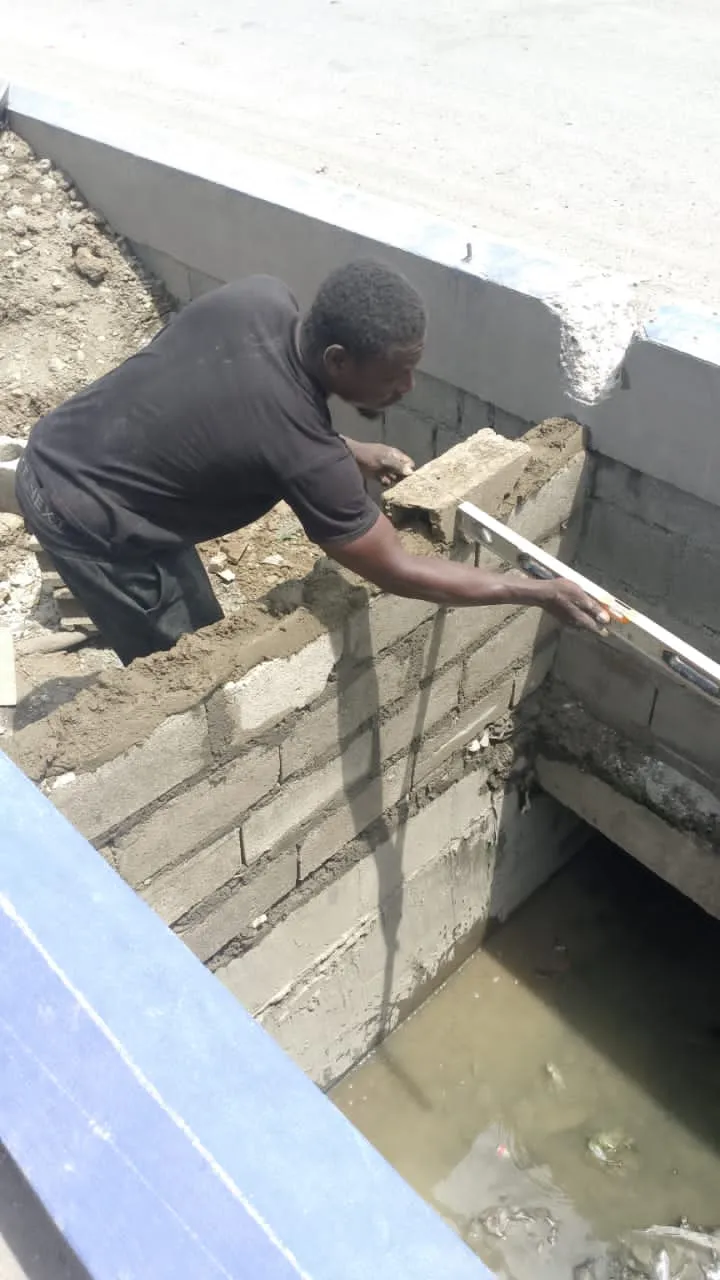
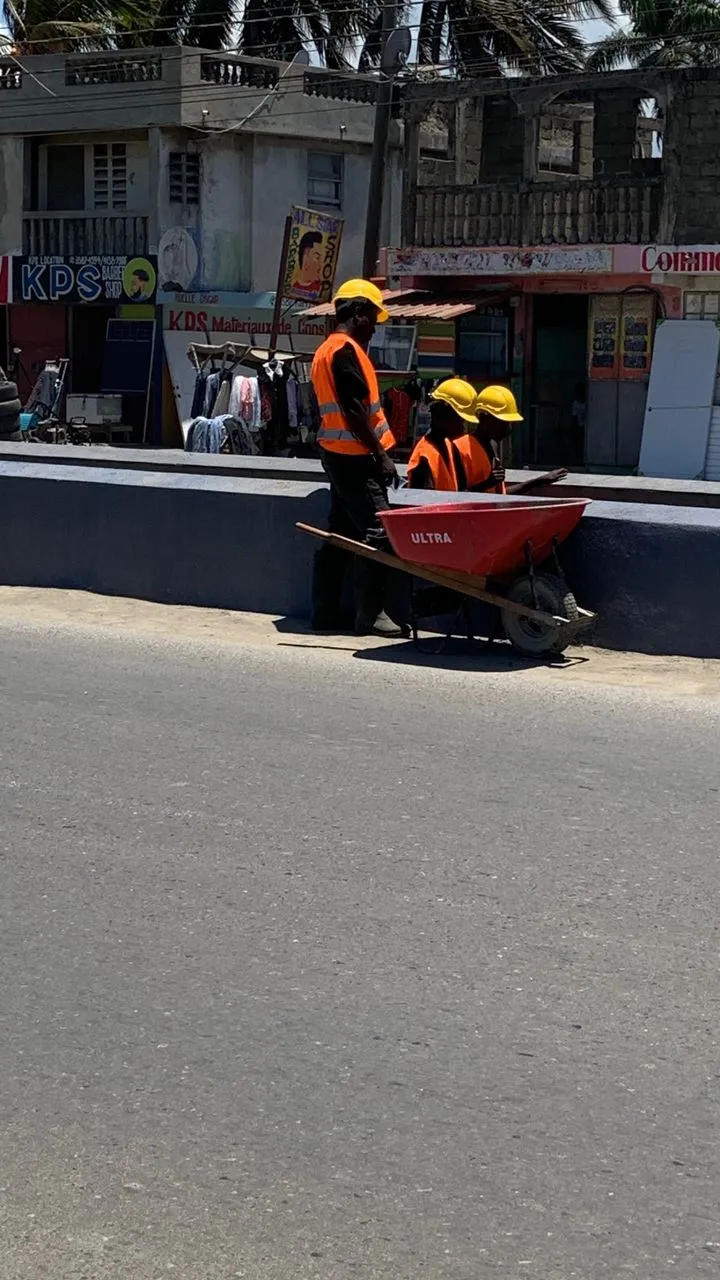
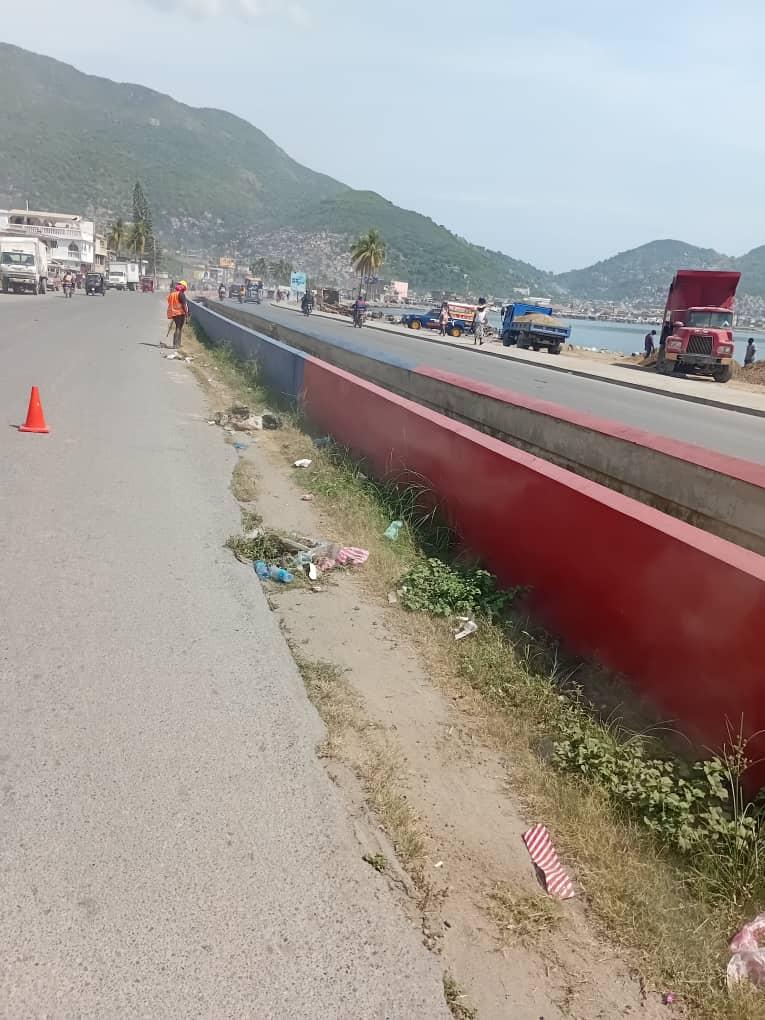
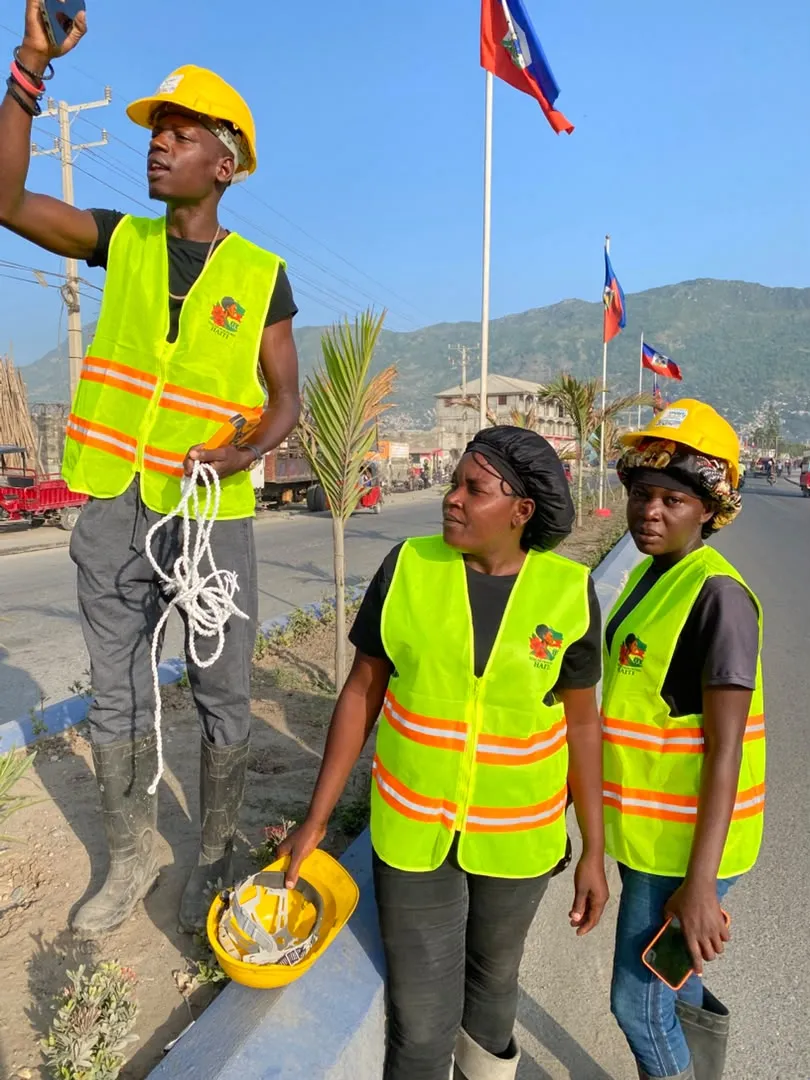
Flowers planted months ago are growing. Palms have been installed. Flagpoles and lighting have begun appearing. Medians that once contained accumulated waste have been cleaned and restored. The contrast between what some areas looked like before and what they look like today gives us a glimpse of what could happen if the same effort is extended across the boulevard.
Beautification Is Also Economic Development
It would be a mistake to dismiss this work as simply planting flowers.
Cities compete for visitors, investment and opportunity partly through how they present themselves. Clean streets, maintained public spaces, lighting, landscaping and recognizable cultural attractions influence how residents experience their city and how visitors perceive it.
Cap-Haïtien already possesses what money cannot manufacture: extraordinary history, architecture, culture, proximity to some of Haiti's most important heritage sites, a coastline and a population deeply connected to the identity of the North.
The question is whether we will take care of what we already possess.
A beautiful litoral can encourage people to spend time there. A well-maintained boulevard can strengthen the experience of arriving in the city. A historical flag installation can become an attraction of its own. Better public spaces can create opportunities for photographers, artists, vendors, guides, restaurants and surrounding businesses.
Beautification alone will not solve Haiti's economic problems.
But neglect certainly will not solve them either.
The Boulevard We Are Building
The ultimate goal is not to create something beautiful for a few months.
It is to establish a new expectation for what the Okap Boulevard should look like.
We want children growing up in Cap-Haïtien to become accustomed to flowers rather than garbage in these medians. We want residents to feel ownership over the spaces being restored. We want visitors entering the city to immediately understand that Cap-Haïtien respects its history and believes in its future.
Most importantly, we want the transformation to demonstrate what can happen when people stop waiting for one person or institution to solve everything.
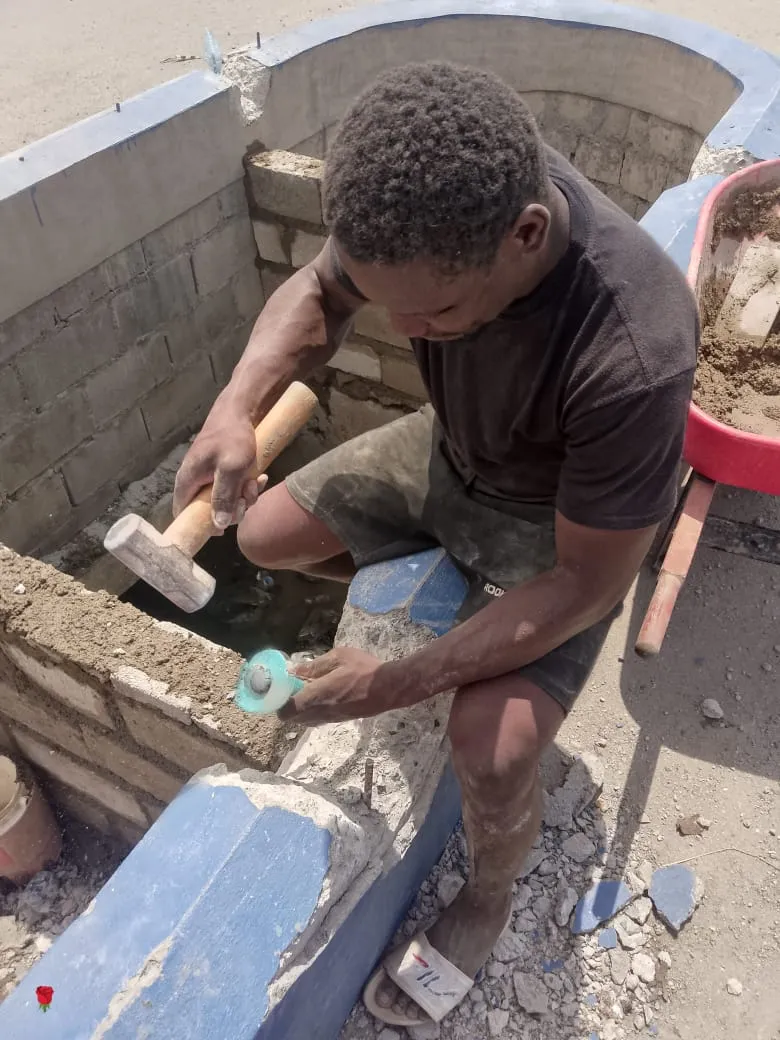
Eugene brings his knowledge and his belief in development. Alland brings the perspective of an artist and a son of Cap-Haïtien who refuses to accept the deterioration of his litoral. The Konbit Okap team brings the daily labor required to turn ideas into something physical. The Mayor's Office is contributing soil and palm trees. Voices From Home Haiti and the diaspora can continue bringing visibility, resources and support.
Different people. Different responsibilities. One boulevard.
That is konbit.
And if we can prove that this model works here, perhaps the greatest thing we build will not be the boulevard itself.
Perhaps it will be the belief that Haitians can still come together, take responsibility for something that belongs to all of us, and transform it.
Men nan men, nou kapab bati yon lòt Okap—epi yon lòt Ayiti.
FOLLOW US


COMPANY
LEGAL
Copyright 2026. Voices From Home. All Rights Reserved.