Isemaison’s Fight to Survive
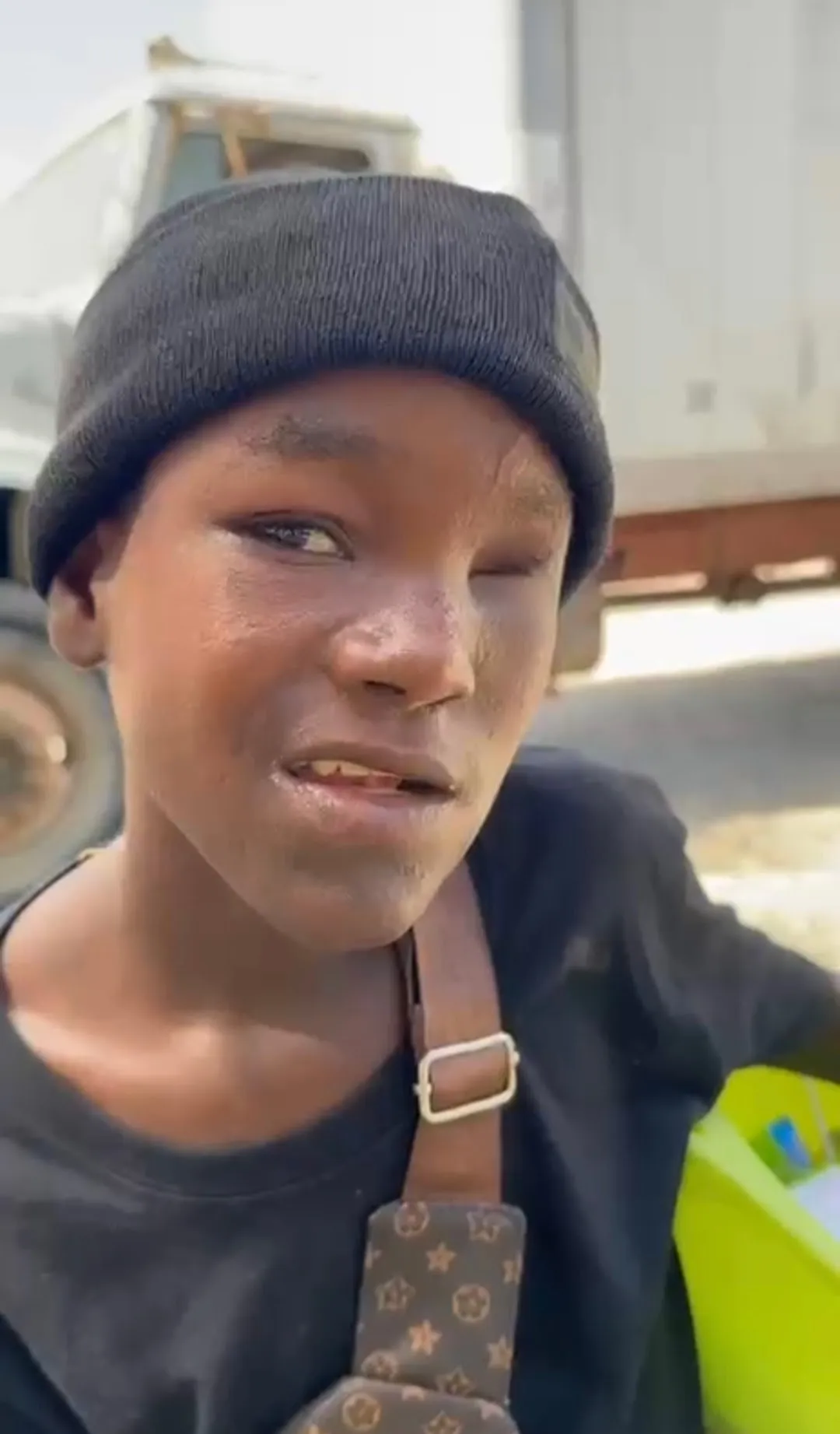
Isemaïson se non jèn ti gason sa kap viv ak yon zye li Pete nan aksidan machin men kap vann sirèt sou plas dàm Okap la ki mande pou edel peye lekòl li, Isemaïson fè konnen depi yon moun edel peye lekòl lap remèsye l. - Altidor Wilson
Isemaison’s Fight to Survive: Haiti Cannot Claim to Love Its Future While Abandoning Its Children
On the streets of Cap-Haïtien, commonly known as Okap, a young boy named Isemaison moves between vehicles selling candy to survive.
He is not working to buy the latest toy or earn extra spending money. Both his mother and father are dead. He has a brother and a sister, attends school when circumstances allow, and carries responsibilities that no child should have to bear alone.
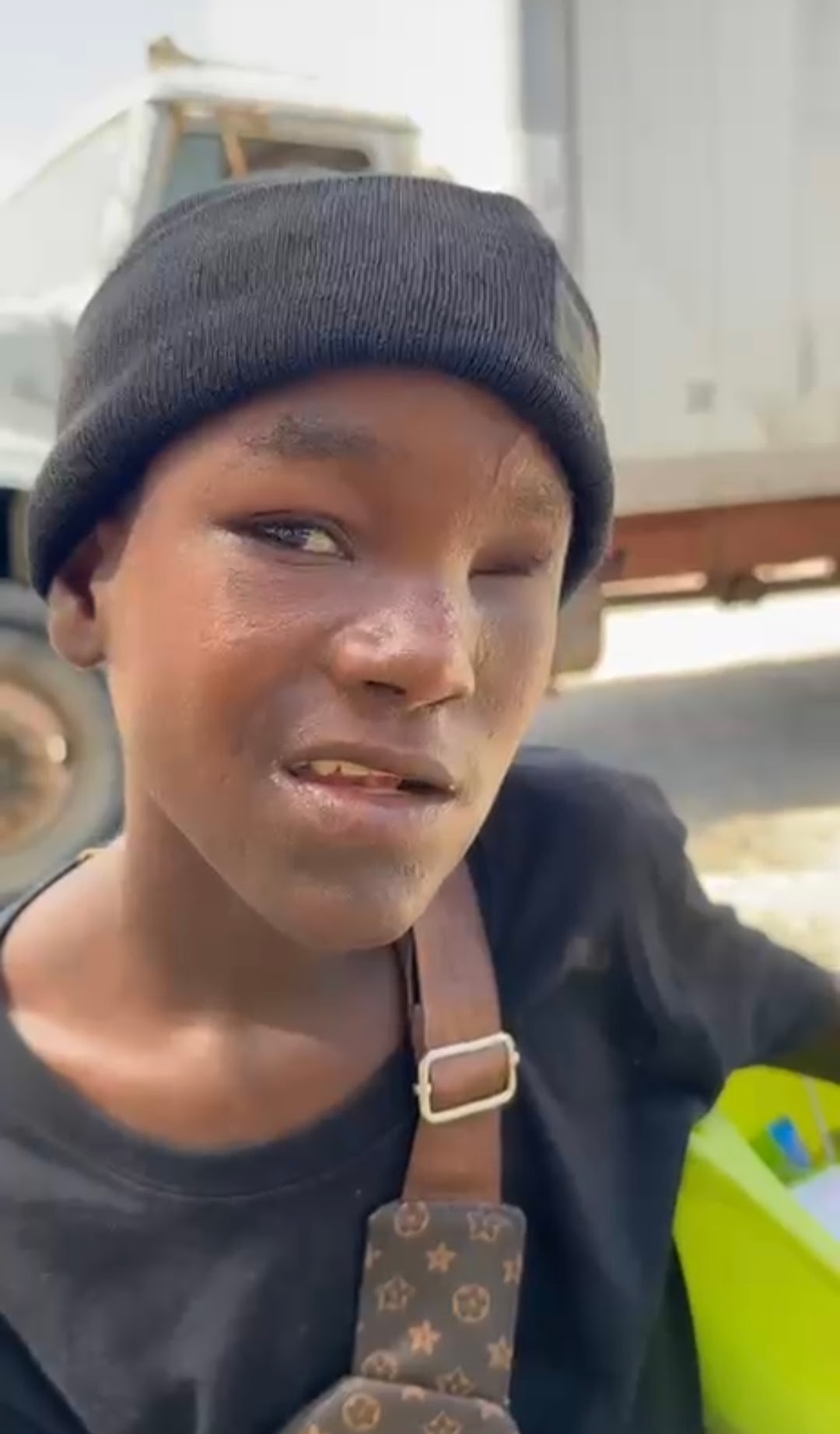
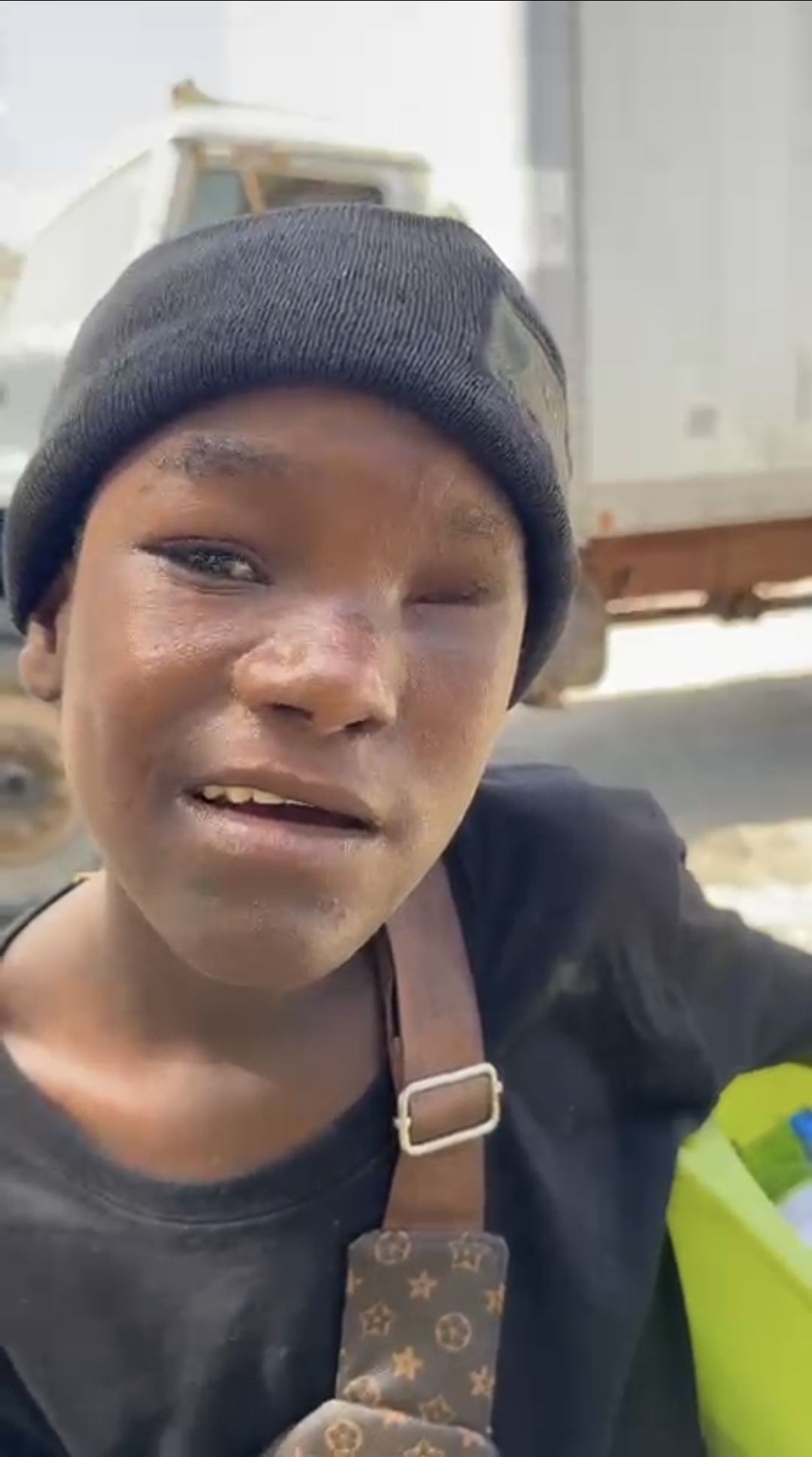
Isemaison is also living with a severely injured eye.
During a brief street interview, he explained that his eye was damaged in a motor-vehicle accident. Although the injury still requires medical attention, he is no longer regularly visiting a hospital to have it examined and cleaned. When asked why, he could not provide a clear explanation.
For an orphaned child struggling to survive, medical treatment may feel impossibly far away. Reaching a hospital requires transportation, money, a responsible adult, and access to professionals who can provide continuing care. Isemaison appears to have none of those protections consistently available to him.
Yet every day, he goes into the streets and tries again.
Imagine surviving the streets without your sight
Most adults would find it frightening to move between cars, negotiate with strangers, protect their earnings, locate food, and find a safe place to sleep. Now imagine doing all of that as a child who has lost both parents and is unable to see properly through one eye.
It is difficult to comprehend the fear, exhaustion, and vulnerability that can accompany that life.
Isemaison’s determination deserves recognition. His willingness to work and continue fighting for survival demonstrates extraordinary courage. But we must be careful not to romanticize his suffering. A child should not have to demonstrate extraordinary strength simply to eat, receive medical treatment, or remain alive.
He should be protected, not praised and then forgotten.
When asked what he would say to someone willing to help him, Isemaison’s answer was simple: he would say thank you.
Behind those few words is a child asking to be seen.
Istwa Isemaison se pa sèlman istwa yon timoun ki blese. Se istwa yon jèn gason k ap lite pou l siviv apre li pèdi manman li ak papa li. Se yon rapèl ke dèyè chak timoun nou wè ap vann nan lari, gen yon lavi, yon fanmi, yon doulè ak rèv ki merite atansyon nou. - Blandine Joyeux
Isemaison is not alone
Reliable national statistics specifically counting children living and working on Haiti’s streets remain limited. These children are mobile, frequently undocumented, and often absent from official systems. That lack of reliable data is itself part of the crisis: children who are not properly counted are easier for institutions and society to overlook.
The broader evidence, however, reveals the scale of the danger confronting Haiti’s children. In October 2025, UNICEF reported that more than 3.3 million Haitian children required humanitarian assistance, while approximately 680,000 children had been displaced by violence. More than one million children were facing critical food insecurity, and nearly 289,000 children under five were projected to experience acute malnutrition. UNICEF
The restavèk system represents another dimension of the emergency. Under this practice, children—frequently from impoverished or vulnerable families—are sent to live in other households, often with the promise that they will receive food, shelter, or education. Many instead become unpaid domestic workers and may experience physical abuse, sexual violence, isolation, and exclusion from school.
Estimates have varied over time, but international reporting has placed the number of Haitian children in domestic servitude in the hundreds of thousands. The International Labour Organization has cited estimates approaching 300,000 restavèk children, while earlier assessments found that only a small proportion received meaningful access to education. International Labour Organization
Whether a child is sleeping in the street, selling goods between moving vehicles, displaced by violence, or working without protection inside someone’s home, the underlying failure is similar: adults and institutions have allowed that child to become responsible for his or her own survival.
The unbearable weight of being an orphan
Losing one parent can transform every part of a child’s life. Losing both can mean the disappearance of emotional security, financial support, medical advocacy, and the adult protection that stands between a child and exploitation.
An orphaned child may be forced to grieve while simultaneously worrying about food, shelter, school fees, personal safety, and younger siblings. Without dependable adult care, children face greater exposure to homelessness, trafficking, forced labor, abuse, armed-group recruitment, and permanent separation from education.
For children with disabilities or serious medical conditions, those risks become even greater. A visual impairment can make it harder to navigate traffic, recognize danger, protect oneself from violence, or identify the people offering genuine help.
Isemaison should not have to choose between seeking medical care and earning enough money to survive. His childhood should not be spent walking through traffic with candy in his hands and an untreated injury in his eye.
Haiti’s children cannot remain an afterthought
People frequently speak about loving Haiti. We speak proudly about Haiti’s history, culture, independence, resilience, mountains, beaches, and extraordinary potential. We advocate for political reform, security, economic development, tourism, infrastructure, and investment.
But any vision for Haiti that excludes its most vulnerable children is incomplete.
Those who say they care about Haiti must also care about the children living and working in its streets. They must care about orphans, children with disabilities, displaced children, and children trapped in the restavèk system. Caring cannot end with expressions of sadness after watching a video. It must become protection, policy, funding, medical care, education, safe housing, and long-term accountability.
The Haitian government must strengthen child-protection institutions and enforce laws against abuse, trafficking, and domestic servitude. Municipal authorities must develop ways to identify and protect street-connected children. Schools, hospitals, community organizations, churches, businesses, and members of the diaspora must help create pathways that move children away from dangerous labor and toward stable care.
Assistance must also be responsible. Helping Isemaison should begin with verifying his circumstances, locating a safe and trustworthy guardian, arranging a professional medical examination, and determining what continuing treatment he needs. Any fundraising or intervention involving him must protect his dignity, privacy, safety, and long-term well-being.
Caring about Haiti means caring about Isemaison
Isemaison’s effort to survive is immense, and he deserves our deepest respect. But survival alone is not the future Haiti should offer him.
He deserves medical treatment for his eye. He deserves a safe home, consistent meals, an education, responsible adult care, and the freedom to experience childhood without wondering whether he will earn enough money that day.
Children like Isemaison are not disposable, invisible, or someone else’s responsibility. They are Haiti’s children. Their lives must matter as much as every speech, political campaign, development proposal, and patriotic declaration made in Haiti’s name.
If we truly care about Haiti, we must care about the child standing between cars selling candy.
We must see him. We must protect him. And we must build a country in which no child is left alone in the streets to fight for survival.