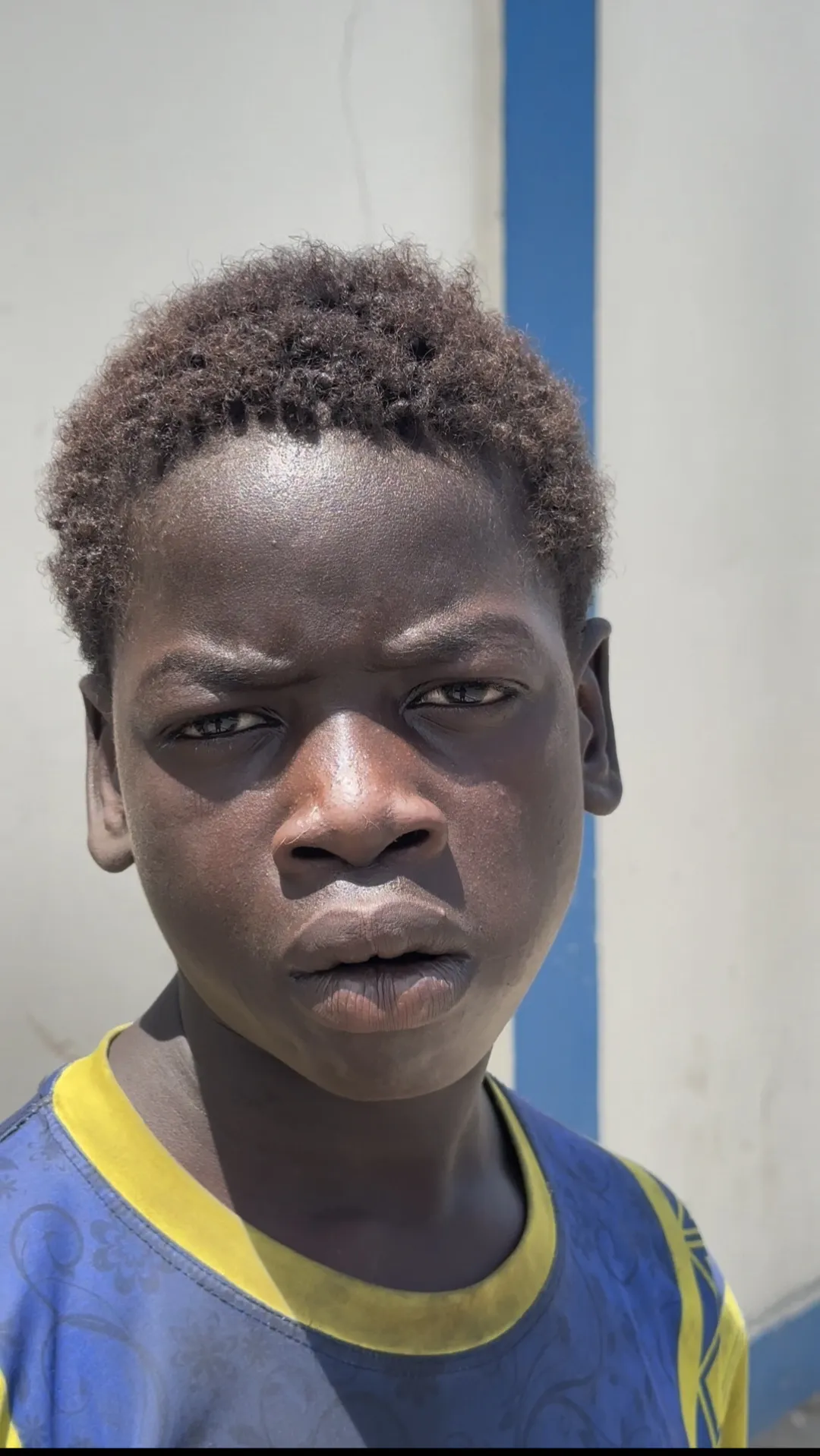
Odinel's Story: From Mirebalais to the Streets of Okap
“Gang fè m kouri kite fanmi m. Se nan mache m ap dòmi nan vil Okap.”
- Odinel
The Harsh Reality of Haiti’s Street Children: When Survival Replaces Childhood
By Blandine Joyeux | Voices From Home Haiti
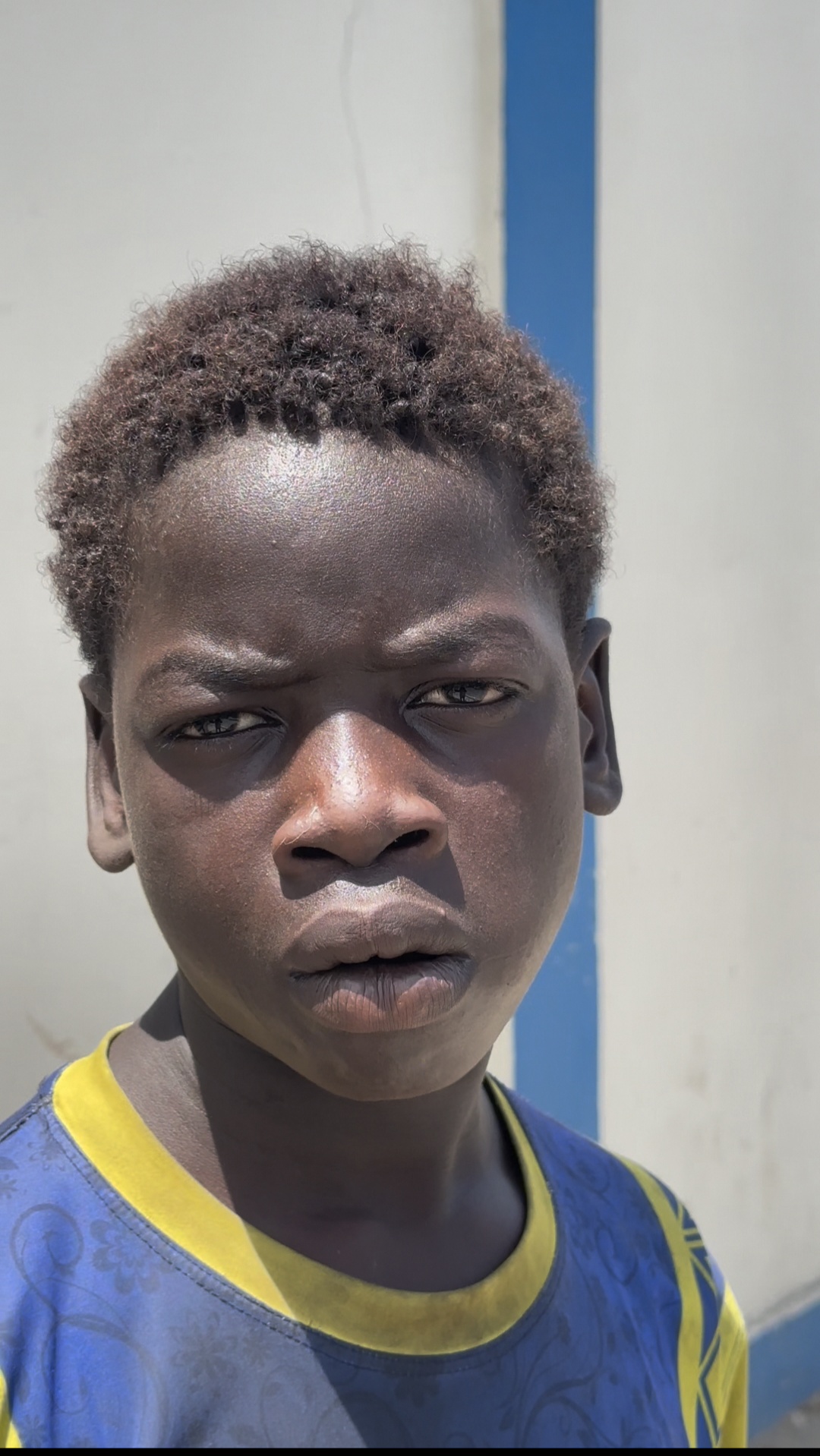
There are images in Haiti that are difficult to forget. Among them are the children we see on the streets—children carrying buckets, cleaning windshields, selling whatever they can, asking strangers for money or food, and sometimes simply sitting along the roadside with nowhere else to go.
We see them so often that there is a danger in becoming accustomed to their presence.
But there is nothing normal about a child having to negotiate with the streets for survival.
Behind every child we pass is a story we probably do not know. Some have families struggling under extreme poverty. Some have been displaced. Some work on the streets during the day. Some have been separated from parents or caregivers. Others are escaping abuse or living in circumstances where the adults responsible for them simply cannot provide what they need.
Their situations are different, but they share something fundamental: childhood has become secondary to survival.
Haiti's Children Are Carrying a Crisis They Did Not Create
The numbers help us understand the magnitude of what we are witnessing. By the beginning of 2026, UNICEF estimated that approximately 2.6 million children in Haiti needed humanitarian assistance. Around half of the country's 1.4 million internally displaced people were children, while violence had disrupted education on an extraordinary scale. More than 1,600 schools were reported closed during the 2024–2025 academic year, depriving more than 240,000 students of learning.
Hunger compounds everything. UNICEF previously estimated that millions of Haitian children were experiencing significant food insecurity, with more than one million facing emergency levels in 2025.
And the danger does not end with hunger or homelessness. Armed groups have increasingly exploited children's vulnerability. UNICEF reported that child recruitment and use by armed groups increased dramatically during 2025, in an environment where poverty, displacement and collapsing services have made children easier to exploit.
When we talk about Haiti's security crisis, therefore, we cannot talk only about guns, gangs and politicians. We have to talk about the children growing up inside that crisis.
What Neglect Does to a Child
In a previous Voices From Home Haiti article, “Why Haiti's Diaspora Matters More Than Ever,” I wrote:
“When everything around you appears abandoned, eventually you can begin feeling abandoned too.”
That statement becomes even more painful when we apply it to children.
What does a child learn when the street becomes their workplace before they have finished school? What does a child begin to believe about their own worth when adults repeatedly walk past them? What happens when hunger becomes more immediate than education and survival becomes more important than dreaming?
We cannot look at a child hardened by the streets years later and pretend that the environment that raised that child had nothing to do with who they became.
I wrote in that same article that “neglect creates resentment” and “trickery creates suspicion.” Those realities do not suddenly begin in adulthood. Children absorb the environments in which we raise them.
This does not mean poverty determines someone's character. Haiti is filled with extraordinary people who have emerged from unimaginable circumstances. It means we cannot continuously expose children to abandonment, violence, exploitation and instability and then act surprised by the social consequences.
Odinel's Story: From Mirebalais to the Streets of Okap
Behind these statistics are real children and adolescents, each carrying a story that numbers alone cannot tell. Odinel is one of them.
Odinel is an adolescent who says gang violence forced him to flee Mirebalais and leave his family behind. He eventually made his way north to Cap-Haïtien, but reaching Okap did not mean reaching safety or stability. According to Odinel, he now sleeps in a market in the city because he has nowhere else to call home.
In his own words, “Gang fè m kouri kite fanmi m. Se nan mache m ap dòmi nan vil Okap.”
His story forces us to confront what displacement actually looks like beyond statistics. It can look like a teenager separated from his family, arriving alone in another city and finding himself sleeping in a marketplace. He escaped the immediate threat of gang violence, but what came afterward was another struggle: homelessness, uncertainty and the daily reality of having to survive without the protection and stability every young person deserves.
Odinel's experience is also a reminder that the consequences of Haiti's insecurity do not remain within the communities where violence begins. When families are displaced, the effects travel with them—to Cap-Haïtien and other communities across the country. Cities receiving displaced people are increasingly confronted with needs for housing, education, food, employment and protection that they may already lack the resources to provide.
When we say Haiti's children are carrying a crisis they did not create, this is what we mean. Odinel did not create the violence that forced him from Mirebalais. He did not create Haiti's political instability or economic crisis. Yet he is among those being asked to carry their consequences.
We Cannot Normalize This
Perhaps one of Haiti's greatest dangers is our ability to adapt to conditions that should outrage us.
We adapt because we have to.
We become accustomed to garbage.
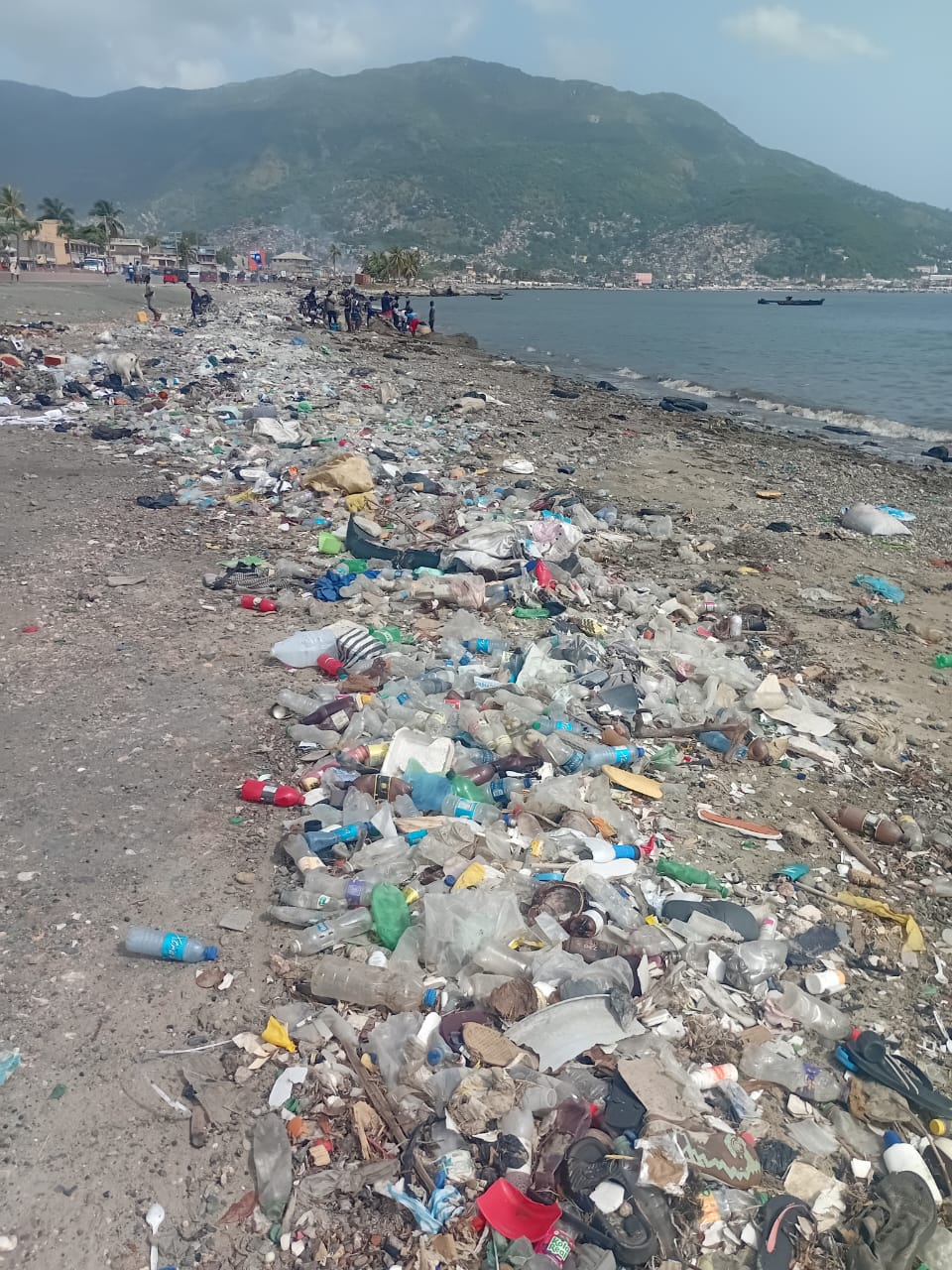
We become accustomed to broken roads.
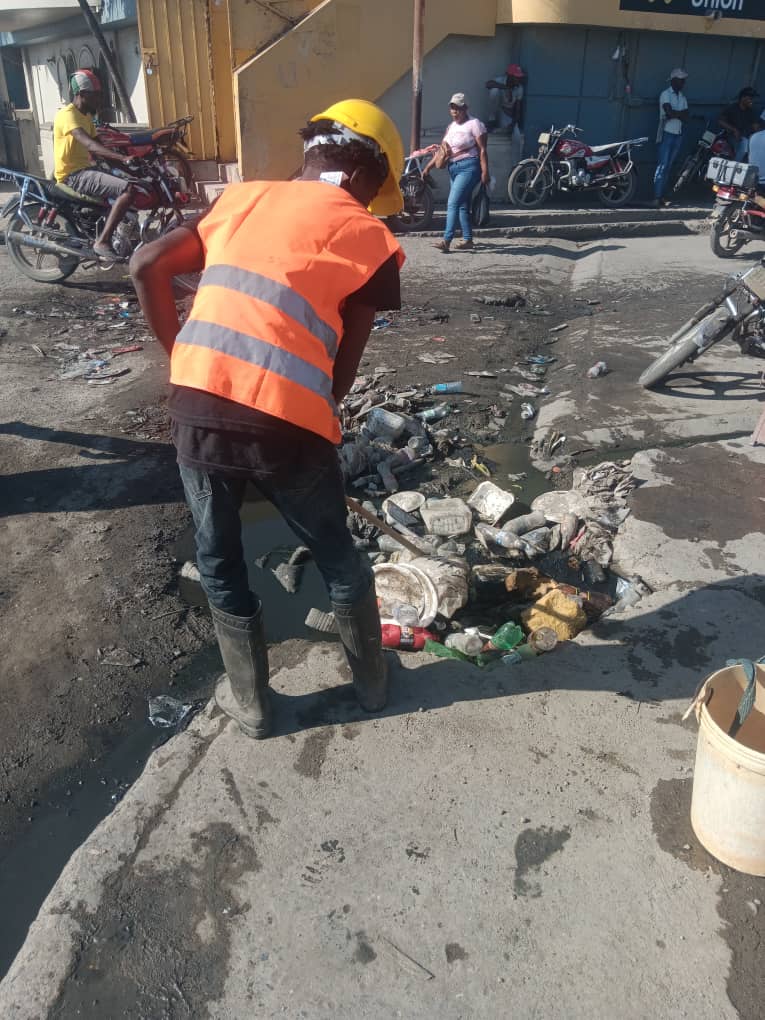
We become accustomed to insecurity.
We become accustomed to children asking for money at intersections.
Eventually, something extraordinary becomes ordinary.
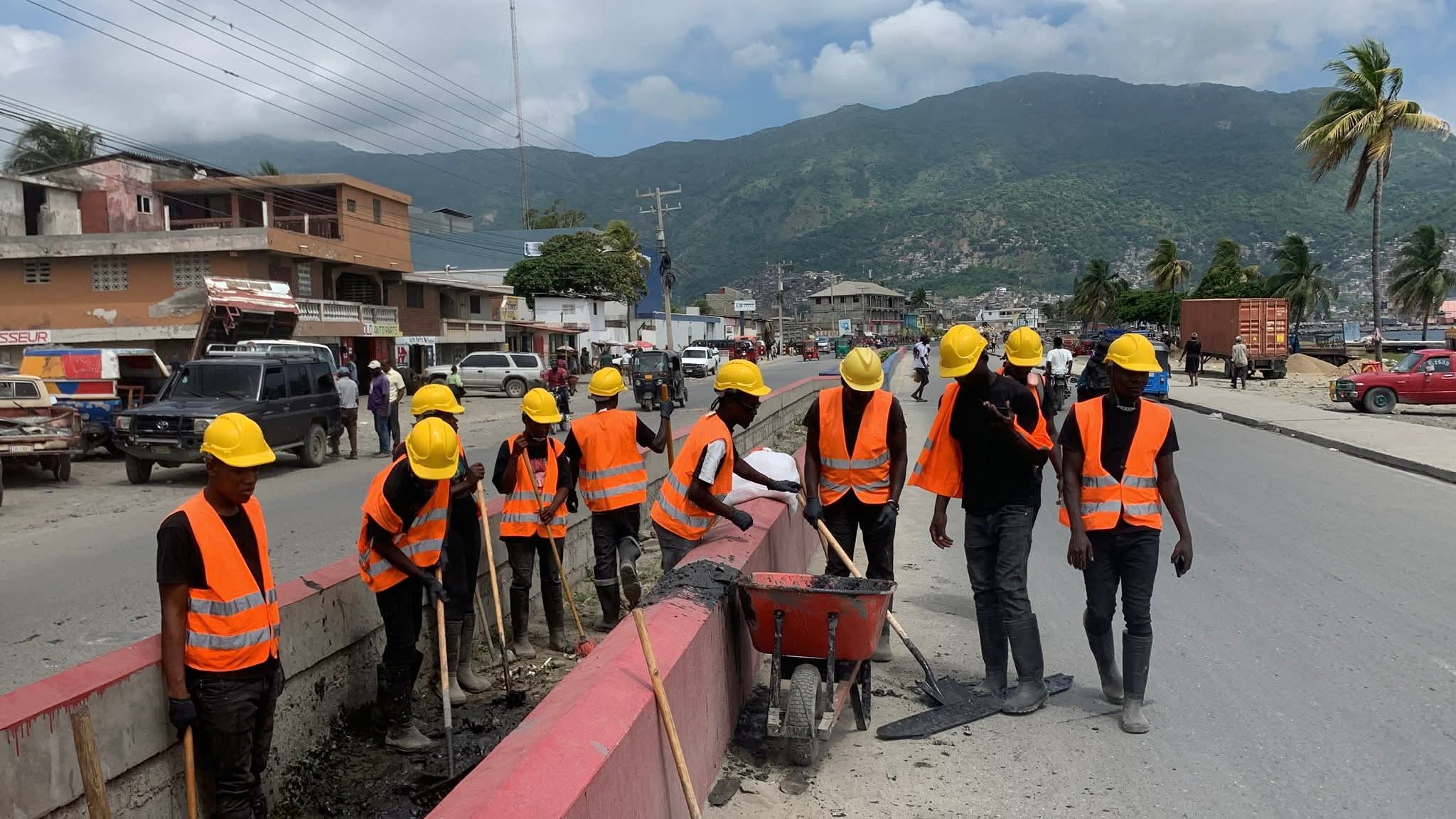
That is the same mentality we have been confronting through our work with Konbit Okap on the Okap Boulevard. A neglected public space can remain neglected for so long that people stop imagining it differently. Then someone cleans it. Someone brings soil. Someone plants flowers. Someone maintains it. Suddenly, people remember that the space was never supposed to look abandoned in the first place.
Children are obviously not infrastructure, and their circumstances require far more complex solutions. But the underlying lesson about normalization matters.
We cannot allow neglect to become invisible simply because we see it every day.
The Fight for Haiti Must Include Its Children
When we speak about rebuilding Haiti, we frequently talk about roads, electricity, tourism, agriculture, investment, security and government reform.
All of those things matter.
But what exactly are we rebuilding if an entire generation of children grows up believing that Haiti has no place for them?
A serious national rebuilding strategy must include functioning schools, nutrition, family support, child protection, safe housing, mental-health services, vocational opportunities and pathways for displaced and street-connected children to return to stable environments.
The diaspora has a role here as well.
In “Why Haiti's Diaspora Matters More Than Ever,” I wrote about the enormous reservoir of Haitian talent spread throughout the world: engineers, developers, doctors, teachers, architects, journalists, entrepreneurs, artists, investors, tradespeople, technology professionals and organizers.
That network can do more than send remittances.
Imagine Haitian educators abroad partnering with schools in Haiti. Imagine psychologists and social workers helping develop trauma-informed programs. Imagine entrepreneurs funding apprenticeships for vulnerable teenagers. Imagine technology professionals creating transparent systems through which donors can support individual programs and actually see outcomes.
The solution cannot simply be removing a child from a street corner. We have to address why that child ended up there.
They Are Not Haiti's Lost Generation
I refuse to describe these children as a lost generation.
Calling them lost suggests that we have already accepted the outcome.
They are still here.
They are watching us.
They are learning from what Haiti shows them every day.
And they deserve the opportunity to experience something other than survival.
Rebuilding Haiti means rebuilding the conditions that allow Haitians to believe in their own future. And there can be no credible conversation about Haiti's future without protecting the people who will inherit it.
A child should not have to become an adult simply to survive another day.
These children are not somebody else's responsibility.
They are Haiti's children. And Haiti cannot be rebuilt while leaving them behind.