
Konbit Okap: Restoring Cap-Haïtien Through Community Action
" Parizien remains convinced that Haiti will one day rise again and through Konbit Okap, he is helping make that belief visible, one restored public space at a time."
What Is Konbit Okap?
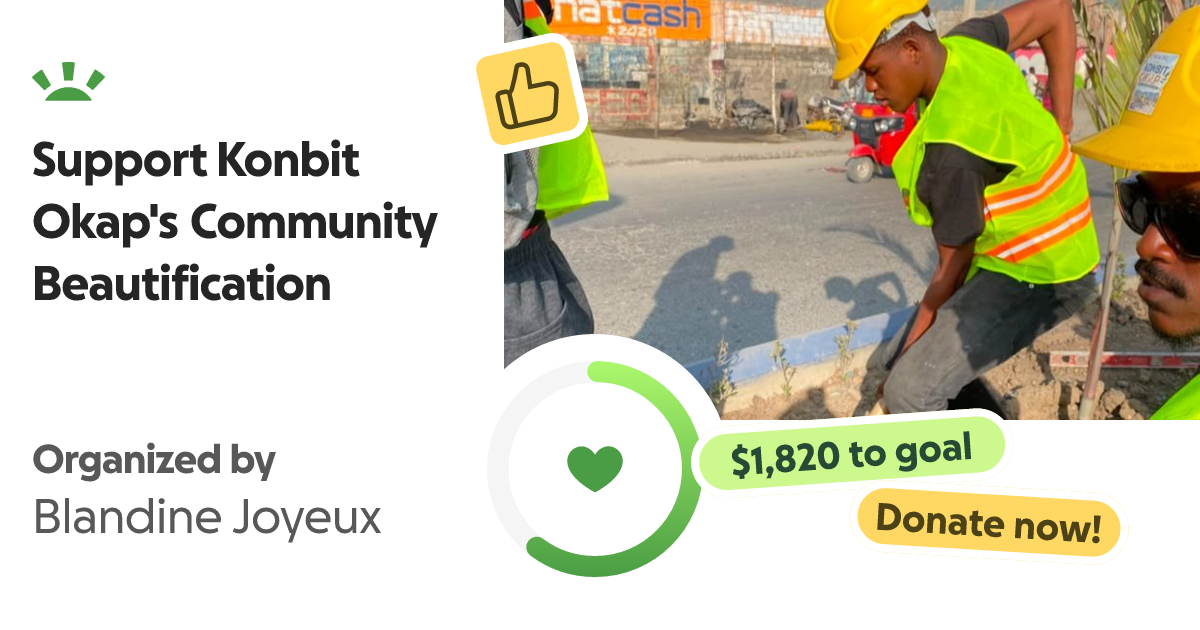
Konbit Okap is a grassroots community restoration initiative in Cap-Haïtien, Haiti, built around the Haitian tradition of konbit—people coming together to work collectively for the good of their community.
DONATE TO KONBIT OKAP ON GOFUNDME →
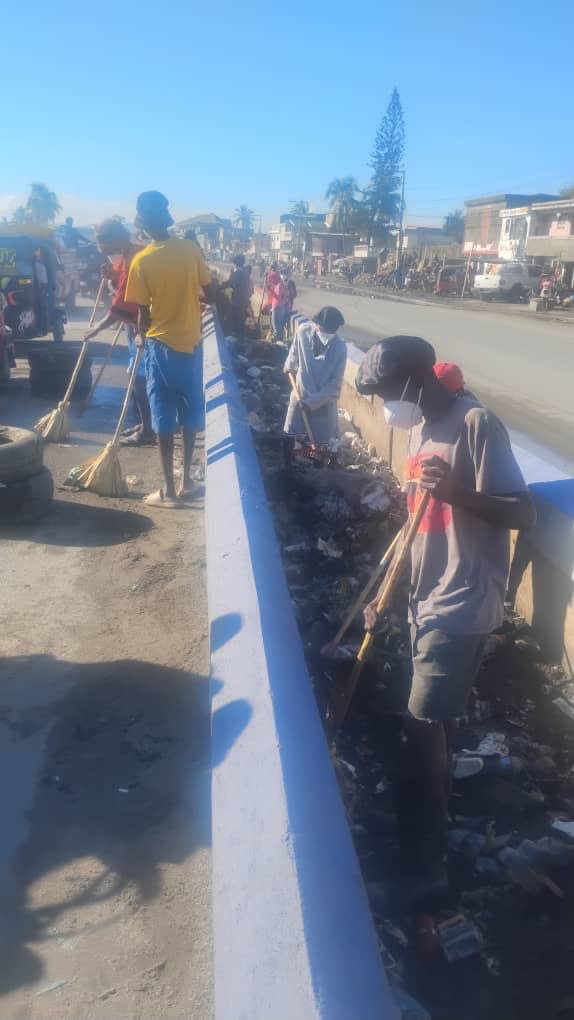
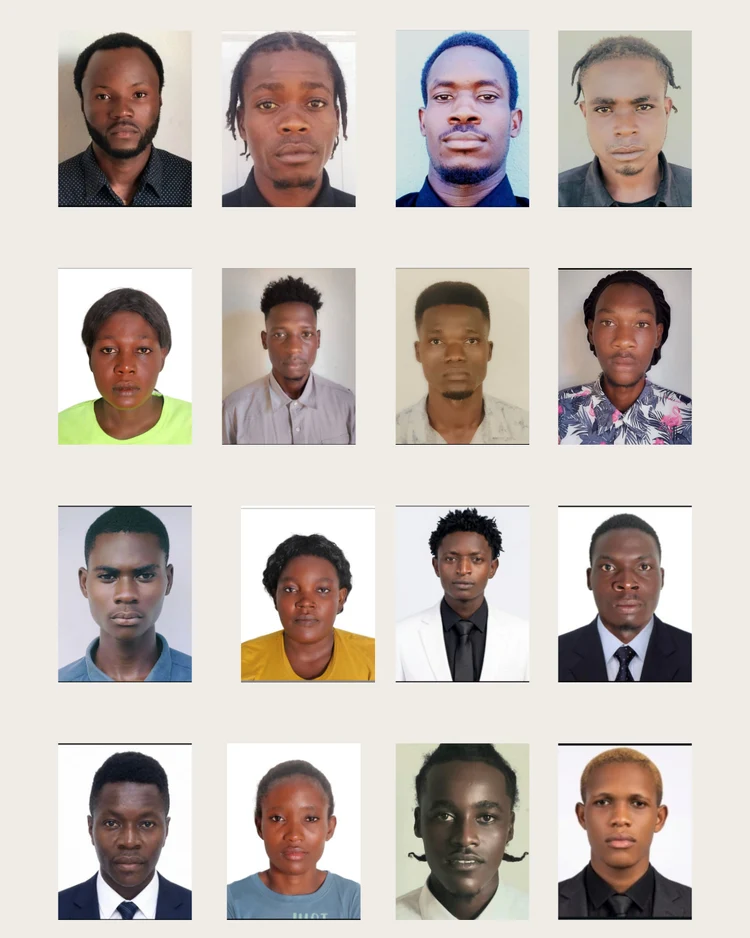
The initiative originally began as a 30-day restoration effort with a team of 16 local workers. The initial mission was focused and practical: clean a neglected section of the Cap-Haïtien Boulevard and surrounding beach area, remove accumulated trash and debris, restore the medians, and begin transforming the area into a cleaner, safer, and more beautiful public space.
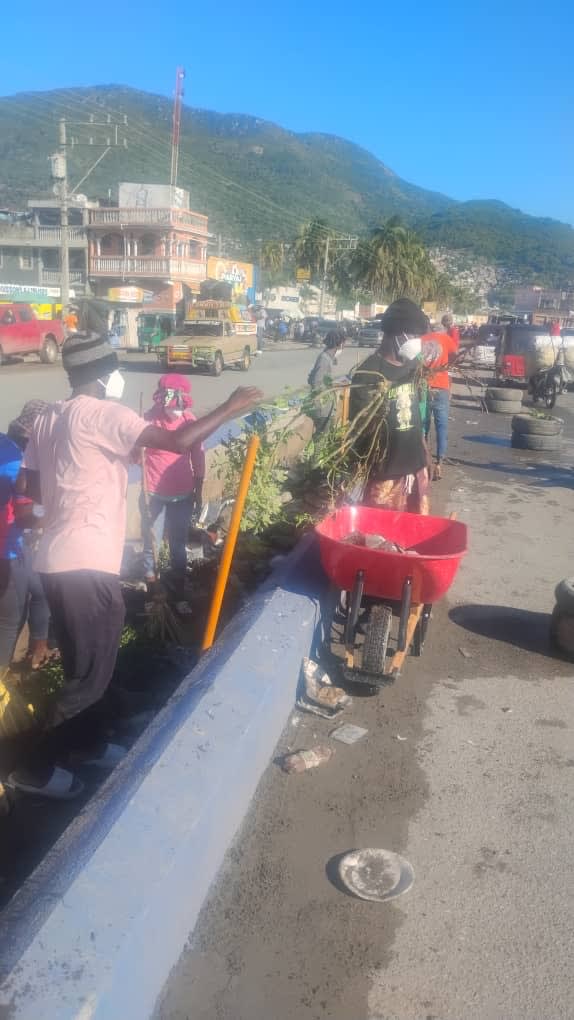
The original project was organized in two phases. Phase One focused on cleaning and debris removal, while Phase Two focused on restoration and beautification, including preparing the medians, adding soil and mulch, and planting flowers, trees, and palms.
What was originally envisioned as a 30-day effort did not stop there.
DONATE TO KONBIT OKAP ON GOFUNDME →
As the work expanded, the Konbit Okap team grew from 16 workers to 21 local workers, and the mission evolved into an ongoing effort to restore and maintain the boulevard and other public spaces in Cap-Haïtien.
Since the beginning, the Voices From Home Haiti community supported the Konbit Okap team and helped mobilize support for their work. My involvement has included fundraising, helping cover worker salaries, securing materials and resources, engaging the Haitian diaspora, documenting and promoting the work through social media, and building relationships that can help the initiative continue.
The 21 workers are the foundation of Konbit Okap. They are the people physically doing the work on the ground, cleaning streets and public spaces, removing debris, preparing medians, moving soil, planting flowers and trees, maintaining restored areas, and returning day after day to protect the progress already made.
The original labor model also created direct economic opportunity for local residents. Workers were initially paid 1,500 gourdes per day, meaning the original 16-person team required 24,000 gourdes in wages for every full day of work. As the team expanded to 21 workers, supporting sustainable wages became an even more important part of keeping the initiative operating.
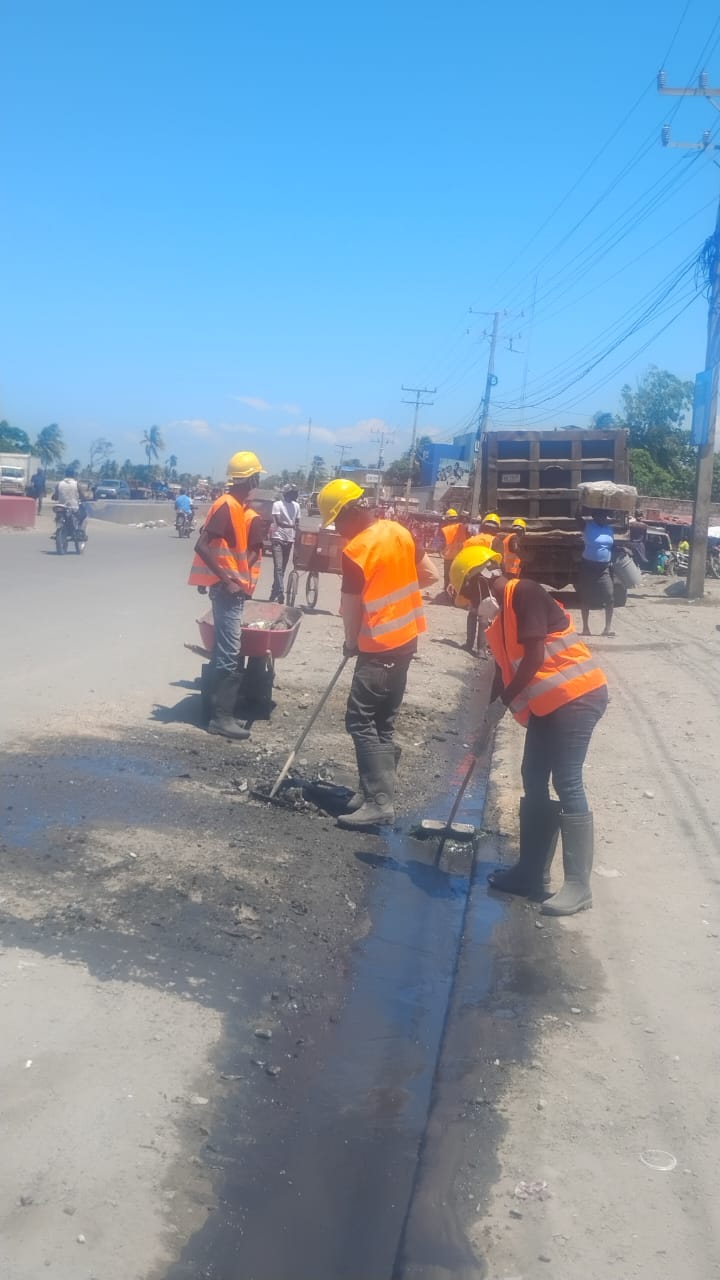
Konbit Okap has therefore become more than a cleanup project. It is a model of community-led restoration, local employment, civic responsibility, and diaspora-supported development.
DONATE TO KONBIT OKAP ON GOFUNDME →
Meet Parizien Deluc: A Leader Behind Konbit Okap
Parizien Deluc is a member of Konbit Okap’s five-person managing committee, helping lead and coordinate the initiative’s day-to-day operations on the ground in Cap-Haïtien. As one of the project’s visible representatives, he can often be seen speaking with local media about the team’s work, its progress, and its vision for the city.
Parizien is pursuing studies in Legal Sciences as well as Education Sciences, specializing in History and Geography. He also works as a Social Sciences teacher at the Institution Centre d’Espoir du Pays (ICEP). His background in law, education, history, and geography has helped shape his strong interest in civic responsibility and the future development of Haiti.
A young visionary, Parizien describes himself as warm, patient, courageous, optimistic, calm, committed to the rule of law, and, when necessary, rigorous. At the center of his work is a belief that Haiti can become prosperous, clean, beautiful, and attractive—not only to Haitians and the diaspora, but to people from around the world.
He dreams of a future in which Haiti becomes a place where people from other countries choose to visit, invest, build lives, and even settle because of the country's beauty, culture, opportunities, and quality of life. That vision is one of the reasons he has dedicated so much of his time and energy to the beautification and restoration of Cap-Haïtien.
For Parizien, Cap-Haïtien carries a particularly important historical responsibility. The region played a central role in the revolution that ultimately created the world's first independent Black republic. He believes the historic Cité Christophienne can once again become a starting point—this time for a new era of civic renewal, community responsibility, and national progress.
That belief is translated into physical work every day. Despite the challenges, Parizien continues working alongside the Konbit Okap team on the Cap-Haïtien coastline and boulevard, helping transform neglected public spaces into areas the community can once again take pride in.
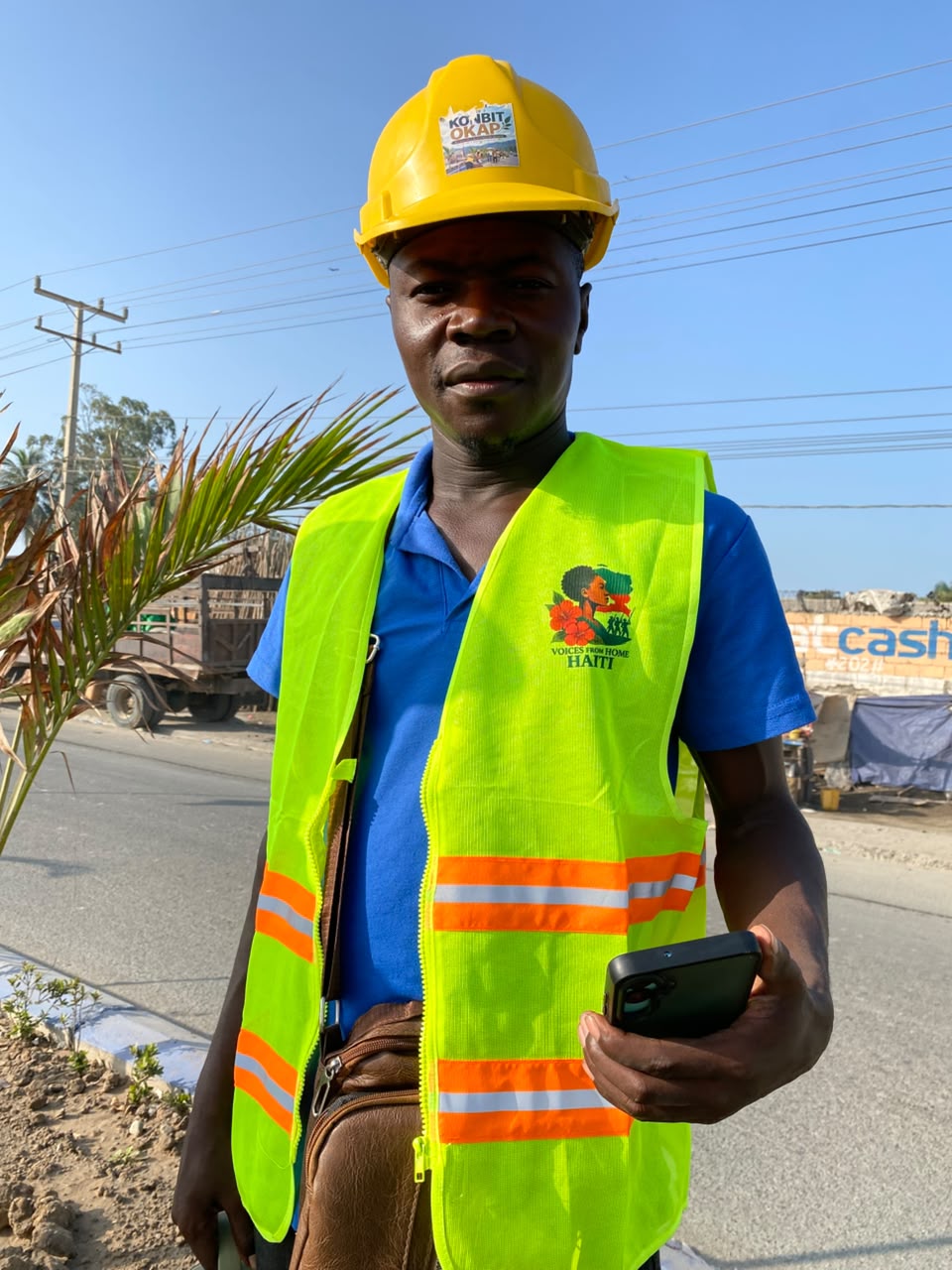
His ambition extends beyond creating a more attractive Cap-Haïtien. He wants the city to demonstrate what is possible when Haitians organize around a shared vision and take an active role in rebuilding their communities.
Parizien remains convinced that Haiti will one day rise again and through Konbit Okap, he is helping make that belief visible, one restored public space at a time.
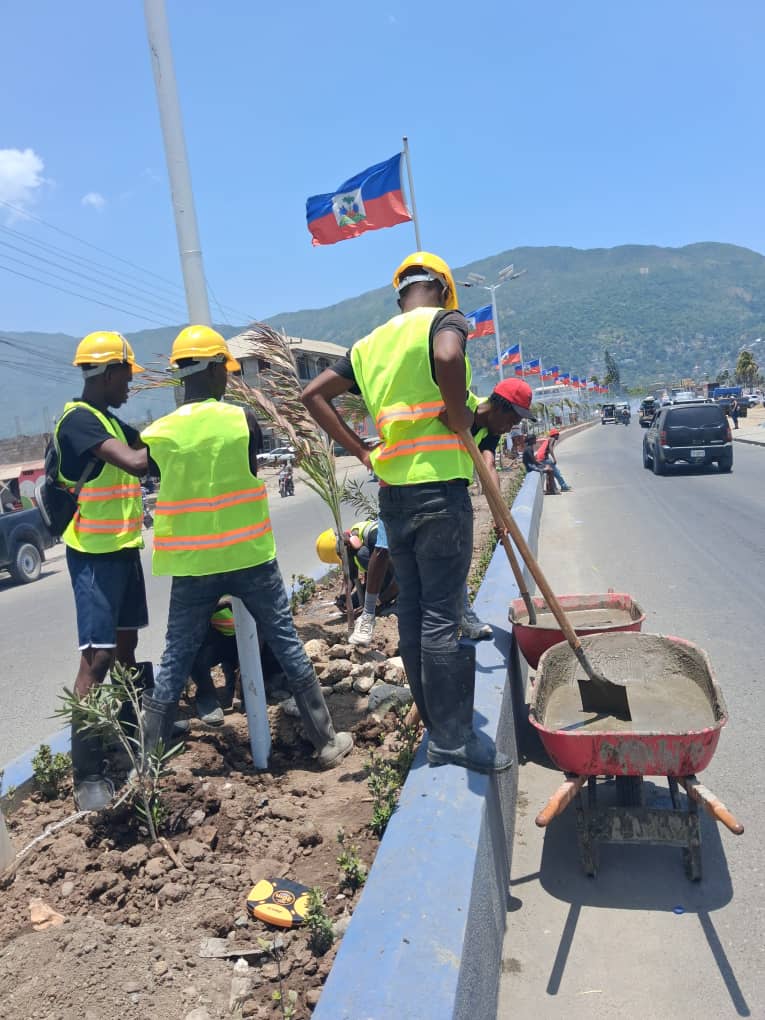
The goal is not simply to clean an area once and leave. The goal is to build a system where local people are empowered and compensated to continuously care for and improve their own community—with support from Haitians at home, Haitians abroad, local partners, and anyone who believes in the future of Cap-Haïtien.
Help Keep Konbit Okap Working
Your donation helps us pay local workers, maintain restored areas, plant flowers and trees, purchase essential materials, and continue transforming the Cap-Haïtien Boulevard one section at a time.
This is more than a donation to a beautification project. It is an investment in Haitian workers, Haitian communities, and the belief that we can rebuild our home together.
Whether you give $5, $25, $100, or more, every contribution helps keep the work moving.
Help us continue what we started. Support the 21-member Konbit Okap team today.
DONATE TO KONBIT OKAP ON GOFUNDME →