The Fight Must Not Stop: Stenor Walinx Fred & Konbit Okap
“Mwen vle pou litoral la tounen Yon referans nan vil la akoz de travay nap mennen an e Mwen pa regrèt Yon jou depi lè Mwen te bay têt Mwen pou travay sa.”
The Fight Must Not Stop: Stenor Walinx Fred and the Spirit of Konbit Okap
By Blandine Joyeux
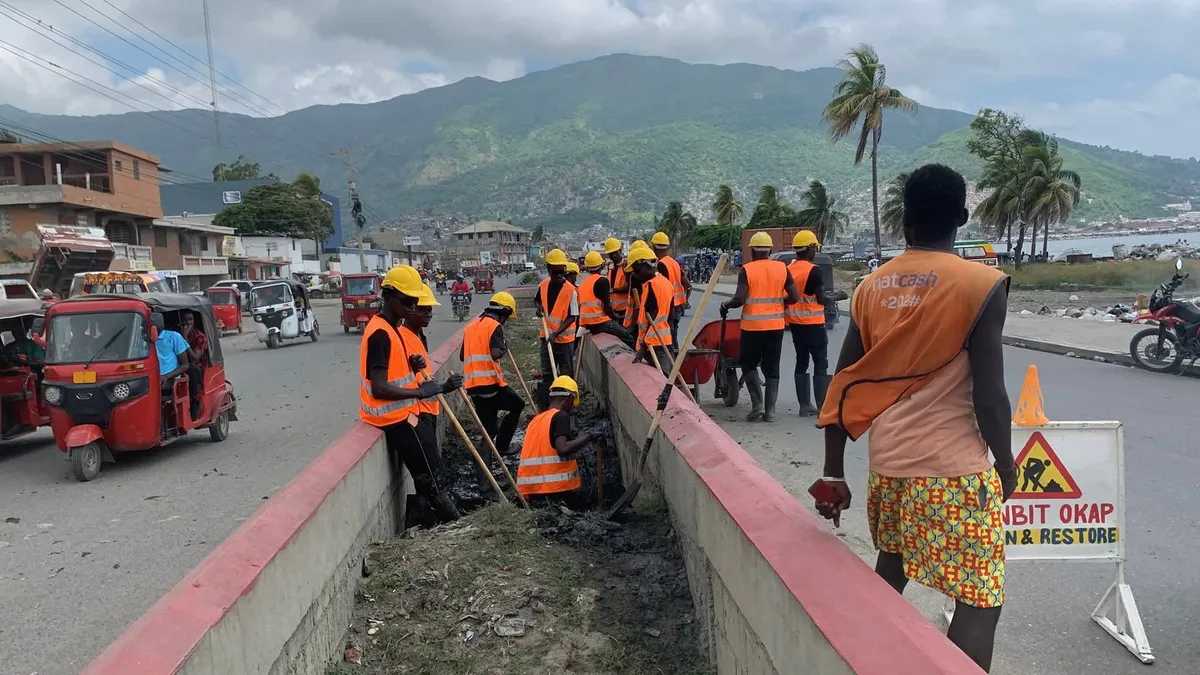
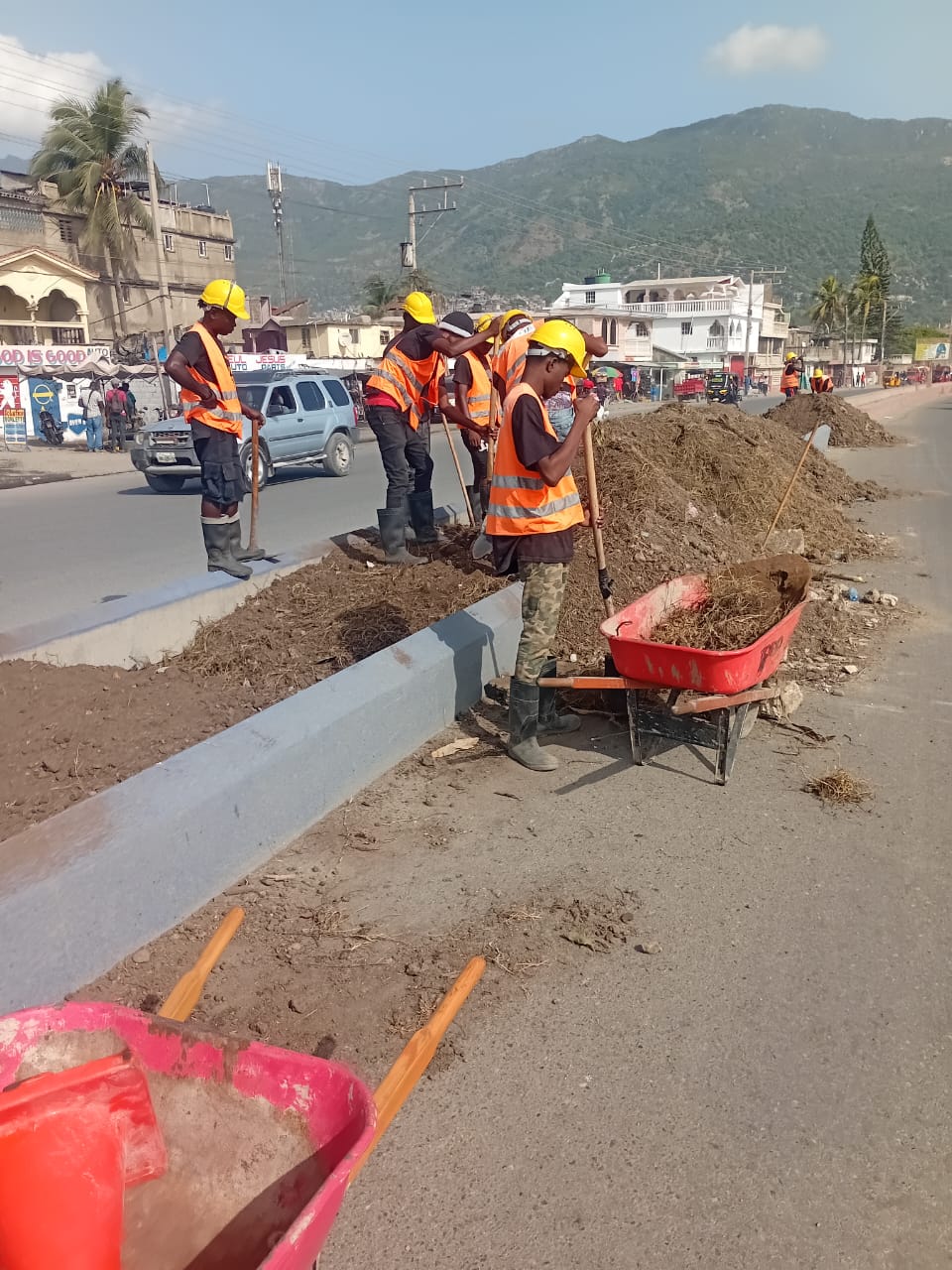
There are people behind every flower planted, every bag of trash removed, every tree placed in the ground and every section of the Okap Boulevard that begins to look alive again. Their names may not always appear in the videos that travel across social media, but their hands are helping transform the entrance to one of Haiti's most important cities.

Stenor Walinx Fred is one of those people.
An entrepreneur and member of the Konbit Okap team, Stenor describes himself as someone who believes deeply in respect, observation, wisdom and collaboration. He is not interested in being the loudest person in the room. He would rather watch, understand and work.

In his own words:
“Mwen se STENOR Walinx Fred.... Mwen se Yon Antreprenè. Mwen se Yon moun ki rèspèkte tout moun Piti kou Gran. Mwen pa renmen pale Mwen plis renmen obsève an plis Mwen kwè nan kolaborasyon mwen se Yon moun ki saj anpil.”
Those words capture something important about the people behind Konbit Okap. This work has never simply been about beautification. It is about ordinary Haitians deciding that neglect should not be accepted as the permanent condition of their communities.
Why Stenor Chose Konbit Okap
For Stenor, participating in the restoration of the boulevard is personal. He wants Cap-Haïtien to look different, and he is willing to sacrifice his own time and energy to help make that happen.
He explains:
“Mwen chwazi patisipe nan bèl travay sa just pou okap ka gen Yon lot Vizaj e si gen pou ale pi lwen toujou Mwen pwè poum sakrifye'm depi se pou ayiti.”
That statement deserves attention: “depi se pou Ayiti” — as long as it is for Haiti.
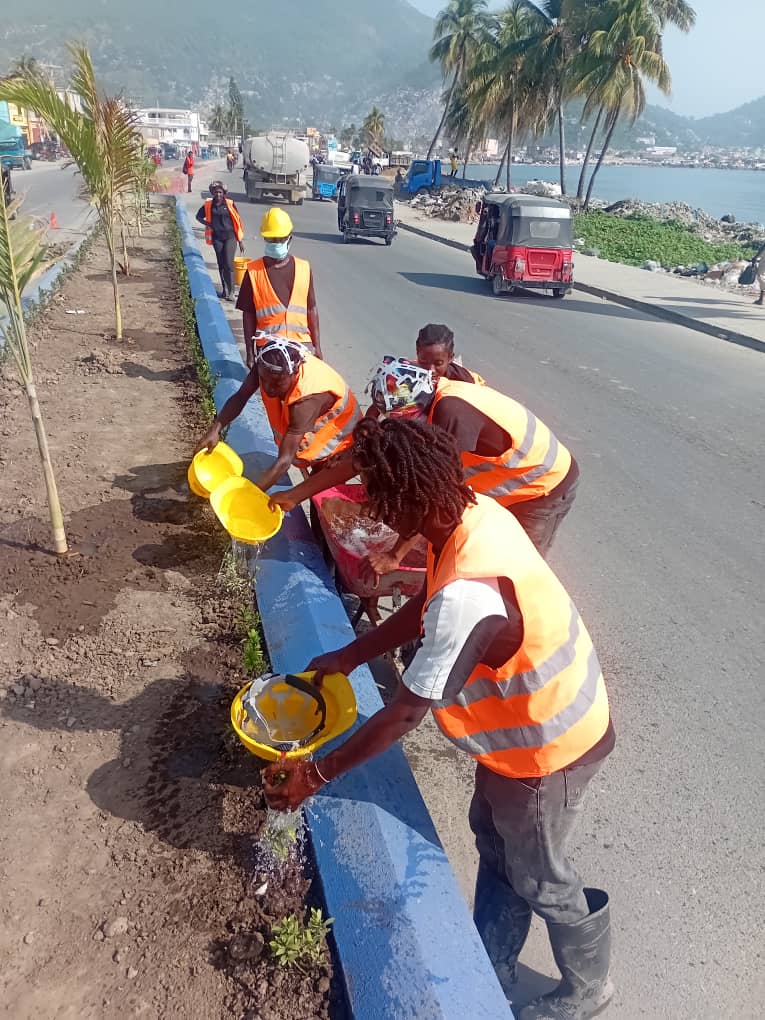
There is a form of patriotism that exists beyond speeches, flags and political promises. It is found in people who wake up and physically contribute to making their communities better. It is in the person picking up a shovel, removing garbage, planting a tree, watering flowers or returning to the boulevard the following morning because the work is still unfinished.
That is the spirit of konbit.
It is the understanding that transforming Haiti cannot always begin by waiting for someone else. Sometimes it begins when people decide to combine what they have—their labor, knowledge, resources, platforms and determination—and build together.
Making the Litoral a Reference for Cap-Haïtien
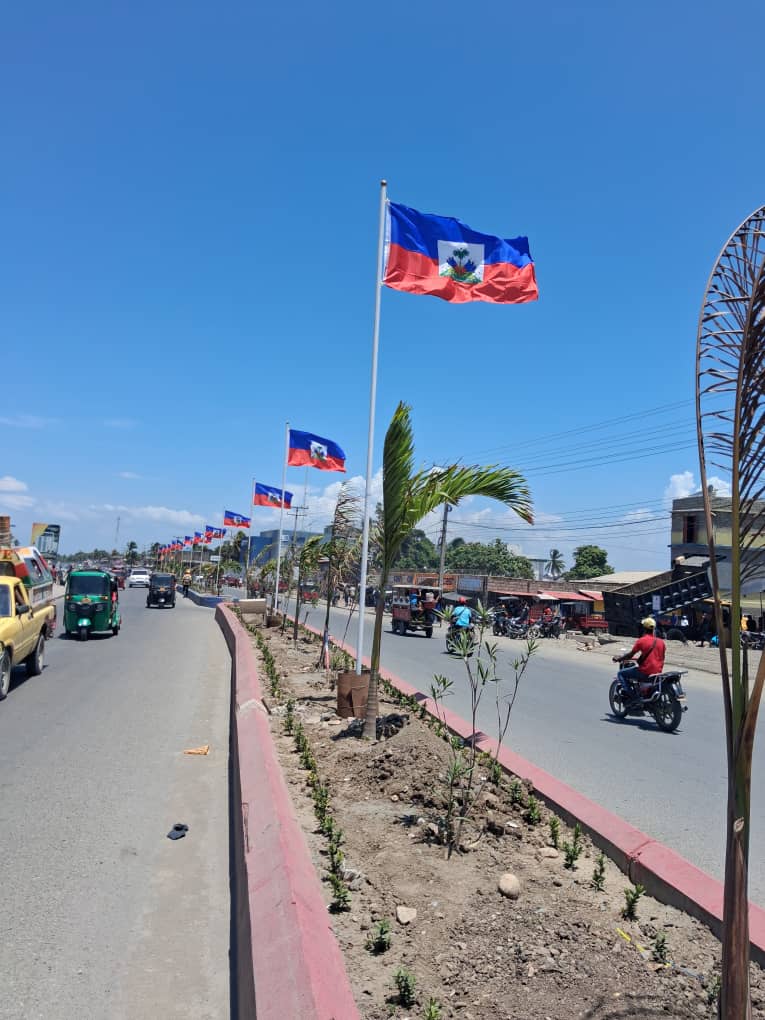
Stenor has an even larger vision for the work. He does not simply want the boulevard cleaned. He wants Cap-Haïtien's litoral to become something the city can proudly point to as a reference.
“Mwen vle pou litoral la tounen Yon referans nan vil la akoz de travay nap mennen an e Mwen pa regrèt Yon jou depi lè Mwen te bay têt Mwen pou travay sa.”
He says he has not regretted a single day since committing himself to this work.
That commitment matters because restoring a boulevard is not a one-day cleanup. Transformation requires consistency. Flowers must be maintained. Trees must be watered. Trash cannot simply be removed once. Infrastructure needs continued attention. The spaces being restored today must still be cared for months and years from now.
The goal should not simply be to make the boulevard beautiful enough for a photograph. The goal is to help create a culture where allowing it to return to its previous condition becomes unacceptable.
The People Behind the Transformation
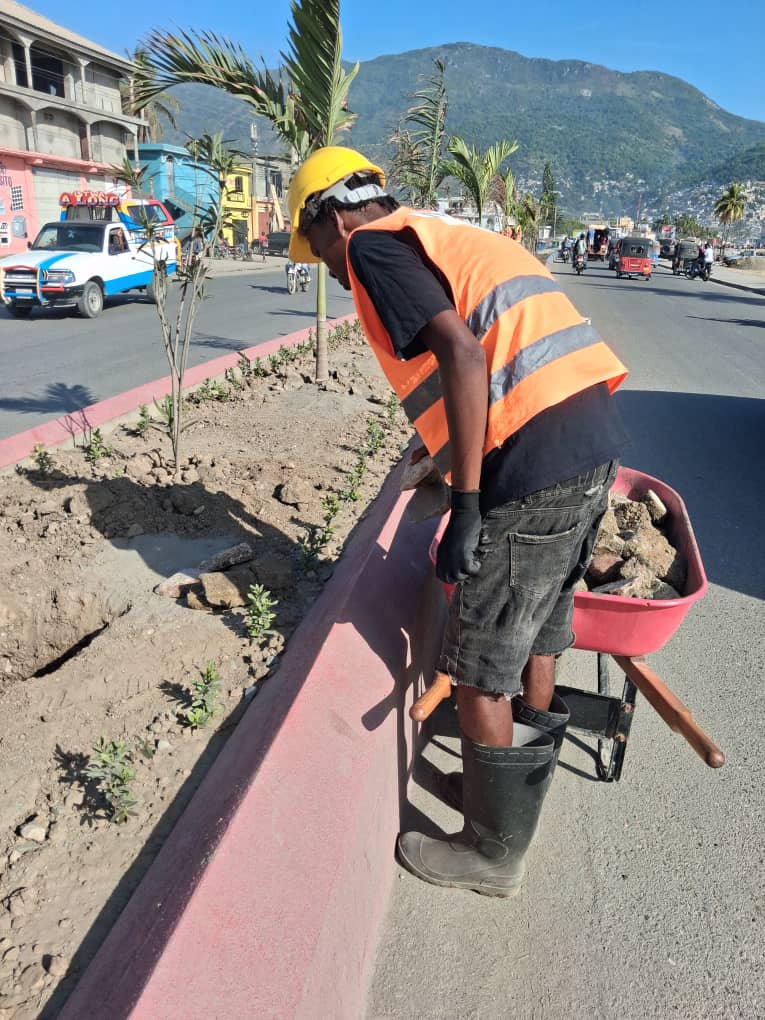
Social media has allowed thousands of people to watch the transformation of the Okap Boulevard, but behind every viral video are workers like Stenor.
They are the human infrastructure behind the physical infrastructure.
They dig. They plant. They clean. They haul. They water. They maintain. They show up.
And their work demonstrates why community development must include the community itself. Sustainable change cannot simply be imposed on people from above. The people who live in these communities need to have ownership in what is being built.
When local workers, residents, the Haitian diaspora, community organizations, private businesses and public institutions find ways to collaborate transparently, the possibilities become much greater.
Konbit Okap provides a small but powerful example of what that collaboration can look like.
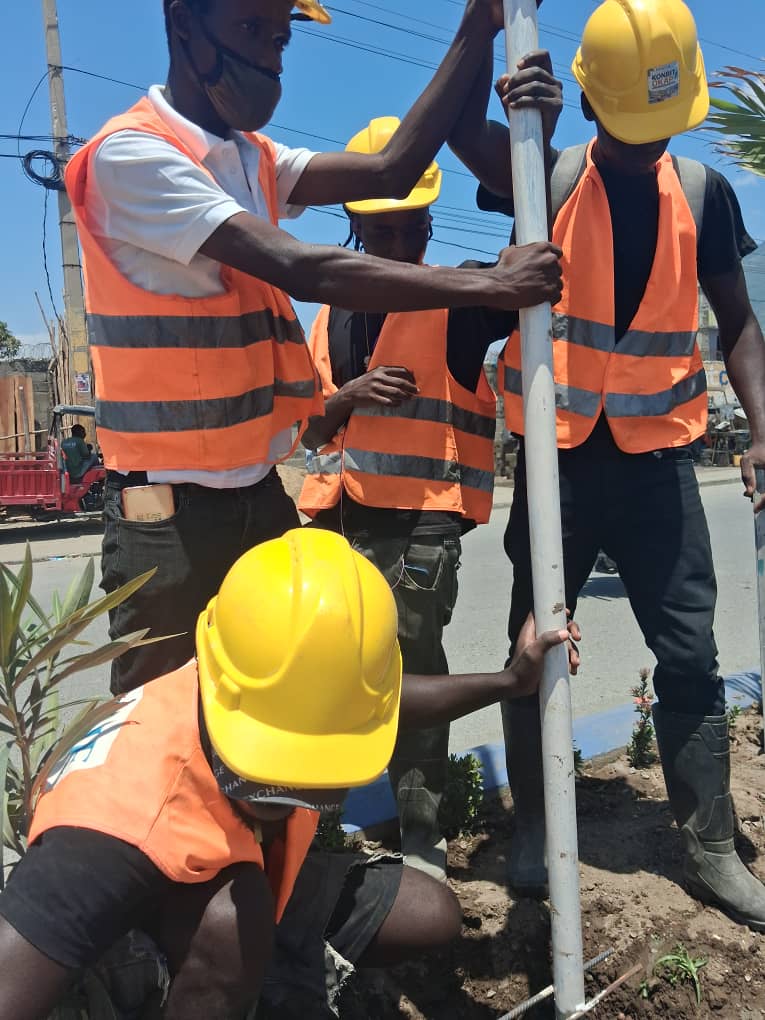
The Fight Must Not Stop
The restoration of the Okap Boulevard is far from finished, and that is precisely why this work cannot stop.
Every restored median represents progress, but it also creates a responsibility to protect that progress. Every flower planted represents hope but hope without maintenance eventually disappears. Every person who gives their time represents a belief that Cap-Haïtien—and Haiti—can look different from what years of neglect have taught people to accept.
The fight is therefore bigger than one boulevard.
It is a fight against normalization of neglect.
It is a fight to remind Haitians that improving our communities is possible when people are given a genuine opportunity to participate in the solution.
And it is a fight that must not stop when social media moves on to the next story.
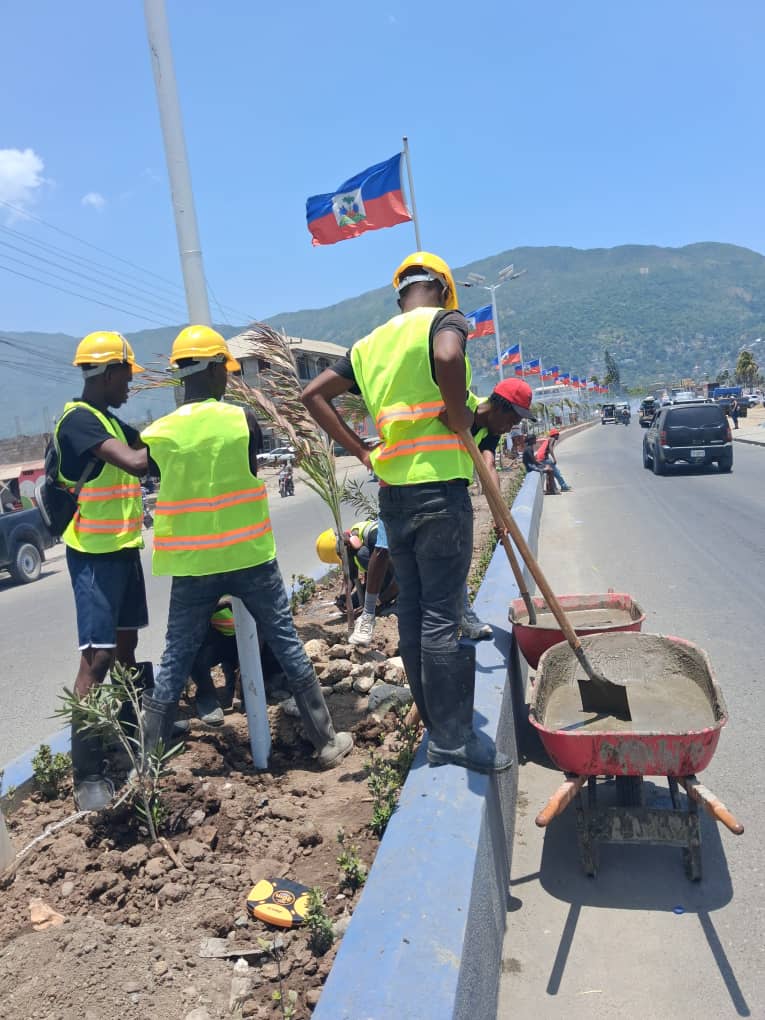
Stenor's words remind us that the greatest resource Haiti possesses has always been its people. There are Haitians willing to work, sacrifice and collaborate—not because someone has promised them recognition, but because they want to see their country become better.
The responsibility of those watching, particularly those of us in the diaspora, is to make sure people like Stenor do not have to carry that responsibility alone.
Konbit means we carry it together.
And as long as there are Haitians willing to stand up and say, “depi se pou Ayiti,” there is something worth fighting for.
The boulevard is not finished. The work is not finished. And neither is the fight for a better Haiti.